
Search
Limestone, as a common and widely distributed mineral resource, possesses immense utility value, particularly as a vital raw material in the concrete industry. Its primary constituent is calcium carbonate, formed through sedimentation in shallow marine
Limestone, as a common and widely distributed mineral resource, possesses immense utility value, particularly as a vital raw material in the concrete industry. Its primary constituent is calcium carbonate, formed through sedimentation in shallow marine environments. Consequently, limestone serves as an ideal source of aggregate for construction, roadworks, and similar applications. In recent years, with the continuous advancement of infrastructure development, demand for aggregate has remained consistently high, prompting numerous enterprises to invest in establishing limestone crushing production lines. So, how should one scientifically configure a limestone crushing production line with an hourly output of 300 tonnes? What would the associated costs be?
Further Information on Limestone Crushing Equipment
I. Configuration Plan for a 300-Ton-Per-Hour Limestone Crushing Production Line
The crushing of limestone requires the coordinated operation of multiple pieces of equipment, typically including crushing machinery, sand makers, feeders, screening machines, and conveyors. Below is a common configuration plan:
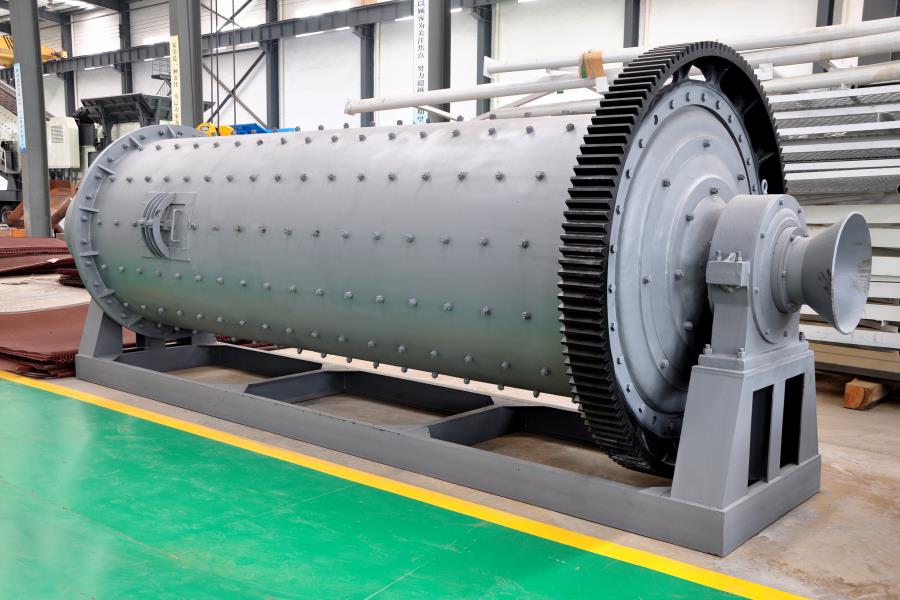
1. Fixed 300-tonne-per-hour limestone crushing production line
Material processed: Limestone
Production requirement: 300 tonnes/hour
Equipment configuration:
Raw material stockyard: Vibrating feeder
Primary crushing: Jaw crusher or heavy-duty hammer crusher
Secondary crushing: Impact crusher or impact crusher
Screening: Vibrating screen (2 units)
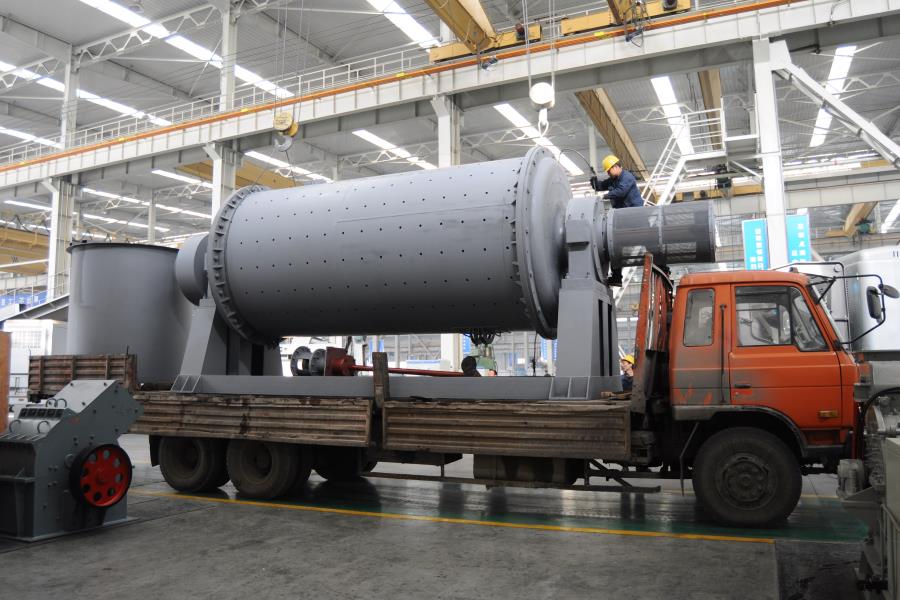
Multiple conveyors
Production flow: Limestone is conveyed from the raw material stockpile via the vibrating feeder into the primary crusher for initial breaking. The material then proceeds to the secondary crusher for further reduction. After screening by the vibrating screen, the finished product is classified by size. Material failing to meet specifications is returned to the crushing process until compliant. The final product is suitable for applications in construction, roadworks, and other sectors.
2. Mobile 300 Tonnes Per Hour Limestone Aggregate Production Line
Processed Material: Limestone
Production Requirement: 300 tonnes/hour
Equipment Configuration:
Heavy-duty hammer crusher + vibrating screen crushing station
Production Advantages:
The mobile production line offers high flexibility and convenient relocation, making it particularly suitable for projects requiring frequent changes of production site. This configuration can directly enter construction sites for crushing operations without requiring complex infrastructure, saving significant time and costs.
II. Pricing for 300 TPH Limestone Crushing Production Lines
Prices for fixed and mobile production lines vary based on specific configurations. Generally, fixed lines range from several hundred thousand to over a million pounds, while mobile lines may be higher depending on equipment combinations. Final pricing also depends on factors such as the manufacturer, equipment type, and model specifications.
In recent years, robust domestic infrastructure demand has fuelled sustained growth in the sand and gravel aggregate market, making stone crushing production lines a critical component of aggregate supply. Faced with fluctuating aggregate prices, optimally configuring production lines not only ensures efficient output but also maximises cost reduction. Therefore, enterprises should select the most suitable configuration based on their actual operational requirements.
Whether fixed or mobile, the 300-tonne-per-hour limestone crushing production line holds exceptional market value. Rational equipment configuration and scientifically designed production processes not only guarantee finished material quality but also significantly enhance a company's market competitiveness. Against the backdrop of robust aggregate demand, investing in an efficient limestone crushing production line undoubtedly represents a crucial strategic move for enterprises seeking to capture market share.

Previous: SMP Crusher
Next: SMP Crusher
Limestone, as a common and widely distributed mineral resource, possesses immense utility value, particularly as a vital raw material in the concrete industry. Its primary constituent is calcium carbonate, formed through sedimentation in shallow marine
Limestone, as a common and widely distributed mineral resource, possesses immense utility value, particularly as a vital raw material in the concrete industry. Its primary constituent is calcium carbonate, formed through sedimentation in shallow marine environments. Consequently, limestone serves as an ideal source of aggregate for construction, roadworks, and similar applications. In recent years, with the continuous advancement of infrastructure development, demand for aggregate has remained consistently high, prompting numerous enterprises to invest in establishing limestone crushing production lines. So, how should one scientifically configure a limestone crushing production line with an hourly output of 300 tonnes? What would the associated costs be?
Further Information on Limestone Crushing Equipment
I. Configuration Plan for a 300-Ton-Per-Hour Limestone Crushing Production Line
The crushing of limestone requires the coordinated operation of multiple pieces of equipment, typically including crushing machinery, sand makers, feeders, screening machines, and conveyors. Below is a common configuration plan:
1. Fixed 300-tonne-per-hour limestone crushing production line
Material processed: Limestone
Production requirement: 300 tonnes/hour
Equipment configuration:
Raw material stockyard: Vibrating feeder
Primary crushing: Jaw crusher or heavy-duty hammer crusher
Secondary crushing: Impact crusher or impact crusher
Screening: Vibrating screen (2 units)
Multiple conveyors
Production flow: Limestone is conveyed from the raw material stockpile via the vibrating feeder into the primary crusher for initial breaking. The material then proceeds to the secondary crusher for further reduction. After screening by the vibrating screen, the finished product is classified by size. Material failing to meet specifications is returned to the crushing process until compliant. The final product is suitable for applications in construction, roadworks, and other sectors.
2. Mobile 300 Tonnes Per Hour Limestone Aggregate Production Line
Processed Material: Limestone
Production Requirement: 300 tonnes/hour
Equipment Configuration:
Heavy-duty hammer crusher + vibrating screen crushing station
Production Advantages:
The mobile production line offers high flexibility and convenient relocation, making it particularly suitable for projects requiring frequent changes of production site. This configuration can directly enter construction sites for crushing operations without requiring complex infrastructure, saving significant time and costs.
II. Pricing for 300 TPH Limestone Crushing Production Lines
Prices for fixed and mobile production lines vary based on specific configurations. Generally, fixed lines range from several hundred thousand to over a million pounds, while mobile lines may be higher depending on equipment combinations. Final pricing also depends on factors such as the manufacturer, equipment type, and model specifications.
In recent years, robust domestic infrastructure demand has fuelled sustained growth in the sand and gravel aggregate market, making stone crushing production lines a critical component of aggregate supply. Faced with fluctuating aggregate prices, optimally configuring production lines not only ensures efficient output but also maximises cost reduction. Therefore, enterprises should select the most suitable configuration based on their actual operational requirements.
Whether fixed or mobile, the 300-tonne-per-hour limestone crushing production line holds exceptional market value. Rational equipment configuration and scientifically designed production processes not only guarantee finished material quality but also significantly enhance a company's market competitiveness. Against the backdrop of robust aggregate demand, investing in an efficient limestone crushing production line undoubtedly represents a crucial strategic move for enterprises seeking to capture market share.
Previous: SMP Crusher
Next: SMP Crusher
 How to increase the production capacity of cone crushers in quarry crushing plants
 Daily Maintenance and Care for a 300-Ton-Per-Hour Sand-Making Machine
 How to Select Sand-Making Equipment for Large-Scale Mechanically Processed Sand and Gravel Production Lines
 How to Select Sand-Making Equipment for Large-Scale Mechanically Processed Sand and Gravel Production Lines
 What are the advantages and disadvantages of processing pebbles into manufactured sand?How to increase the production capacity of cone crushers in quarry crushing plantsDaily Maintenance and Care for a 300-Ton-Per-Hour Sand-Making MachineHow to Select Sand-Making Equipment for Large-Scale Mechanically Processed Sand and Gravel Production LinesHow to Select Sand-Making Equipment for Large-Scale Mechanically Processed Sand and Gravel Production LinesWhat are the advantages and disadvantages of processing pebbles into manufactured sand?