
Search
In road and transportation construction, the selection of a high-performance and reliable stone material is crucial. Basalt, a highly valued, high-quality stone material used in the construction of highways, railways, and airport runways, has become a key material.
In the field of road and transportation construction, the selection of high-performance and reliable stone material is crucial. Basalt, a highly valued high-quality stone material used in the construction of highways, railways, and airport runways, has become a cornerstone of modern transportation development due to its superior physical properties.
More examples of basalt crushing line applications
Basalt has gained widespread international recognition for its unique wear resistance, low water absorption, low electrical conductivity, high compressive strength, low crushing value, high corrosion resistance, and excellent adhesion to asphalt. These characteristics provide basalt with exceptional resistance to heavy traffic and harsh conditions, making it an ideal material for infrastructure construction such as roads and railways.
Given the importance of basalt, many investors involved in road and railway construction carefully select production lines before starting work. Among them, the 500 tons per hour basalt production line has attracted widespread attention due to its high efficiency and stable operation.
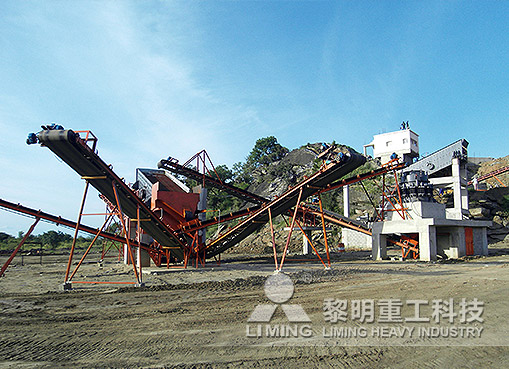
This production line mainly consists of advanced equipment such as a vibrating feeder, jaw crusher, impact crusher, vibrating screen, belt conveyor, and centralized electrical control system. During the production process, the vibrating feeder evenly feeds the basalt material into the jaw crusher for primary crushing. The pre-crushed material then goes to a vibrating screen for sieving, where particles meeting the technical requirements are separated. Material that does not meet the requirements is then fed into an impact crusher for secondary crushing until the required standard is achieved. The entire production process is a closed-loop system, ensuring high efficiency and stability.
Choosing a suitable basalt production line can not only improve project quality but also reduce production costs and increase return on investment. Therefore, choosing basalt as a road surface material in road and transport construction is undoubtedly a wise decision.

Previous: SMP Crusher
Next: SMP Crusher
In road and transportation construction, the selection of a high-performance and reliable stone material is crucial. Basalt, a highly valued, high-quality stone material used in the construction of highways, railways, and airport runways, has become a key material.
In the field of road and transportation construction, the selection of high-performance and reliable stone material is crucial. Basalt, a highly valued high-quality stone material used in the construction of highways, railways, and airport runways, has become a cornerstone of modern transportation development due to its superior physical properties.
More examples of basalt crushing line applications
Basalt has gained widespread international recognition for its unique wear resistance, low water absorption, low electrical conductivity, high compressive strength, low crushing value, high corrosion resistance, and excellent adhesion to asphalt. These characteristics provide basalt with exceptional resistance to heavy traffic and harsh conditions, making it an ideal material for infrastructure construction such as roads and railways.
Given the importance of basalt, many investors involved in road and railway construction carefully select production lines before starting work. Among them, the 500 tons per hour basalt production line has attracted widespread attention due to its high efficiency and stable operation.
This production line mainly consists of advanced equipment such as a vibrating feeder, jaw crusher, impact crusher, vibrating screen, belt conveyor, and centralized electrical control system. During the production process, the vibrating feeder evenly feeds the basalt material into the jaw crusher for primary crushing. The pre-crushed material then goes to a vibrating screen for sieving, where particles meeting the technical requirements are separated. Material that does not meet the requirements is then fed into an impact crusher for secondary crushing until the required standard is achieved. The entire production process is a closed-loop system, ensuring high efficiency and stability.
Choosing a suitable basalt production line can not only improve project quality but also reduce production costs and increase return on investment. Therefore, choosing basalt as a road surface material in road and transport construction is undoubtedly a wise decision.
Previous: SMP Crusher
Next: SMP Crusher
 Secrets to increasing production efficiency at small sand production plants: explaining five practical techniques.
 What models of single-cylinder hydraulic cone crushers are available for crushing granite? What are the discharge opening sizes for each model?
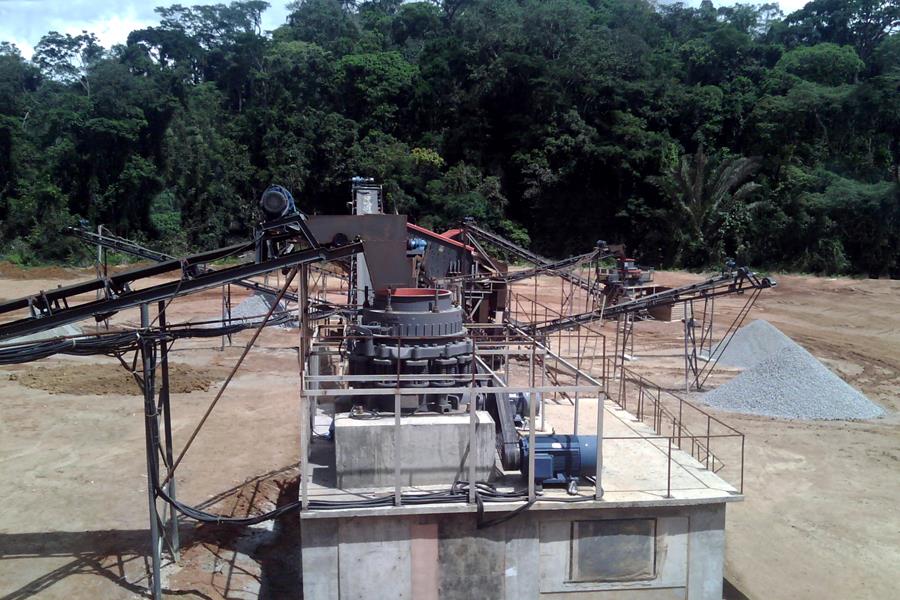 A production line for high-quality basalt sand and gravel with a capacity of 3.4 million tons per year in Zhejiang Province.
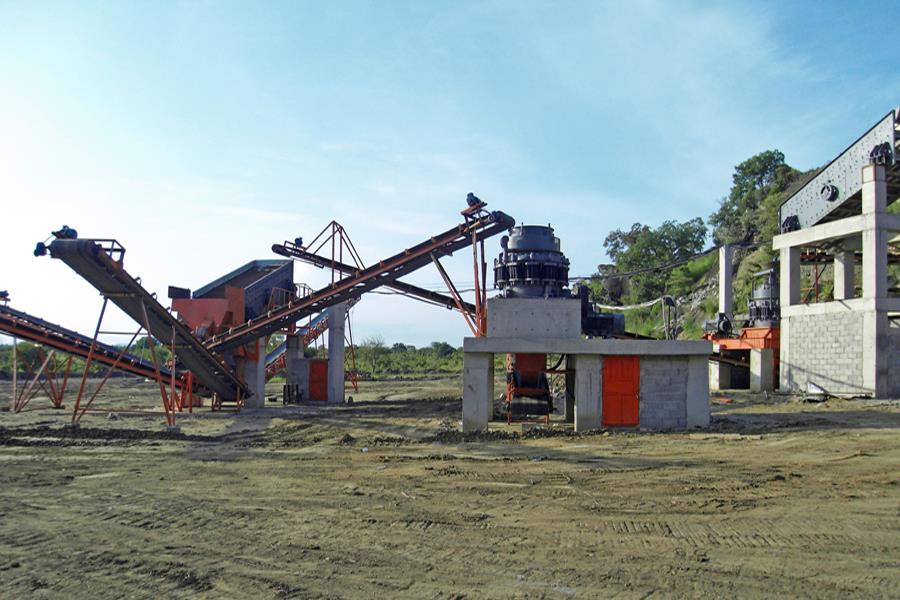 What equipment is needed for a stone production line?
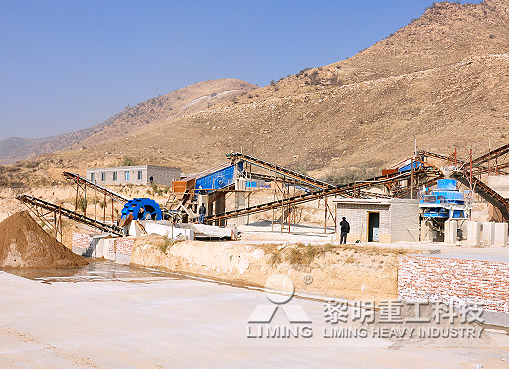 Layout diagram of a crushed stone production line with a capacity of 800 tons per hour.Secrets to increasing production efficiency at small sand production plants: explaining five practical techniques.What models of single-cylinder hydraulic cone crushers are available for crushing granite? What are the discharge opening sizes for each model?A production line for high-quality basalt sand and gravel with a capacity of 3.4 million tons per year in Zhejiang Province.What equipment is needed for a stone production line?Layout diagram of a crushed stone production line with a capacity of 800 tons per hour.