
Search
Wear parts are the biggest recurring cost in aggregate crushing plants. Many quarries only replace liners after they are completely worn through, which often triggers sudden shutdown, cavity damage and uneven product size. A standardized wear part mana
Wear parts are the biggest recurring cost in aggregate crushing plants. Many quarries only replace liners after they are completely worn through, which often triggers sudden shutdown, cavity damage and uneven product size. A standardized wear part management plan solves this issue.
First, record hourly wear rate for each crusher according to raw rock hardness: basalt has much faster liner consumption than limestone. Establish regular thickness measurement checklists for jaw plates, cone mantle and bowl liner, VSI rotor tips. Keep safety stock of critical spare parts on site. Schedule liner replacement during planned maintenance windows instead of emergency breakdown.
When replacing liners, align and tighten according to manufacturer torque requirement. Poor installation accelerates abnormal wear. Track tonnage processed by each set of wear parts to compare supplier quality, helping buyers select better alloy materials and optimize consumption cost per ton of aggregate.
Keywords: crusher wear parts management, aggregate plant liner maintenance, jaw cone VSI spare part plan, quarry downtime reduction

Previous: SMP Crusher
Next: SMP Crusher
Wear parts are the biggest recurring cost in aggregate crushing plants. Many quarries only replace liners after they are completely worn through, which often triggers sudden shutdown, cavity damage and uneven product size. A standardized wear part mana
Wear parts are the biggest recurring cost in aggregate crushing plants. Many quarries only replace liners after they are completely worn through, which often triggers sudden shutdown, cavity damage and uneven product size. A standardized wear part management plan solves this issue.
First, record hourly wear rate for each crusher according to raw rock hardness: basalt has much faster liner consumption than limestone. Establish regular thickness measurement checklists for jaw plates, cone mantle and bowl liner, VSI rotor tips. Keep safety stock of critical spare parts on site. Schedule liner replacement during planned maintenance windows instead of emergency breakdown.
When replacing liners, align and tighten according to manufacturer torque requirement. Poor installation accelerates abnormal wear. Track tonnage processed by each set of wear parts to compare supplier quality, helping buyers select better alloy materials and optimize consumption cost per ton of aggregate.
Keywords: crusher wear parts management, aggregate plant liner maintenance, jaw cone VSI spare part plan, quarry downtime reduction
Previous: SMP Crusher
Next: SMP Crusher
 Vibrating Screen Selection & Troubleshooting for Aggregate and Ore Crushing Circuits
 Energy Saving Retrofit Solutions for Existing Crushing Plants: Reduce Power Consumption Per Ton
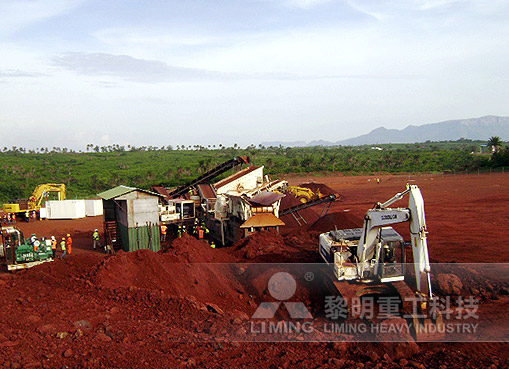 Granite Quarry in Kazakhstan: How a 300 TPH NK Mobile Crusher Cut Haulage Costs by 40%
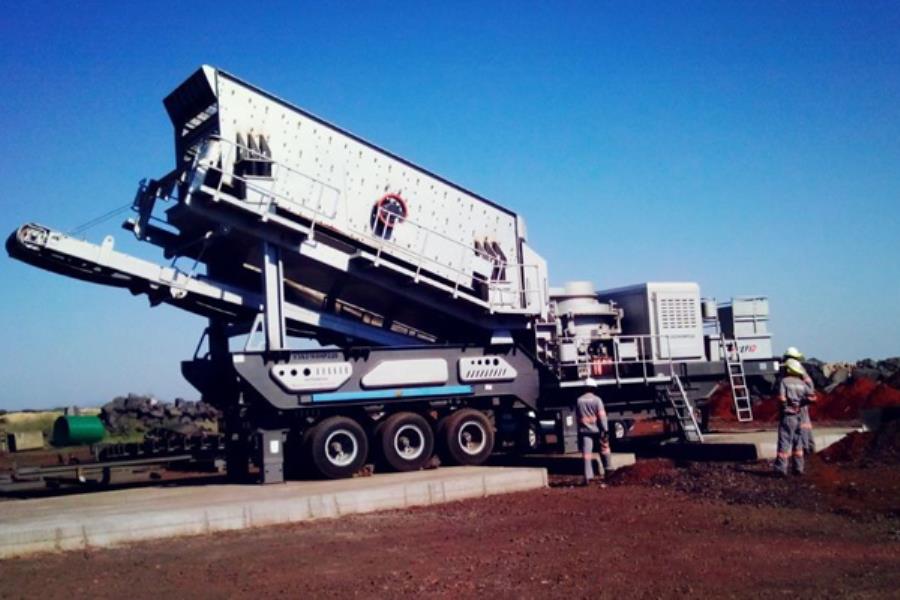 Iron Ore Dressing in West Africa: An EPC Beneficiation Line That Raised TFe from 42% to 64%
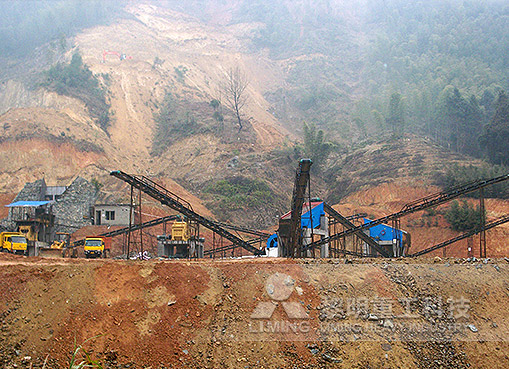 Basalt Sand for a Bridge Project in Vietnam: VSI6X Shaping That Passed the Flakiness TestVibrating Screen Selection & Troubleshooting for Aggregate and Ore Crushing CircuitsEnergy Saving Retrofit Solutions for Existing Crushing Plants: Reduce Power Consumption Per TonGranite Quarry in Kazakhstan: How a 300 TPH NK Mobile Crusher Cut Haulage Costs by 40%Iron Ore Dressing in West Africa: An EPC Beneficiation Line That Raised TFe from 42% to 64%Basalt Sand for a Bridge Project in Vietnam: VSI6X Shaping That Passed the Flakiness Test
