
Search
In numerous industries, such as metallurgy, mining, construction materials production, chemical industry, and ceramics, material crushing is a crucial process. Due to the variety of material properties, choosing the right crusher is essential. The crushing process involves...
In numerous industries such as metallurgy, mining, building materials production, chemical industry, and ceramics, material crushing is a crucial process. Due to the diverse properties of materials, choosing the right crusher is critical. The crushing process is usually divided into coarse, medium, and fine crushing, each with a wide range of corresponding crushing equipment. This article will discuss a scientific approach to crusher selection.
Learn more about crushing and sand-making equipment
Types and characteristics of crushers
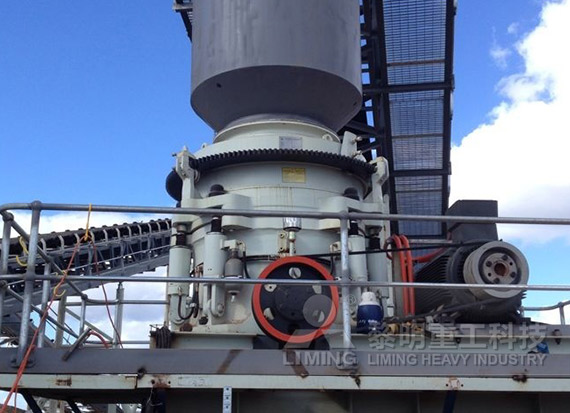
In everyday production, jaw crushers, cone crushers, impact crushers (also known as sand-making machines), rotary crushers, and hammer crushers are commonly used. The correct choice of crusher not only effectively reduces crushing time and material loss but also reduces equipment wear.
Five main forms of mechanical crushing
Compression crushing: Materials are crushed under slowly increasing pressure between two working surfaces.
Splitting crushing: The ore is crushed by compression with sharp edges, splitting along the direction of the pressure line.
Bending crushing: Large pieces of ore are broken into smaller pieces under the action of bending stress.
Attrition crushing: The ore moves relative to the moving working surface and is crushed under the action of pressure and shear forces.
Impact crushing: Materials are effectively crushed by strong impact, providing a high crushing ratio and low energy consumption.
Factors to consider when choosing a crusher
Material type and hardness: Mohs hardness is a key indicator of material hardness; the higher the hardness, the more difficult the crushing.
Material moisture content: Excessive moisture can cause material clumping, affecting crushing efficiency and discharge rate.
Ore cleavability: Ores with well-developed cleavability are easily crushed, and the crusher's productivity is correspondingly higher.
Input and output particle size: The input and output particle size determines the required crusher model and crushing level.
Construction site: The site area and equipment placement also affect the choice of crusher.
Production requirements: Production requirements determine the technical characteristics of the crushing equipment, which in turn affects investment and productivity.
Thus, a scientific approach to choosing a crusher requires comprehensive consideration of material properties, crushing requirements, construction site location, and production needs. Only the correct selection of equipment can ensure efficient, safe, and environmentally friendly production.

Previous: SMP Crusher
Next: SMP Crusher
In numerous industries, such as metallurgy, mining, construction materials production, chemical industry, and ceramics, material crushing is a crucial process. Due to the variety of material properties, choosing the right crusher is essential. The crushing process involves...
In numerous industries such as metallurgy, mining, building materials production, chemical industry, and ceramics, material crushing is a crucial process. Due to the diverse properties of materials, choosing the right crusher is critical. The crushing process is usually divided into coarse, medium, and fine crushing, each with a wide range of corresponding crushing equipment. This article will discuss a scientific approach to crusher selection.
Learn more about crushing and sand-making equipment
Types and characteristics of crushers
In everyday production, jaw crushers, cone crushers, impact crushers (also known as sand-making machines), rotary crushers, and hammer crushers are commonly used. The correct choice of crusher not only effectively reduces crushing time and material loss but also reduces equipment wear.
Five main forms of mechanical crushing
Compression crushing: Materials are crushed under slowly increasing pressure between two working surfaces.
Splitting crushing: The ore is crushed by compression with sharp edges, splitting along the direction of the pressure line.
Bending crushing: Large pieces of ore are broken into smaller pieces under the action of bending stress.
Attrition crushing: The ore moves relative to the moving working surface and is crushed under the action of pressure and shear forces.
Impact crushing: Materials are effectively crushed by strong impact, providing a high crushing ratio and low energy consumption.
Factors to consider when choosing a crusher
Material type and hardness: Mohs hardness is a key indicator of material hardness; the higher the hardness, the more difficult the crushing.
Material moisture content: Excessive moisture can cause material clumping, affecting crushing efficiency and discharge rate.
Ore cleavability: Ores with well-developed cleavability are easily crushed, and the crusher's productivity is correspondingly higher.
Input and output particle size: The input and output particle size determines the required crusher model and crushing level.
Construction site: The site area and equipment placement also affect the choice of crusher.
Production requirements: Production requirements determine the technical characteristics of the crushing equipment, which in turn affects investment and productivity.
Thus, a scientific approach to choosing a crusher requires comprehensive consideration of material properties, crushing requirements, construction site location, and production needs. Only the correct selection of equipment can ensure efficient, safe, and environmentally friendly production.
Previous: SMP Crusher
Next: SMP Crusher
 How to configure a stone crushing line with a capacity of 300-400 tons per hour, and what is the approximate cost of such a line?
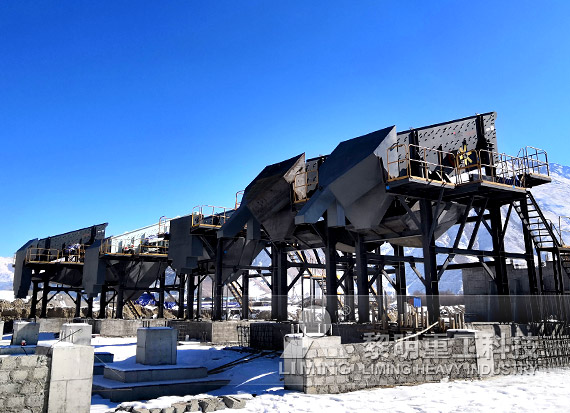 How to configure a stone crushing line with a capacity of 300-400 tons per hour, and what is the approximate cost of such a line?
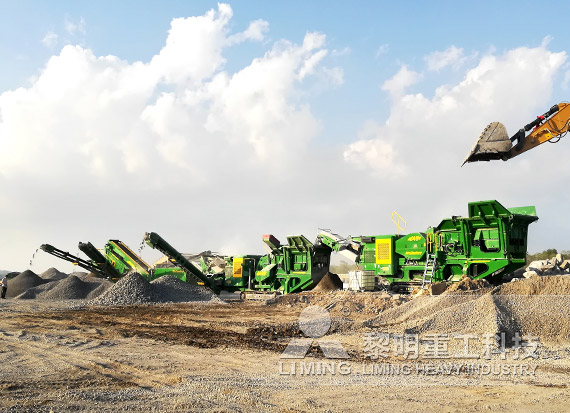 Why did China Power Construction Guangdong choose Shibang as a partner for its 30 million tons per year sand and gravel production project?
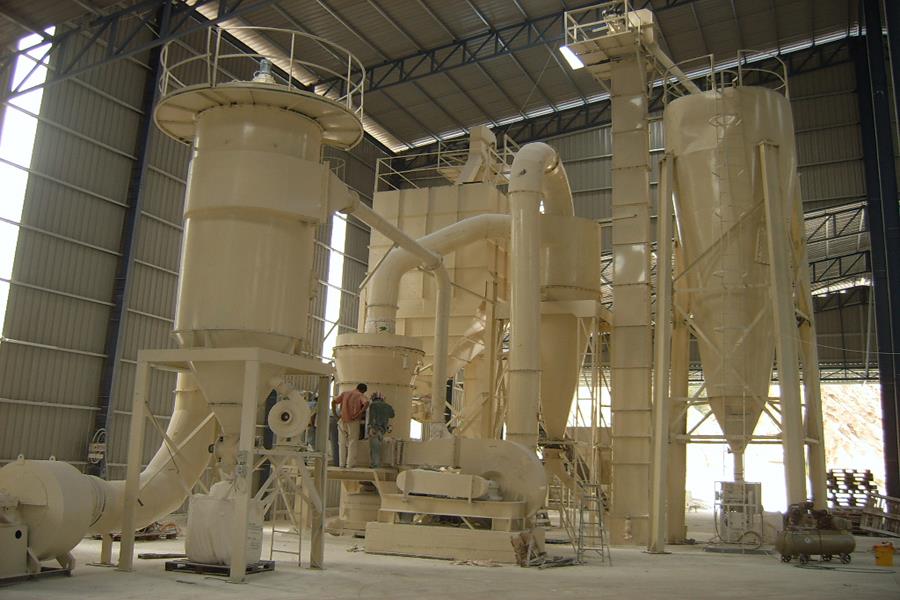 What equipment is needed for a limestone crushing plant with a production capacity of 500 tons per hour?
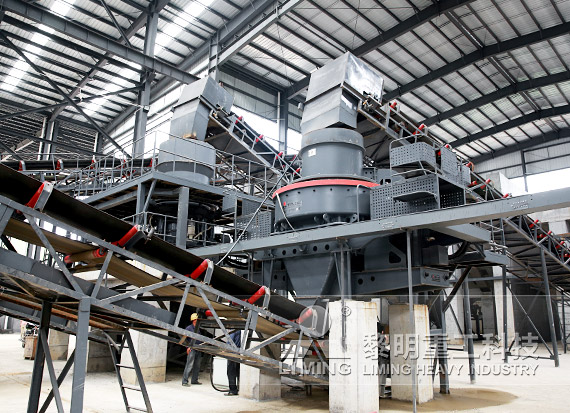 Layout plan for a sand production line using river pebbles.How to configure a stone crushing line with a capacity of 300-400 tons per hour, and what is the approximate cost of such a line?How to configure a stone crushing line with a capacity of 300-400 tons per hour, and what is the approximate cost of such a line?Why did China Power Construction Guangdong choose Shibang as a partner for its 30 million tons per year sand and gravel production project?What equipment is needed for a limestone crushing plant with a production capacity of 500 tons per hour?Layout plan for a sand production line using river pebbles.