
Search
**Keywords**: fine flake graphite spodumene ore Brazil, closed circuit cone crushing lithium graphite, overgrinding graphite prevention, pegmatite mineral liberationA lithium-graphite project in Minas Gerais, Brazil, hosts a unique pegmatite whe
**Keywords**: fine flake graphite spodumene ore Brazil, closed circuit cone crushing lithium graphite, overgrinding graphite prevention, pegmatite mineral liberation
A lithium-graphite project in Minas Gerais, Brazil, hosts a unique pegmatite where spodumene is tightly interlocked with fine flake graphite, mostly -100 mesh. Unlike coarse flake graphite, fine graphite is less sensitive to size reduction, but excessive over-grinding creates colloidal graphite slime that reports to tailings and cannot be recovered by conventional flotation. The project’s original testwork used an impact crusher in the secondary stage, and high-velocity impact shattered the intergrowths into ultra-fine slime. Lithium recovery was stuck below 68%, and graphite recovery hovered around 55%. The project investor hesitated to approve full plant construction because the metallurgical baseline was too poor.

We redesigned the comminution circuit around compression crushing only, eliminating impact reduction entirely. The flowsheet uses C6X jaw primary crushing, followed by two stages of HST hydraulic cone crushers arranged in closed circuit with high-frequency vibrating screens. We selected a fine cone cavity profile with tight closed side setting control, and set up automatic CSS adjustment based on screen return tonnage. The key design rule: only liberate intergrowths, do not pulverise the mineral grains. After each crushing stage, screen undersize at P80 1.4 mm is sent to the grinding circuit, while locked intergrowth oversize is returned back to the cone for re-crushing. We also installed a high-gradient magnetic separator after crushing to remove iron-bearing amphibole impurities that would otherwise interfere with flotation selectivity.
Pilot plant runs confirmed the compression crushing route delivered far better liberation without runaway slime generation. When the full-scale plant was commissioned, lithium recovery rose to 79.2%, and fine flake graphite recovery reached 76.4%. The slime fraction below 20 micron was reduced by 27% compared with the impact crusher test flowsheet. The automatic hydraulic CSS system compensated for liner wear automatically, so the plant feed size distribution stayed consistent month after month. Maintenance teams also appreciated the cone design: liner change-out can be completed without removing the main frame, cutting downtime for wear part replacement by nearly half versus the impact crusher they previously tested.
This site demonstrated that intergrowth texture dictates crushing equipment selection. Coarse flake graphite needs gentle handling, fine flake graphite still needs controlled comminution — uncontrolled impact is almost always damaging for spodumene-graphite pegmatites. The owner has now added a second parallel crushing line to lift plant capacity from 180 tph to 360 tph.
Previous: SMP Crusher
Next: SMP Crusher
**Keywords**: fine flake graphite spodumene ore Brazil, closed circuit cone crushing lithium graphite, overgrinding graphite prevention, pegmatite mineral liberationA lithium-graphite project in Minas Gerais, Brazil, hosts a unique pegmatite whe
**Keywords**: fine flake graphite spodumene ore Brazil, closed circuit cone crushing lithium graphite, overgrinding graphite prevention, pegmatite mineral liberation
A lithium-graphite project in Minas Gerais, Brazil, hosts a unique pegmatite where spodumene is tightly interlocked with fine flake graphite, mostly -100 mesh. Unlike coarse flake graphite, fine graphite is less sensitive to size reduction, but excessive over-grinding creates colloidal graphite slime that reports to tailings and cannot be recovered by conventional flotation. The project’s original testwork used an impact crusher in the secondary stage, and high-velocity impact shattered the intergrowths into ultra-fine slime. Lithium recovery was stuck below 68%, and graphite recovery hovered around 55%. The project investor hesitated to approve full plant construction because the metallurgical baseline was too poor.
We redesigned the comminution circuit around compression crushing only, eliminating impact reduction entirely. The flowsheet uses C6X jaw primary crushing, followed by two stages of HST hydraulic cone crushers arranged in closed circuit with high-frequency vibrating screens. We selected a fine cone cavity profile with tight closed side setting control, and set up automatic CSS adjustment based on screen return tonnage. The key design rule: only liberate intergrowths, do not pulverise the mineral grains. After each crushing stage, screen undersize at P80 1.4 mm is sent to the grinding circuit, while locked intergrowth oversize is returned back to the cone for re-crushing. We also installed a high-gradient magnetic separator after crushing to remove iron-bearing amphibole impurities that would otherwise interfere with flotation selectivity.
Pilot plant runs confirmed the compression crushing route delivered far better liberation without runaway slime generation. When the full-scale plant was commissioned, lithium recovery rose to 79.2%, and fine flake graphite recovery reached 76.4%. The slime fraction below 20 micron was reduced by 27% compared with the impact crusher test flowsheet. The automatic hydraulic CSS system compensated for liner wear automatically, so the plant feed size distribution stayed consistent month after month. Maintenance teams also appreciated the cone design: liner change-out can be completed without removing the main frame, cutting downtime for wear part replacement by nearly half versus the impact crusher they previously tested.
This site demonstrated that intergrowth texture dictates crushing equipment selection. Coarse flake graphite needs gentle handling, fine flake graphite still needs controlled comminution — uncontrolled impact is almost always damaging for spodumene-graphite pegmatites. The owner has now added a second parallel crushing line to lift plant capacity from 180 tph to 360 tph.
Previous: SMP Crusher
Next: SMP Crusher
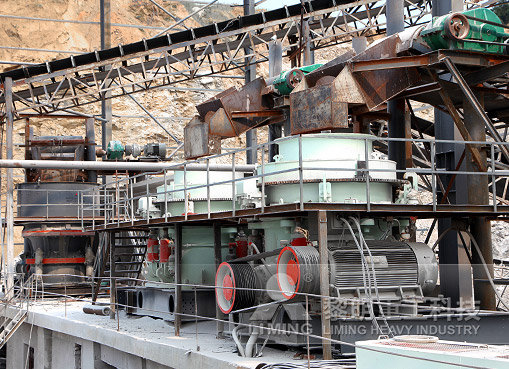 Mobile Spodumene Graphite Test Plant in Tanzania: Wheeled K Series Mobile Crushing for Bulk Sampling & Pilot Campaign
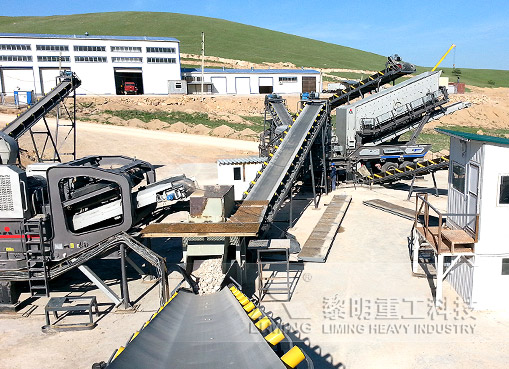 High-Mica Spodumene Graphite Ore in Rwanda: Pre-Screening to Remove Muscovite Before Crushing and Flotation
 Spodumene Graphite Tailing Retreatment Plant in Australia: Recovering Locked Lithium and Graphite from Historic Tailings
 High Hardness Quartz-Rich Spodumene Graphite Ore in Nigeria: Wear Protection Strategy for Abrasive Pegmatite
 Spodumene Graphite Ore for Battery Anode & Cathode Supply Chain in Portugal: Low Iron Contamination Crushing CircuitMobile Spodumene Graphite Test Plant in Tanzania: Wheeled K Series Mobile Crushing for Bulk Sampling & Pilot CampaignHigh-Mica Spodumene Graphite Ore in Rwanda: Pre-Screening to Remove Muscovite Before Crushing and FlotationSpodumene Graphite Tailing Retreatment Plant in Australia: Recovering Locked Lithium and Graphite from Historic TailingsHigh Hardness Quartz-Rich Spodumene Graphite Ore in Nigeria: Wear Protection Strategy for Abrasive PegmatiteSpodumene Graphite Ore for Battery Anode & Cathode Supply Chain in Portugal: Low Iron Contamination Crushing Circuit
