
Search
1. Characteristics and market demand of graniteGranite is a high-hardness, corrosion-resistant igneous rock, mainly composed of quartz, feldspar and mica. Its compressive strength reaches 100-300MPa, and its Mohs hardness is 6-7. It is a high-qu
1. Characteristics and market demand of granite
Granite is a high-hardness, corrosion-resistant igneous rock, mainly composed of quartz, feldspar and mica. Its compressive strength reaches 100-300MPa, and its Mohs hardness is 6-7. It is a high-quality aggregate raw material for construction, highways, high-speed rail and other fields. With the growth of infrastructure demand, granite sand production line has become an investment hotspot. Its finished products include 0-5mm machine-made sand, 5-31.5mm crushed stone, etc., which can meet the strict standards of concrete above C30.
2. Typical granite production line configuration
Coarse crushing stage
Jaw crusher (such as C6X series): handles raw ore blocks below 600mm, with a large crushing ratio, a production capacity of 180-240t/h, and a discharge particle size of ≤150mm.
Vibrating feeder: pre-screens soil impurities to ensure stable operation of subsequent equipment.
Medium and fine crushing stage
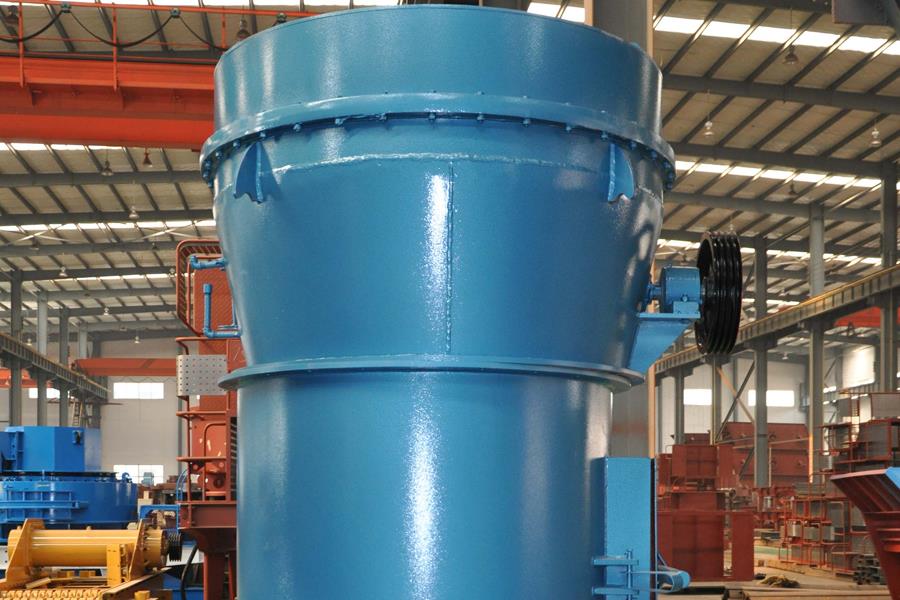
Cone crusher (such as HPT multi-cylinder hydraulic type): The secondary crushing adopts the lamination principle to crush the material to ≤50mm, and is equipped with a hydraulic cavity clearing system to reduce the risk of material jamming.
Impact crusher (optional): Used to correct the particle shape and increase the cubic content of the finished product.
Sand making and screening
Vertical shaft impact crusher (VSI6X): Through the composite mode of "stone hitting stone" and "stone hitting iron", it produces machine-made sand with reasonable grading, and the fineness modulus can be adjusted to 2.6-3.0.
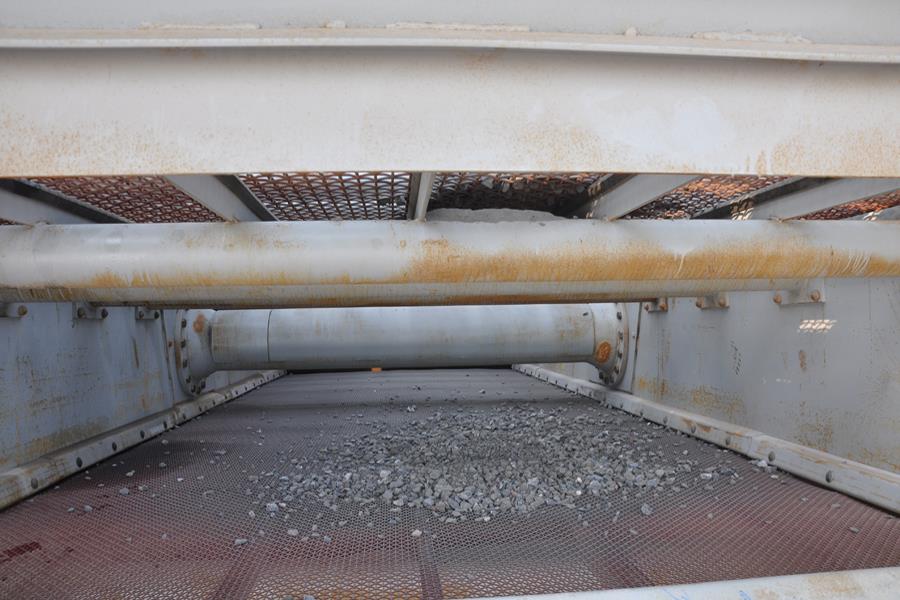
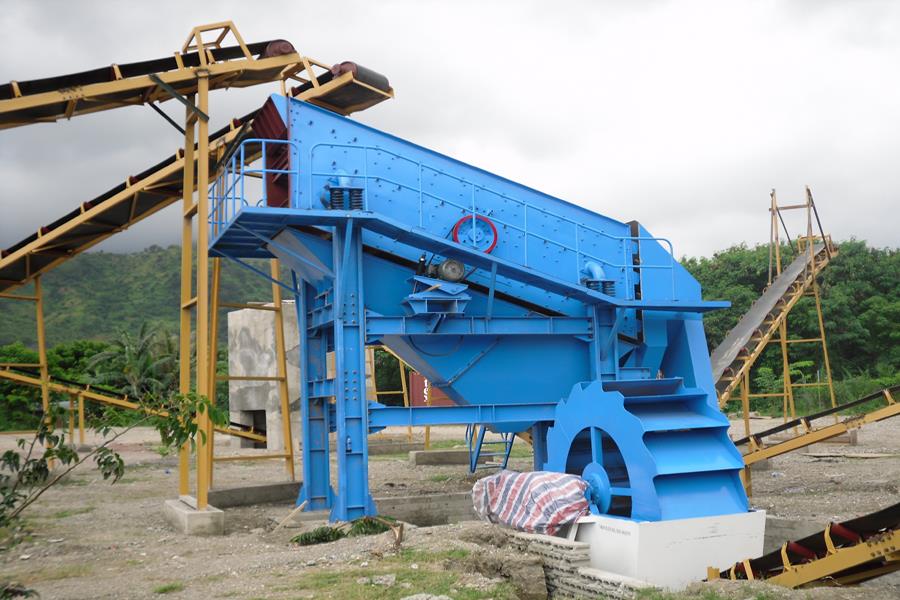
Circular vibrating screen (S5X series): Multi-stage screening (3-4 layers of screens) realizes accurate grading of specifications such as 0-5mm, 5-10mm, and 10-20mm.
Auxiliary system
Dust removal equipment: Pulse bag dust collector handles dust in the crushing process, and the emission concentration is <20mg/m³.
Automation control: PLC centralized control, real-time monitoring of equipment current, temperature and other parameters, and the failure rate is reduced by 30%.
3. Advantages of the process flow
Energy saving and environmental protection: The closed-loop design reduces wastewater discharge, and the dry process saves more than 60% of water.
High yield rate: The three-stage crushing + shaping process makes the needle-like content less than 5%, which is better than the GB/T 14685-2022 standard.
Flexible configuration: The modular design supports mobile (such as K3 tire station) or fixed layout, and is suitable for various scenarios such as mines and urban demolition garbage.
IV. Investment and benefit analysis
Take the production line with an output of 200 tons per hour as an example, the equipment investment is about 5-8 million yuan, and the power consumption is 35kW·h/ton. Calculated at the current average price of machine-made sand of 80 yuan/ton, the annual operation of 300 days can achieve a gross profit of about 28.8 million yuan, and the investment recovery period is about 1.5-2 years.
Conclusion
The modern granite production line has not only improved the resource utilization rate through intelligent and green design, but also helped achieve the "dual carbon" goal. Choosing customized solution services from professional manufacturers such as Liming Heavy Industry can further optimize capacity matching and operating costs, achieving a win-win situation in economic and environmental benefits.

Previous: SMP Crusher
Next: SMP Crusher
1. Characteristics and market demand of graniteGranite is a high-hardness, corrosion-resistant igneous rock, mainly composed of quartz, feldspar and mica. Its compressive strength reaches 100-300MPa, and its Mohs hardness is 6-7. It is a high-qu
1. Characteristics and market demand of granite
Granite is a high-hardness, corrosion-resistant igneous rock, mainly composed of quartz, feldspar and mica. Its compressive strength reaches 100-300MPa, and its Mohs hardness is 6-7. It is a high-quality aggregate raw material for construction, highways, high-speed rail and other fields. With the growth of infrastructure demand, granite sand production line has become an investment hotspot. Its finished products include 0-5mm machine-made sand, 5-31.5mm crushed stone, etc., which can meet the strict standards of concrete above C30.
2. Typical granite production line configuration
Coarse crushing stage
Jaw crusher (such as C6X series): handles raw ore blocks below 600mm, with a large crushing ratio, a production capacity of 180-240t/h, and a discharge particle size of ≤150mm.
Vibrating feeder: pre-screens soil impurities to ensure stable operation of subsequent equipment.
Medium and fine crushing stage
Cone crusher (such as HPT multi-cylinder hydraulic type): The secondary crushing adopts the lamination principle to crush the material to ≤50mm, and is equipped with a hydraulic cavity clearing system to reduce the risk of material jamming.
Impact crusher (optional): Used to correct the particle shape and increase the cubic content of the finished product.
Sand making and screening
Vertical shaft impact crusher (VSI6X): Through the composite mode of "stone hitting stone" and "stone hitting iron", it produces machine-made sand with reasonable grading, and the fineness modulus can be adjusted to 2.6-3.0.
Circular vibrating screen (S5X series): Multi-stage screening (3-4 layers of screens) realizes accurate grading of specifications such as 0-5mm, 5-10mm, and 10-20mm.
Auxiliary system
Dust removal equipment: Pulse bag dust collector handles dust in the crushing process, and the emission concentration is <20mg/m³.
Automation control: PLC centralized control, real-time monitoring of equipment current, temperature and other parameters, and the failure rate is reduced by 30%.
3. Advantages of the process flow
Energy saving and environmental protection: The closed-loop design reduces wastewater discharge, and the dry process saves more than 60% of water.
High yield rate: The three-stage crushing + shaping process makes the needle-like content less than 5%, which is better than the GB/T 14685-2022 standard.
Flexible configuration: The modular design supports mobile (such as K3 tire station) or fixed layout, and is suitable for various scenarios such as mines and urban demolition garbage.
IV. Investment and benefit analysis
Take the production line with an output of 200 tons per hour as an example, the equipment investment is about 5-8 million yuan, and the power consumption is 35kW·h/ton. Calculated at the current average price of machine-made sand of 80 yuan/ton, the annual operation of 300 days can achieve a gross profit of about 28.8 million yuan, and the investment recovery period is about 1.5-2 years.
Conclusion
The modern granite production line has not only improved the resource utilization rate through intelligent and green design, but also helped achieve the "dual carbon" goal. Choosing customized solution services from professional manufacturers such as Liming Heavy Industry can further optimize capacity matching and operating costs, achieving a win-win situation in economic and environmental benefits.
Previous: SMP Crusher
Next: SMP Crusher
 Limestone production line: efficient processing and application process
 Dolomite production line introduction
 River pebble production line introduction: efficient and environmentally friendly sand and gravel processing solutions
 Iron ore crushing production line: efficient processing and resource utilization
 Detailed explanation of copper ore processing production line: the whole process from raw materials to refined powderLimestone production line: efficient processing and application processDolomite production line introductionRiver pebble production line introduction: efficient and environmentally friendly sand and gravel processing solutionsIron ore crushing production line: efficient processing and resource utilizationDetailed explanation of copper ore processing production line: the whole process from raw materials to refined powder