
Search
Many quarry operators overlook the importance of controlled feeding particle size, resulting in low crusher output, frequent blockages and severe part wear. Feeding oversized stones or mixed fine and coarse materials breaks the balanced crushing ratio,
Many quarry operators overlook the importance of controlled feeding particle size, resulting in low crusher output, frequent blockages and severe part wear. Feeding oversized stones or mixed fine and coarse materials breaks the balanced crushing ratio, making crushing equipment work under abnormal load conditions all year round.
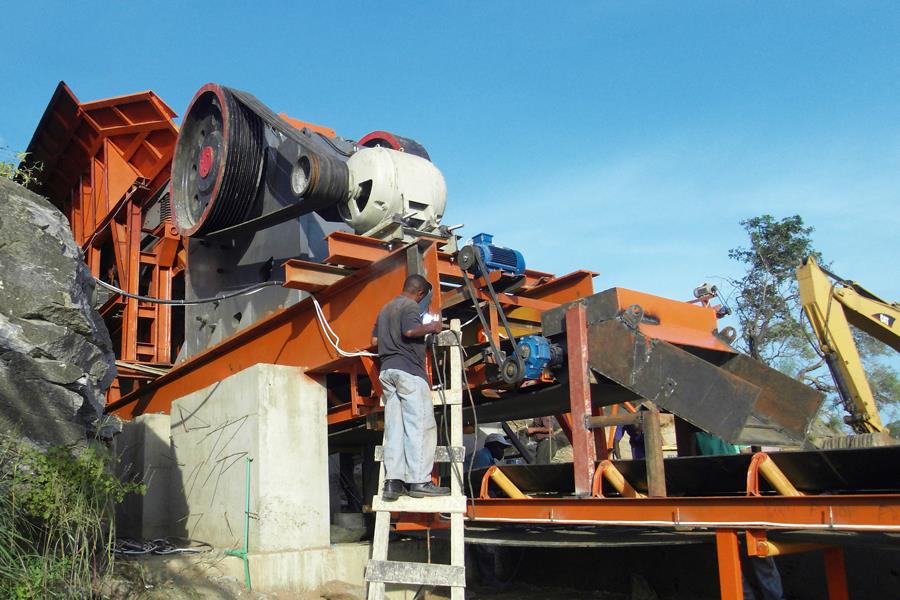
Different crushers have strict rated feeding size ranges. Jaw crushers are designed for large bulk raw stones, while cone crushers and impact crushers only work efficiently with medium and fine materials. Random feeding will cause incomplete crushing, uneven finished particle size and greatly reduced production capacity.
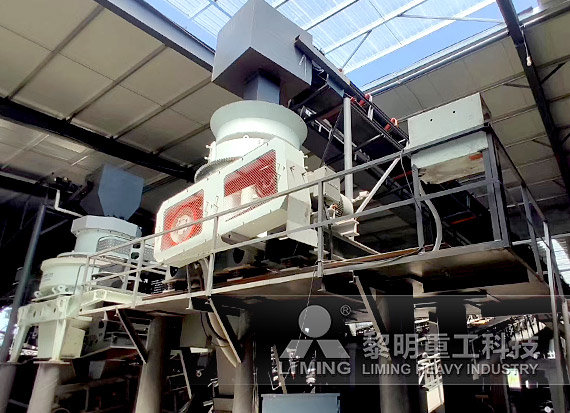
SMP formulates standardized feeding size matching standards for all crushing equipment. The supporting pre-screening equipment strictly filters oversized materials and impurities, ensuring all raw materials enter the crushing cavity within the rated range. This scientific feeding mode maximizes the crushing force and working efficiency of the equipment.
Standardized feeding management not only increases the hourly output of the crushing line by 10%-20%, but also effectively reduces equipment failure rate and wear parts consumption, helping quarries achieve high-efficiency and low-cost sustainable production.
Keywords: crusher feeding size control, improve crusher efficiency, quarry feeding management, avoid crusher blockage, optimize crushing performance

Previous: SMP Crusher
Next: SMP Crusher
Many quarry operators overlook the importance of controlled feeding particle size, resulting in low crusher output, frequent blockages and severe part wear. Feeding oversized stones or mixed fine and coarse materials breaks the balanced crushing ratio,
Many quarry operators overlook the importance of controlled feeding particle size, resulting in low crusher output, frequent blockages and severe part wear. Feeding oversized stones or mixed fine and coarse materials breaks the balanced crushing ratio, making crushing equipment work under abnormal load conditions all year round.
Different crushers have strict rated feeding size ranges. Jaw crushers are designed for large bulk raw stones, while cone crushers and impact crushers only work efficiently with medium and fine materials. Random feeding will cause incomplete crushing, uneven finished particle size and greatly reduced production capacity.
SMP formulates standardized feeding size matching standards for all crushing equipment. The supporting pre-screening equipment strictly filters oversized materials and impurities, ensuring all raw materials enter the crushing cavity within the rated range. This scientific feeding mode maximizes the crushing force and working efficiency of the equipment.
Standardized feeding management not only increases the hourly output of the crushing line by 10%-20%, but also effectively reduces equipment failure rate and wear parts consumption, helping quarries achieve high-efficiency and low-cost sustainable production.
Keywords: crusher feeding size control, improve crusher efficiency, quarry feeding management, avoid crusher blockage, optimize crushing performance
Previous: SMP Crusher
Next: SMP Crusher
 Benefits of Secondary Crushing Stage in Aggregate Production Line
 Why Sand Making Lines Need Closed-Circuit Screening System
 Advantages of Rubber Shock Absorbers for Quarry Screening Equipment
 Basalt Sand Making Process and High-Value Utilization Methods
 Common Conveyor Belt Faults and Quick Maintenance SolutionsBenefits of Secondary Crushing Stage in Aggregate Production LineWhy Sand Making Lines Need Closed-Circuit Screening SystemAdvantages of Rubber Shock Absorbers for Quarry Screening EquipmentBasalt Sand Making Process and High-Value Utilization MethodsCommon Conveyor Belt Faults and Quick Maintenance Solutions