
Search
The processing technology of manufactured sand and gravel is a crucial step in ensuring high-quality building materials. There are three main types: wet processing, dry processing, and semi-dry processing, each with its unique advantages and applicable
The processing technology of manufactured sand and gravel is a crucial step in ensuring high-quality building materials. There are three main types: wet processing, dry processing, and semi-dry processing, each with its unique advantages and applicable scope.
Learn more about manufactured sand production processes
Wet Processing: Wet processing uses water washing during material screening and crushing, combined with stone washing machines and sand washing machines to clean coarse and fine aggregates. It is suitable for raw materials containing a high amount of mud or weak particles, and for removing some stone powder when the finished sand and gravel has a high powder content. Depending on the mud content of the raw material, sand washing methods can be divided into screen washing and sand and gravel washing machine washing. The advantages of wet processing are less dust pollution and high water washing and screening efficiency, but the disadvantages are high water consumption and difficulty in recovering fine powder from manufactured sand and gravel.
Dry Processing: Dry processing refers to the process where water is basically not used, except for a few dust removal stages. It is suitable for manufactured sand and gravel systems with clean raw materials, high sand yield, and low stone powder content. Its advantages are that it does not require a large amount of water and has less stone powder loss. The disadvantages are that when the raw material has a high moisture content or high clay content, fine aggregates are difficult to screen thoroughly, and the dry processing method generates a lot of dust at various points, resulting in higher investment and operating costs for the dust removal system. It is suitable for use in northern regions, especially in environments with dry summers and freezing winters.
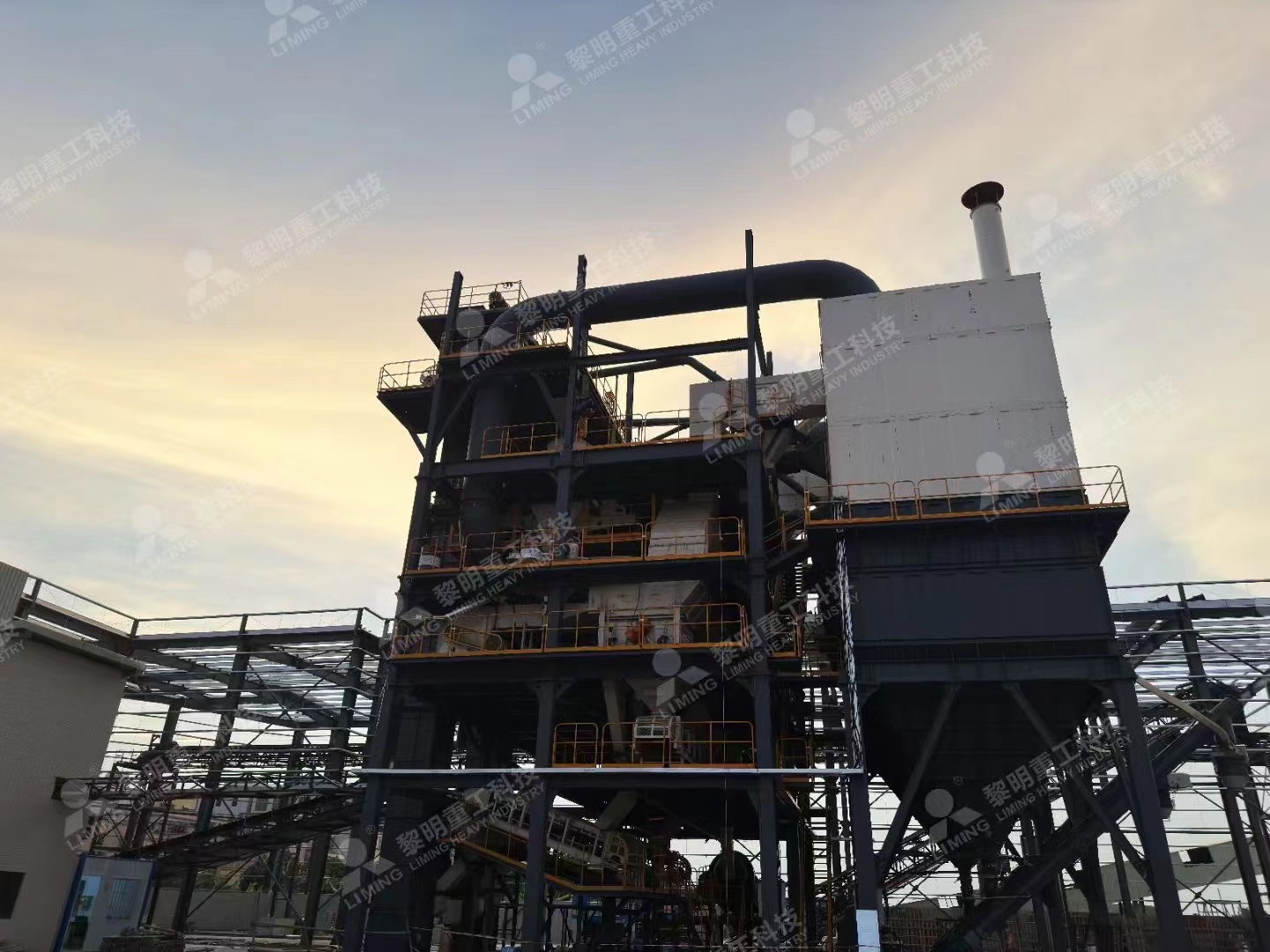
Semi-dry Process: The semi-dry processing method refers to a pre-wet, post-dry production process. That is, the pre-screening uses a wet process to control the moisture content of the output, while the shaping and sand-making screening system uses a dry process. The advantages are relatively lower water consumption compared to the wet process, smaller wastewater treatment volume, less stone powder loss, and less dust pollution. The disadvantages are that after the raw material is washed, it needs mechanical or long-term natural dehydration to ensure that the moisture content of the raw material entering the sand making machine does not exceed 3%; otherwise, the sand-making rate and screening efficiency will be low. It is suitable for use in hydraulic roller-compacted concrete dams where the raw material has a low clay content and the finished sand requires a high powder content.
Shibang Group Crushing/Sand Making/Grinding Consulting Call Now Shibang Group's Innovation and Practice As a leading manufacturer of sand and gravel aggregate equipment, Shibang Group has conducted extensive innovation and practice in the field of manufactured sand and gravel processing technology, achieving remarkable results.
Conclusion Shibang Group continuously innovates in the field of manufactured sand and gravel processing technology. Through the application of wet, dry, and semi-dry production processes, it has improved the efficiency and environmental protection level of sand and gravel aggregate production, meeting market demands. In the future, Shibang Group will continue to be driven by technological innovation, supporting more infrastructure projects and promoting high-quality development in the industry.

Previous: SMP Crusher
Next: SMP Crusher
The processing technology of manufactured sand and gravel is a crucial step in ensuring high-quality building materials. There are three main types: wet processing, dry processing, and semi-dry processing, each with its unique advantages and applicable
The processing technology of manufactured sand and gravel is a crucial step in ensuring high-quality building materials. There are three main types: wet processing, dry processing, and semi-dry processing, each with its unique advantages and applicable scope.
Learn more about manufactured sand production processes
Wet Processing: Wet processing uses water washing during material screening and crushing, combined with stone washing machines and sand washing machines to clean coarse and fine aggregates. It is suitable for raw materials containing a high amount of mud or weak particles, and for removing some stone powder when the finished sand and gravel has a high powder content. Depending on the mud content of the raw material, sand washing methods can be divided into screen washing and sand and gravel washing machine washing. The advantages of wet processing are less dust pollution and high water washing and screening efficiency, but the disadvantages are high water consumption and difficulty in recovering fine powder from manufactured sand and gravel.
Dry Processing: Dry processing refers to the process where water is basically not used, except for a few dust removal stages. It is suitable for manufactured sand and gravel systems with clean raw materials, high sand yield, and low stone powder content. Its advantages are that it does not require a large amount of water and has less stone powder loss. The disadvantages are that when the raw material has a high moisture content or high clay content, fine aggregates are difficult to screen thoroughly, and the dry processing method generates a lot of dust at various points, resulting in higher investment and operating costs for the dust removal system. It is suitable for use in northern regions, especially in environments with dry summers and freezing winters.
Semi-dry Process: The semi-dry processing method refers to a pre-wet, post-dry production process. That is, the pre-screening uses a wet process to control the moisture content of the output, while the shaping and sand-making screening system uses a dry process. The advantages are relatively lower water consumption compared to the wet process, smaller wastewater treatment volume, less stone powder loss, and less dust pollution. The disadvantages are that after the raw material is washed, it needs mechanical or long-term natural dehydration to ensure that the moisture content of the raw material entering the sand making machine does not exceed 3%; otherwise, the sand-making rate and screening efficiency will be low. It is suitable for use in hydraulic roller-compacted concrete dams where the raw material has a low clay content and the finished sand requires a high powder content.
Shibang Group Crushing/Sand Making/Grinding Consulting Call Now Shibang Group's Innovation and Practice As a leading manufacturer of sand and gravel aggregate equipment, Shibang Group has conducted extensive innovation and practice in the field of manufactured sand and gravel processing technology, achieving remarkable results.
Conclusion Shibang Group continuously innovates in the field of manufactured sand and gravel processing technology. Through the application of wet, dry, and semi-dry production processes, it has improved the efficiency and environmental protection level of sand and gravel aggregate production, meeting market demands. In the future, Shibang Group will continue to be driven by technological innovation, supporting more infrastructure projects and promoting high-quality development in the industry.
Previous: SMP Crusher
Next: SMP Crusher
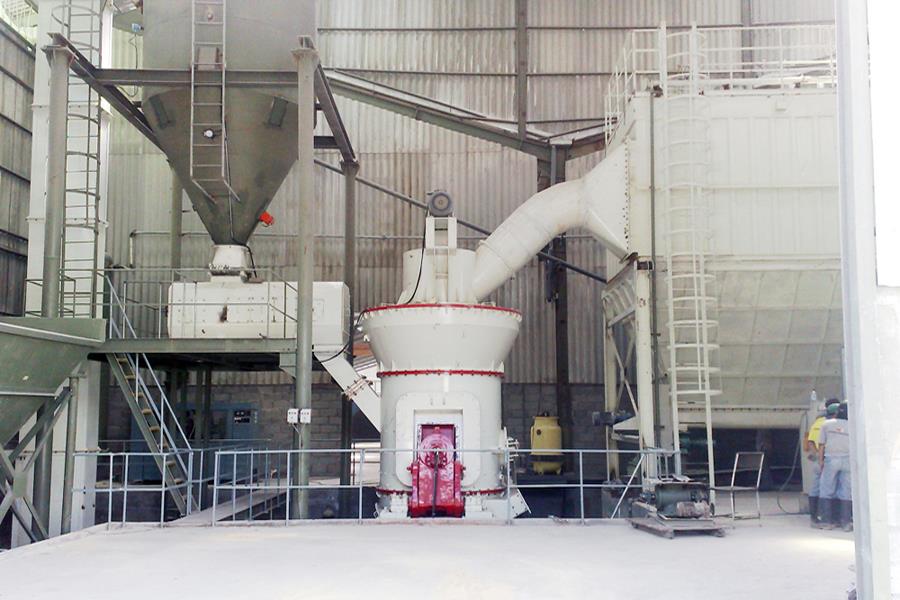 How much does a new type of mobile crusher cost? Analysis of key factors affecting the price of mobile crushers.
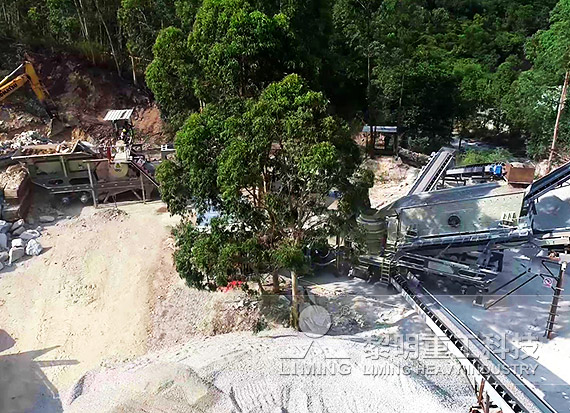 How much does a complete set of sand making equipment cost?
 300 tons per hour sand and gravel production line
 Complete list of crusher models
 Manufactured sand production equipment and processes: A comparison of the advantages and disadvantages of dry and wet sand production.How much does a new type of mobile crusher cost? Analysis of key factors affecting the price of mobile crushers.How much does a complete set of sand making equipment cost?300 tons per hour sand and gravel production lineComplete list of crusher modelsManufactured sand production equipment and processes: A comparison of the advantages and disadvantages of dry and wet sand production.