
Search
A lead-zinc concentrator in Central Asia kept shipping mixed concentrates with high mutual contamination, and smelters were penalizing them. Investigations pointed not to the flotation reagents but to the crushing front end: coarse locked intergrowths
A lead-zinc concentrator in Central Asia kept shipping mixed concentrates with high mutual contamination, and smelters were penalizing them. Investigations pointed not to the flotation reagents but to the crushing front end: coarse locked intergrowths could not be liberated, and excessive fines created slime that destroyed flotation selectivity.
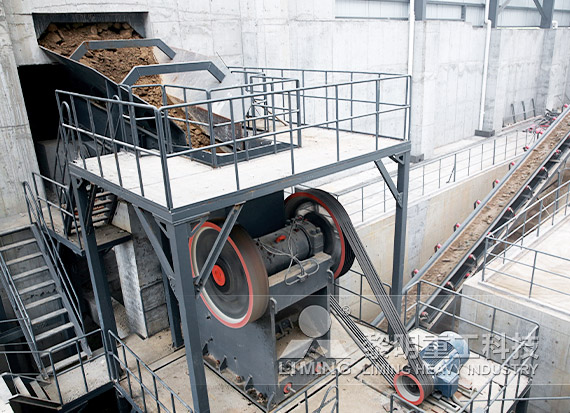
We rebuilt the crushing section into a **three-stage closed circuit**: **C6X jaw** for primary, **HST cone** for secondary, and a tertiary cone in closed circuit with a vibrating screen. Regular CSS calibration and liner-wear tracking keep the mill feed within a narrow P80 band. A scrubber ahead of the jaw removes the clay and oxidized surface material that was generating slime in the flotation cells.
Concentrate quality improved: lead-in-zinc and zinc-in-lead penalties dropped, and net metal payment rose. The plant learned that "flotation problem" is often really a "crushing problem" — and that consistent liberation starts at the jaw, not at the reagent tank.
**Keyword focus**: lead zinc flotation plant, closed circuit crushing, galena sphalerite liberation, concentrate grade improvement

Previous: SMP Crusher
Next: SMP Crusher
A lead-zinc concentrator in Central Asia kept shipping mixed concentrates with high mutual contamination, and smelters were penalizing them. Investigations pointed not to the flotation reagents but to the crushing front end: coarse locked intergrowths
A lead-zinc concentrator in Central Asia kept shipping mixed concentrates with high mutual contamination, and smelters were penalizing them. Investigations pointed not to the flotation reagents but to the crushing front end: coarse locked intergrowths could not be liberated, and excessive fines created slime that destroyed flotation selectivity.
We rebuilt the crushing section into a **three-stage closed circuit**: **C6X jaw** for primary, **HST cone** for secondary, and a tertiary cone in closed circuit with a vibrating screen. Regular CSS calibration and liner-wear tracking keep the mill feed within a narrow P80 band. A scrubber ahead of the jaw removes the clay and oxidized surface material that was generating slime in the flotation cells.
Concentrate quality improved: lead-in-zinc and zinc-in-lead penalties dropped, and net metal payment rose. The plant learned that "flotation problem" is often really a "crushing problem" — and that consistent liberation starts at the jaw, not at the reagent tank.
**Keyword focus**: lead zinc flotation plant, closed circuit crushing, galena sphalerite liberation, concentrate grade improvement
Previous: SMP Crusher
Next: SMP Crusher
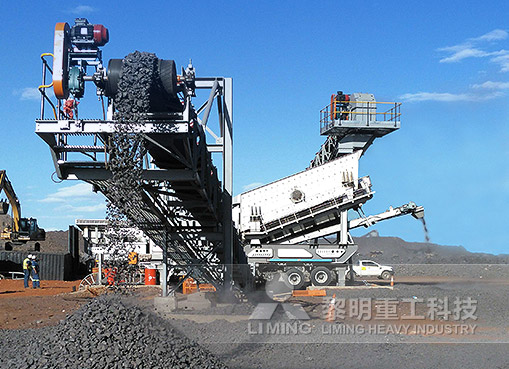 Tuff / Volcanic Ash for a Ready-Mix Block Maker in Ethiopia: Making Cubical Aggregate from Soft Rock
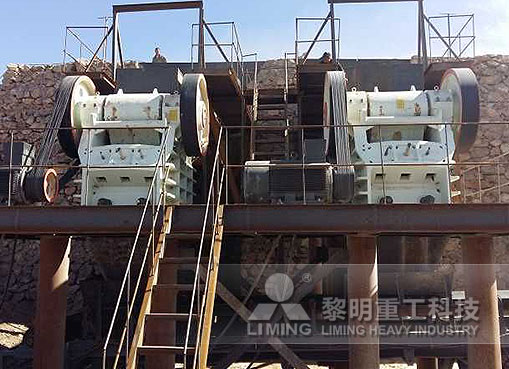 Marble Waste Reuse in Türkiye: Turning Quarry Slabs into Construction Sand
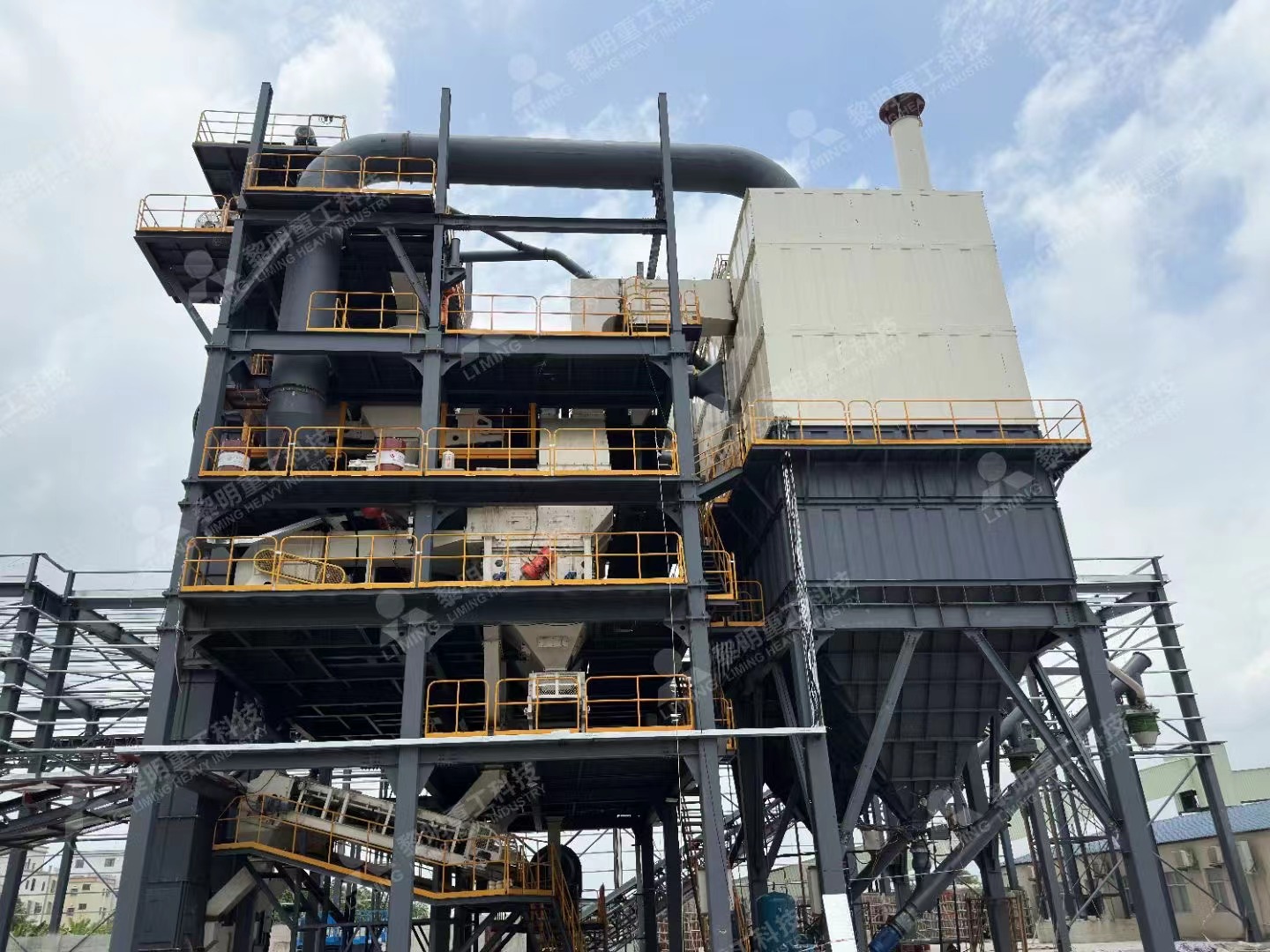 Chrome Ore Gravity Plant in Zimbabwe: Preserving Chromite Grains Through Gentle Crushing
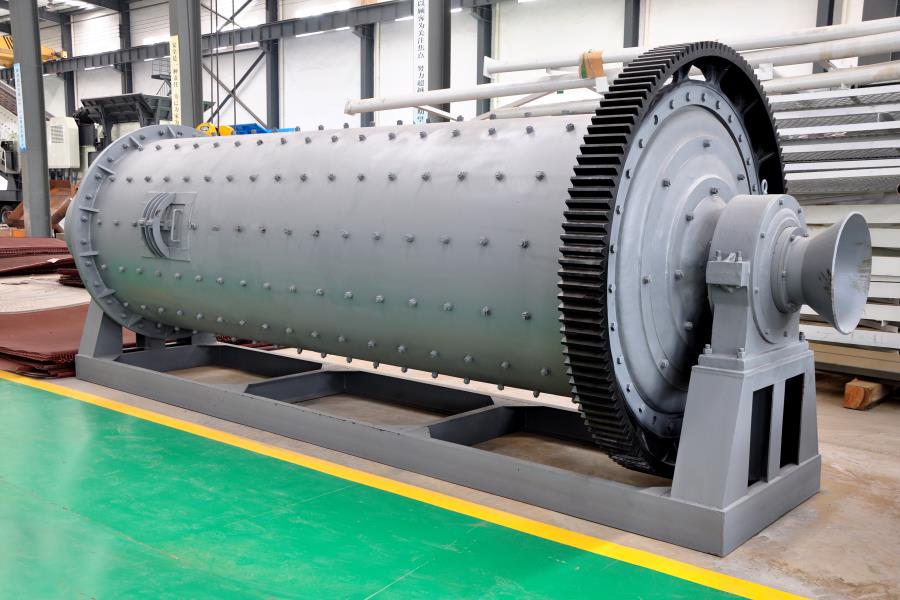 Spodumene Lithium Project in Australia: Cone Crushing That Liberates Without Sliming
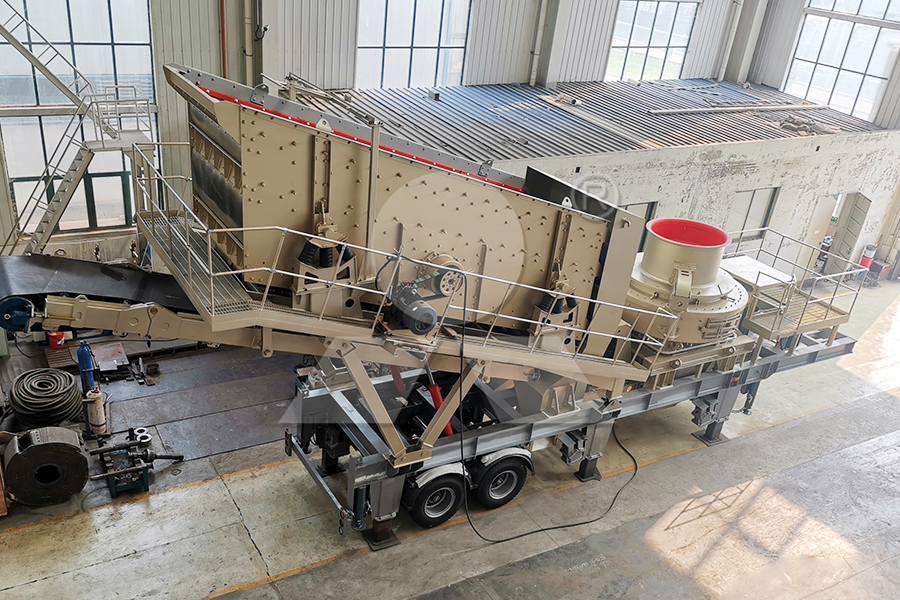 Tailings Re-Treatment in Peru: A Small Mobile Line That Turned Old Dumps Into New RevenueTuff / Volcanic Ash for a Ready-Mix Block Maker in Ethiopia: Making Cubical Aggregate from Soft RockMarble Waste Reuse in Türkiye: Turning Quarry Slabs into Construction SandChrome Ore Gravity Plant in Zimbabwe: Preserving Chromite Grains Through Gentle CrushingSpodumene Lithium Project in Australia: Cone Crushing That Liberates Without SlimingTailings Re-Treatment in Peru: A Small Mobile Line That Turned Old Dumps Into New Revenue
