
Search
As an important industrial raw material, limestone is widely used in metallurgy, building materials, chemical industry, environmental protection and other fields. Its production and processing requires specialized production line equipment and technica
As an important industrial raw material, limestone is widely used in metallurgy, building materials, chemical industry, environmental protection and other fields. Its production and processing requires specialized production line equipment and technical support. This article will introduce the main components, core equipment and process flow of limestone production line in detail.
1. Production line composition
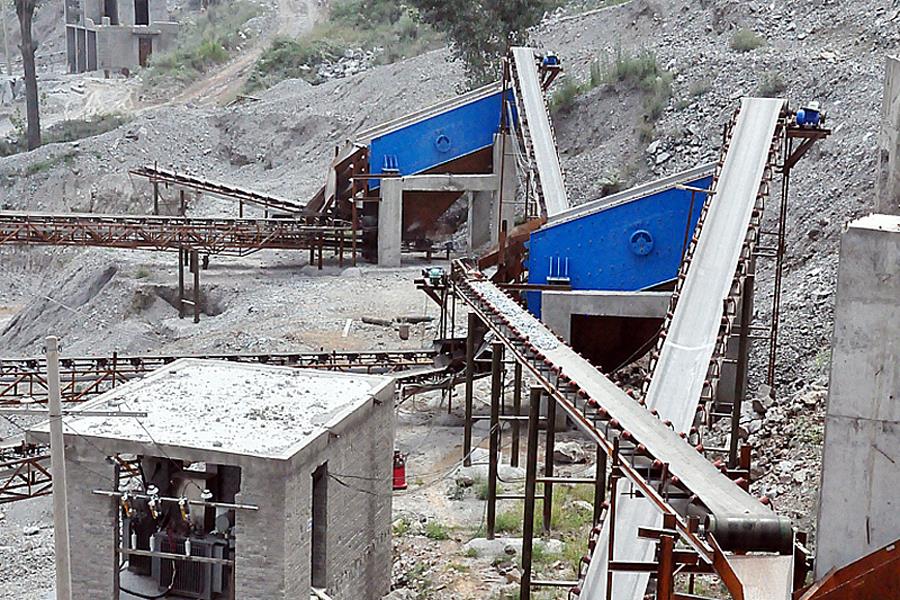
The limestone production line mainly consists of three parts: crushing system, grinding system and grading system. The crushing system is responsible for the coarse and medium crushing of large pieces of raw ore; the grinding system further grinds the crushed material into the required fineness; the grading system finely grades the finished powder.
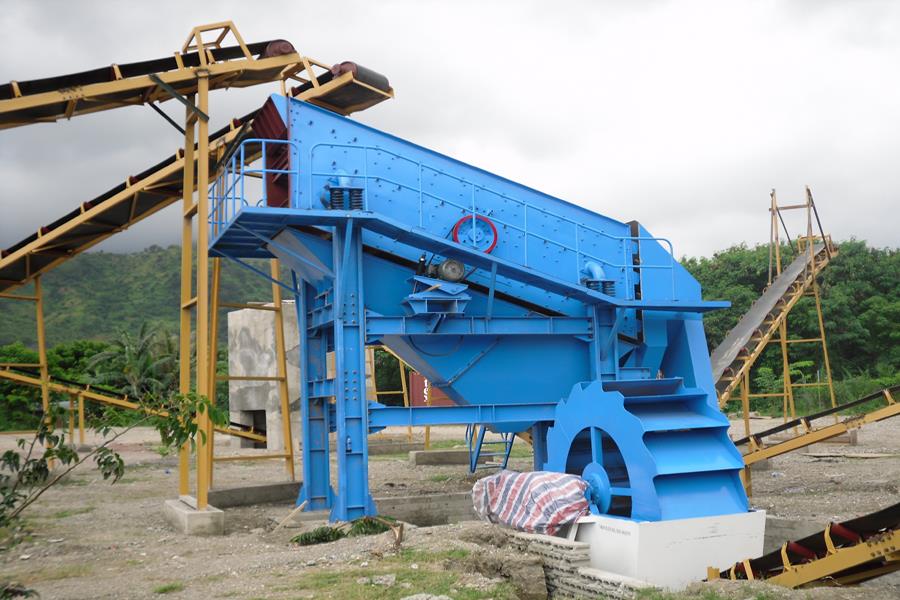
2. Introduction to core equipment
Crushing equipment:
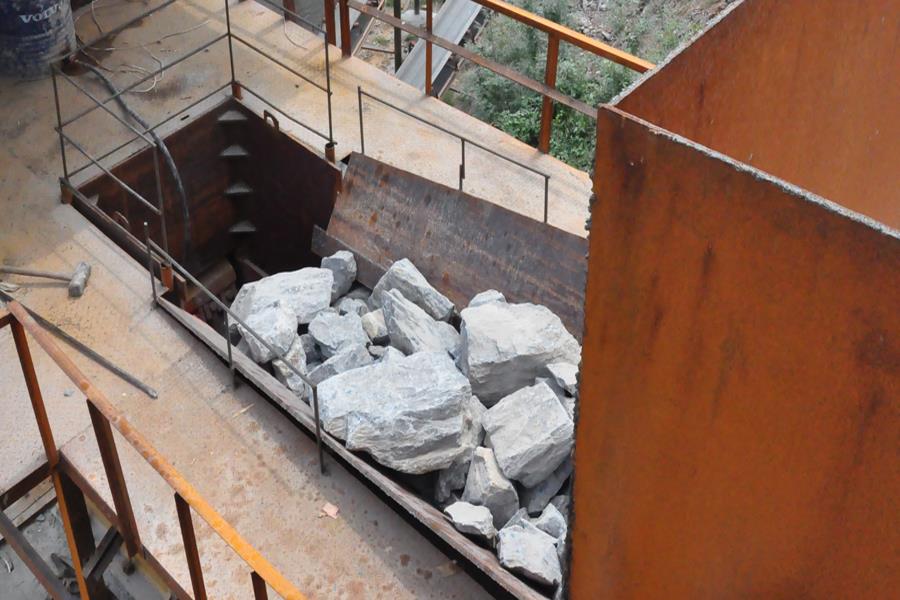
Jaw crusher: used for primary crushing and processing large pieces of raw materials
Impact crusher/cone crusher: for medium and fine crushing
Impact crusher: used for shaping and sand making
Grinding equipment:
MTW European version mill: suitable for powder processing below 325 mesh
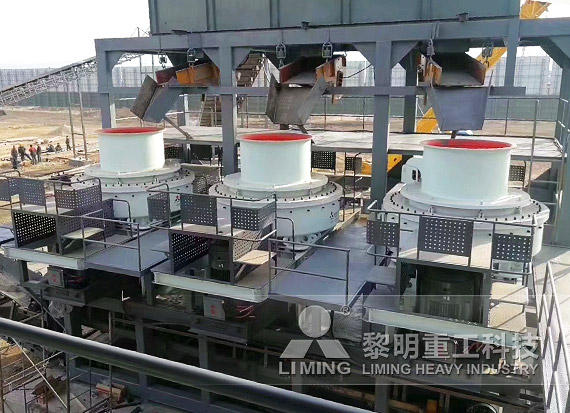
LM vertical mill: large-scale fine powder production
MW ring roller micro powder mill: ultrafine powder processing equipment
Auxiliary equipment:
Vibrating feeder
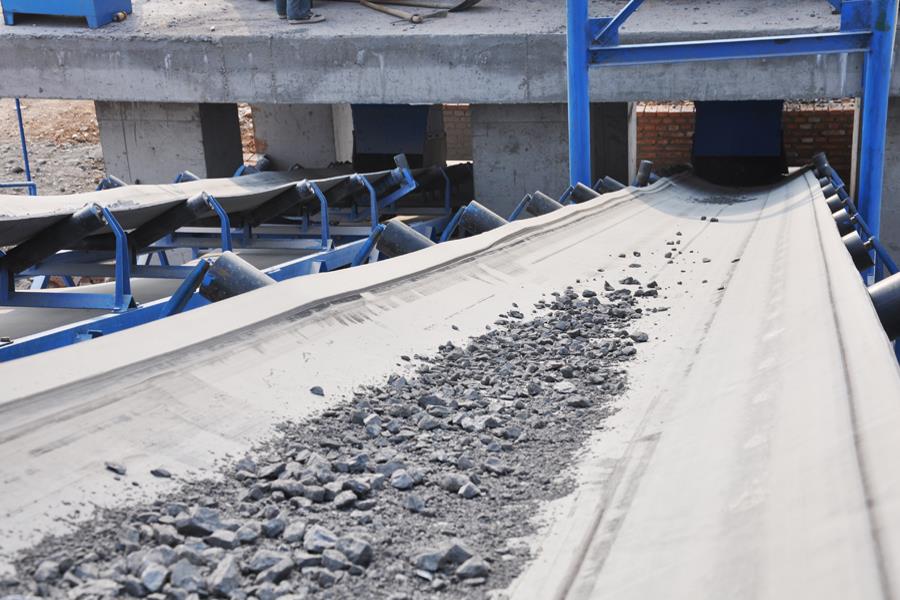
Bucket elevator
Pulse dust collector
Automation control system
3. Typical process flow
Crushing stage:
Ore → Vibrating feeder → Jaw crusher (coarse crushing) → Impact crusher/cone crusher (medium crushing) → Impact crusher (sand making)
Grinding stage:
Crushed material → Elevator → Silo → Feeder → Grinding main Machine → Classifier
Finished product collection:
Qualified powder → Dust collector collection → Silo storage → Packaging/bulk
IV. Technical advantages
Modern limestone production lines have the following characteristics:
High degree of automation, intelligent control
Excellent environmental performance, dust emission up to standard
Low energy consumption, economical operating cost
Finished product particle size can be adjusted to meet the needs of different fields
V. Application areas
Processed limestone products are widely used in:
Construction industry: cement, concrete raw materials
Environmental protection field: power plant desulfurizer
Chemical industry: preparation of chemical raw materials such as calcium carbonate
Metallurgical industry: steelmaking flux
Agriculture: soil conditioner
Conclusion:
With the advancement of technology, modern limestone production lines are developing in the direction of large-scale, intelligent and environmentally friendly. Choosing the right production line configuration can achieve efficient use of resources and increase product added value. It is recommended that users choose professional equipment suppliers for customized solution design based on specific production capacity requirements, product specifications and investment budget.

Previous: SMP Crusher
Next: SMP Crusher
As an important industrial raw material, limestone is widely used in metallurgy, building materials, chemical industry, environmental protection and other fields. Its production and processing requires specialized production line equipment and technica
As an important industrial raw material, limestone is widely used in metallurgy, building materials, chemical industry, environmental protection and other fields. Its production and processing requires specialized production line equipment and technical support. This article will introduce the main components, core equipment and process flow of limestone production line in detail.
1. Production line composition
The limestone production line mainly consists of three parts: crushing system, grinding system and grading system. The crushing system is responsible for the coarse and medium crushing of large pieces of raw ore; the grinding system further grinds the crushed material into the required fineness; the grading system finely grades the finished powder.
2. Introduction to core equipment
Crushing equipment:
Jaw crusher: used for primary crushing and processing large pieces of raw materials
Impact crusher/cone crusher: for medium and fine crushing
Impact crusher: used for shaping and sand making
Grinding equipment:
MTW European version mill: suitable for powder processing below 325 mesh
LM vertical mill: large-scale fine powder production
MW ring roller micro powder mill: ultrafine powder processing equipment
Auxiliary equipment:
Vibrating feeder
Bucket elevator
Pulse dust collector
Automation control system
3. Typical process flow
Crushing stage:
Ore → Vibrating feeder → Jaw crusher (coarse crushing) → Impact crusher/cone crusher (medium crushing) → Impact crusher (sand making)
Grinding stage:
Crushed material → Elevator → Silo → Feeder → Grinding main Machine → Classifier
Finished product collection:
Qualified powder → Dust collector collection → Silo storage → Packaging/bulk
IV. Technical advantages
Modern limestone production lines have the following characteristics:
High degree of automation, intelligent control
Excellent environmental performance, dust emission up to standard
Low energy consumption, economical operating cost
Finished product particle size can be adjusted to meet the needs of different fields
V. Application areas
Processed limestone products are widely used in:
Construction industry: cement, concrete raw materials
Environmental protection field: power plant desulfurizer
Chemical industry: preparation of chemical raw materials such as calcium carbonate
Metallurgical industry: steelmaking flux
Agriculture: soil conditioner
Conclusion:
With the advancement of technology, modern limestone production lines are developing in the direction of large-scale, intelligent and environmentally friendly. Choosing the right production line configuration can achieve efficient use of resources and increase product added value. It is recommended that users choose professional equipment suppliers for customized solution design based on specific production capacity requirements, product specifications and investment budget.
Previous: SMP Crusher
Next: SMP Crusher
 Dolomite production line introduction
 River pebble production line introduction: efficient and environmentally friendly sand and gravel processing solutions
 Iron ore crushing production line: efficient processing and resource utilization
 Detailed explanation of copper ore processing production line: the whole process from raw materials to refined powder
 Detailed explanation of basalt crushing production line configuration planDolomite production line introductionRiver pebble production line introduction: efficient and environmentally friendly sand and gravel processing solutionsIron ore crushing production line: efficient processing and resource utilizationDetailed explanation of copper ore processing production line: the whole process from raw materials to refined powderDetailed explanation of basalt crushing production line configuration plan