
Search
Most supergene manganese oxide deposits carry sticky clay, which adheres tightly to manganese nodules and fragments. If clay is not removed before beneficiation, it blocks screens, fills crusher cavities and dilutes manganese concentrate grade. A tailo
Most supergene manganese oxide deposits carry sticky clay, which adheres tightly to manganese nodules and fragments. If clay is not removed before beneficiation, it blocks screens, fills crusher cavities and dilutes manganese concentrate grade. A tailored crushing-scrubbing-desliming circuit is widely adopted for this ore type.
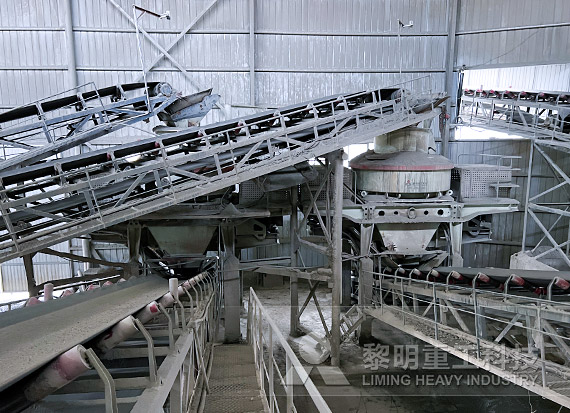
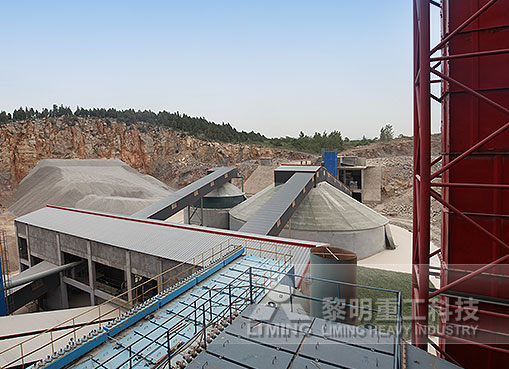
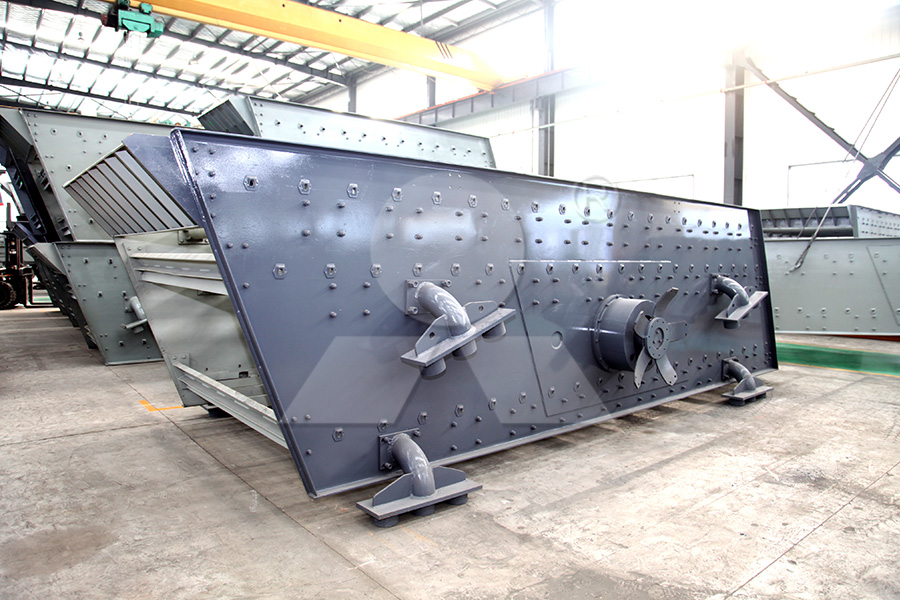
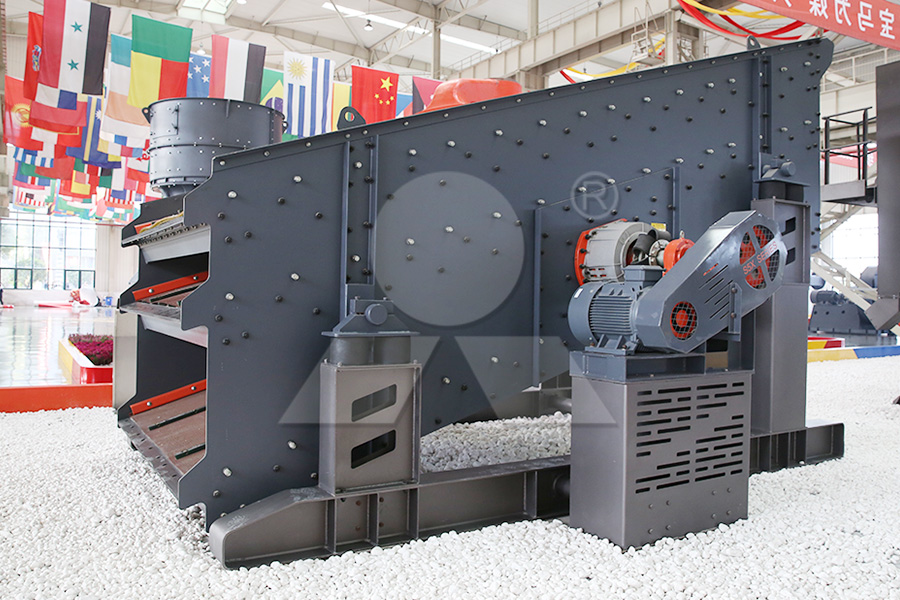
ROM ore first goes through primary jaw crushing. Crushed lump ore enters an ore scrubber to rub off surface clay. Wet vibrating screens separate clay slime from manganese-bearing particles. The clean manganese lumps go to secondary cone crushing, then to heavy media separation or jig gravity concentration. Fine manganese slime from desliming can be recovered by spiral concentrators separately.
Do not use fine impact crushers at the front stage, as they smash soft manganese oxide into ultra-fine slime which is difficult to recover. Operators need to balance scrubbing intensity: over-scrubbing pulverizes valuable manganese minerals, while weak scrubbing leaves clay contaminants. This flow is popular for medium-grade manganese oxide mines targeting battery-grade manganese feedstock.
Keywords: manganese oxide ore crushing scrubbing, clayey manganese ore processing, manganese gravity feed preparation, manganese mine scrubber circuit

Previous: SMP Crusher
Next: SMP Crusher
Most supergene manganese oxide deposits carry sticky clay, which adheres tightly to manganese nodules and fragments. If clay is not removed before beneficiation, it blocks screens, fills crusher cavities and dilutes manganese concentrate grade. A tailo
Most supergene manganese oxide deposits carry sticky clay, which adheres tightly to manganese nodules and fragments. If clay is not removed before beneficiation, it blocks screens, fills crusher cavities and dilutes manganese concentrate grade. A tailored crushing-scrubbing-desliming circuit is widely adopted for this ore type.
ROM ore first goes through primary jaw crushing. Crushed lump ore enters an ore scrubber to rub off surface clay. Wet vibrating screens separate clay slime from manganese-bearing particles. The clean manganese lumps go to secondary cone crushing, then to heavy media separation or jig gravity concentration. Fine manganese slime from desliming can be recovered by spiral concentrators separately.
Do not use fine impact crushers at the front stage, as they smash soft manganese oxide into ultra-fine slime which is difficult to recover. Operators need to balance scrubbing intensity: over-scrubbing pulverizes valuable manganese minerals, while weak scrubbing leaves clay contaminants. This flow is popular for medium-grade manganese oxide mines targeting battery-grade manganese feedstock.
Keywords: manganese oxide ore crushing scrubbing, clayey manganese ore processing, manganese gravity feed preparation, manganese mine scrubber circuit
Previous: SMP Crusher
Next: SMP Crusher
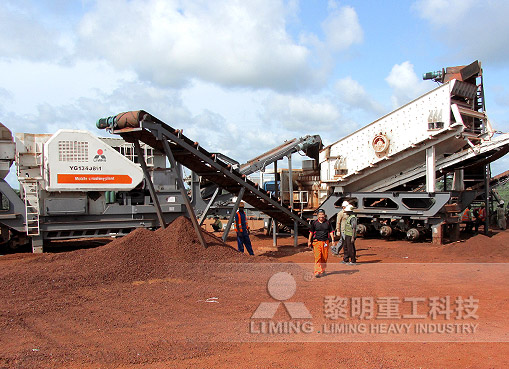 Pyrite Associated Metal Ore: How to Control Sulphide Dust & Acid Risk in Crushing Workshop
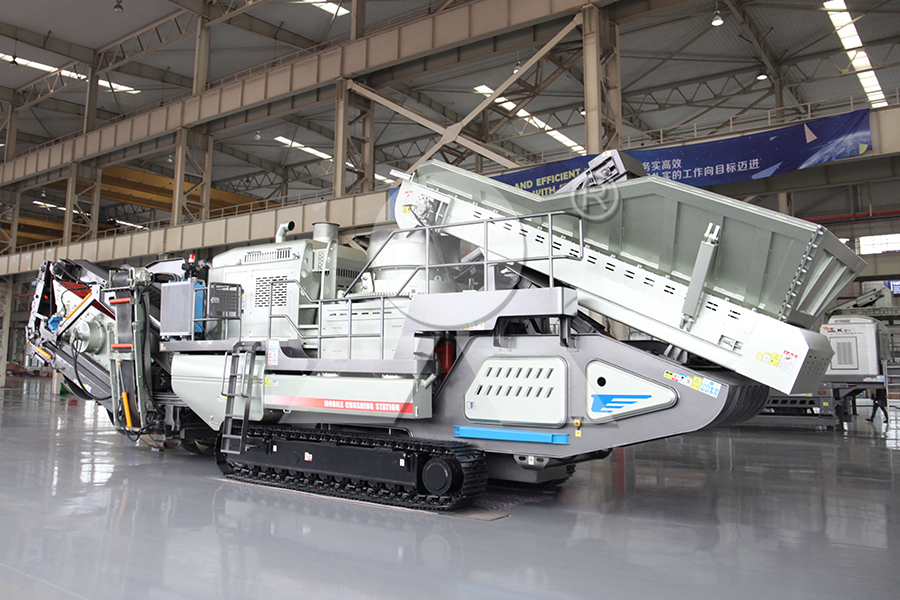 Lead Zinc Sulphide Ore Closed-Circuit Crushing Setup for Flotation Feed Consistency
 Chromite Ore Crushing for Gravity Beneficiation: Avoid Over-Pulverizing Chromite Grains
 Tungsten Ore Crushing Circuit Design for Scheelite & Wolframite Pre-Sorting
 Nickel Laterite Ore Crushing & Agglomeration Preparation for HPAL ProcessPyrite Associated Metal Ore: How to Control Sulphide Dust & Acid Risk in Crushing WorkshopLead Zinc Sulphide Ore Closed-Circuit Crushing Setup for Flotation Feed ConsistencyChromite Ore Crushing for Gravity Beneficiation: Avoid Over-Pulverizing Chromite GrainsTungsten Ore Crushing Circuit Design for Scheelite & Wolframite Pre-SortingNickel Laterite Ore Crushing & Agglomeration Preparation for HPAL Process
