

Search
Energy cost is the largest recurring expense for most mines and quarries, after labour and wear parts. Benchmarking specific energy consumption (kWh per ton) lets operators spot inefficient bottlenecks: a choked screen, oversized feed, worn liners, sur
Energy cost is the largest recurring expense for most mines and quarries, after labour and wear parts. Benchmarking specific energy consumption (kWh per ton) lets operators spot inefficient bottlenecks: a choked screen, oversized feed, worn liners, surging feed or an overloaded crusher all push energy use upward without extra finished product. Aggregate circuits and metal ore circuits cannot use the same benchmarks, because metal ore targets fine liberation while aggregate targets shaping and sizing.
A magnetite pre-concentration circuit, a copper crushing SAG pebble circuit and a granite sand plant all have different baseline energy targets. Comparing kWh/ton across different ore types is meaningless unless normalized by feed hardness, abrasion index and product P80. Many operators only track total plant power, not power per individual crusher, feeder and screen, so bottlenecks remain hidden.
SMP energy audit service instruments each unit in the crushing circuit, maps power draw against tonnage and particle size, then identifies low-cost fixes: CSS adjustment, pre-screening, liner replacement, surge bin tuning or feed-rate control. These changes often cut specific energy consumption by 8–15% without sacrificing product quality or liberation.
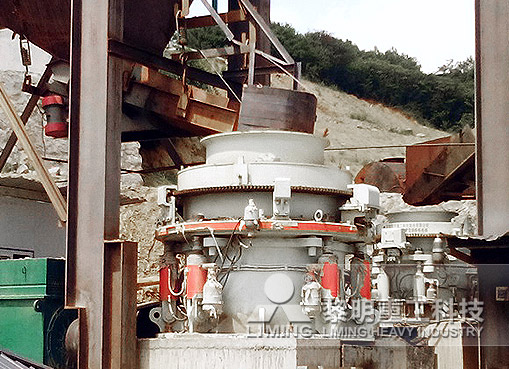
Regular energy benchmarking turns crushing circuits from energy consumers into optimized, predictable cost centres.
**Keywords**: crushing circuit energy benchmarking, specific energy consumption kWh/t, quarry power audit, metal ore crushing energy efficiency, crusher bottleneck identification

Previous: SMP Crusher
Next: SMP Crusher
Energy cost is the largest recurring expense for most mines and quarries, after labour and wear parts. Benchmarking specific energy consumption (kWh per ton) lets operators spot inefficient bottlenecks: a choked screen, oversized feed, worn liners, sur
Energy cost is the largest recurring expense for most mines and quarries, after labour and wear parts. Benchmarking specific energy consumption (kWh per ton) lets operators spot inefficient bottlenecks: a choked screen, oversized feed, worn liners, surging feed or an overloaded crusher all push energy use upward without extra finished product. Aggregate circuits and metal ore circuits cannot use the same benchmarks, because metal ore targets fine liberation while aggregate targets shaping and sizing.
A magnetite pre-concentration circuit, a copper crushing SAG pebble circuit and a granite sand plant all have different baseline energy targets. Comparing kWh/ton across different ore types is meaningless unless normalized by feed hardness, abrasion index and product P80. Many operators only track total plant power, not power per individual crusher, feeder and screen, so bottlenecks remain hidden.
SMP energy audit service instruments each unit in the crushing circuit, maps power draw against tonnage and particle size, then identifies low-cost fixes: CSS adjustment, pre-screening, liner replacement, surge bin tuning or feed-rate control. These changes often cut specific energy consumption by 8–15% without sacrificing product quality or liberation.
Regular energy benchmarking turns crushing circuits from energy consumers into optimized, predictable cost centres.
**Keywords**: crushing circuit energy benchmarking, specific energy consumption kWh/t, quarry power audit, metal ore crushing energy efficiency, crusher bottleneck identification
Previous: SMP Crusher
Next: SMP Crusher
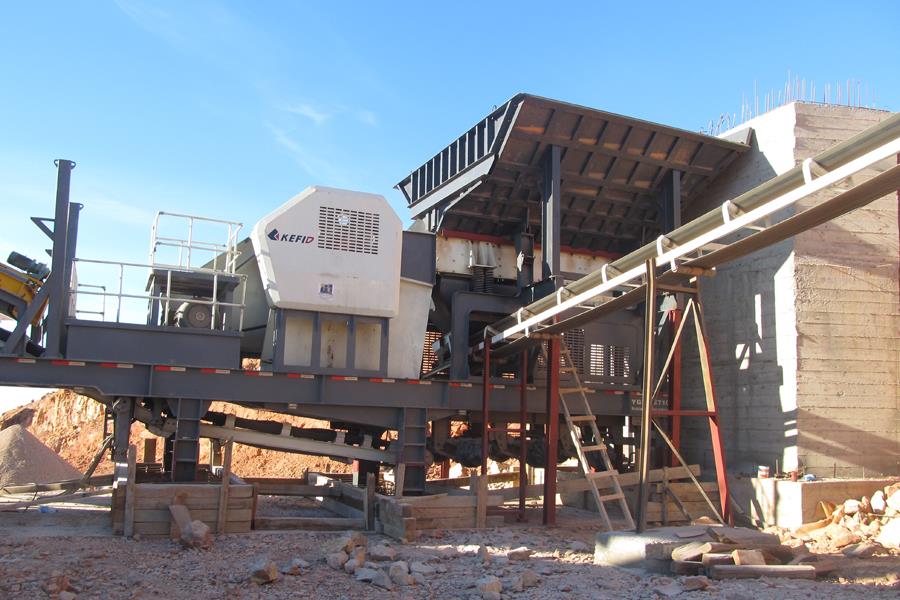 Spodumene Crushing Circuit Design for Lithium Ore Liberation in Hard Rock Lithium Projects
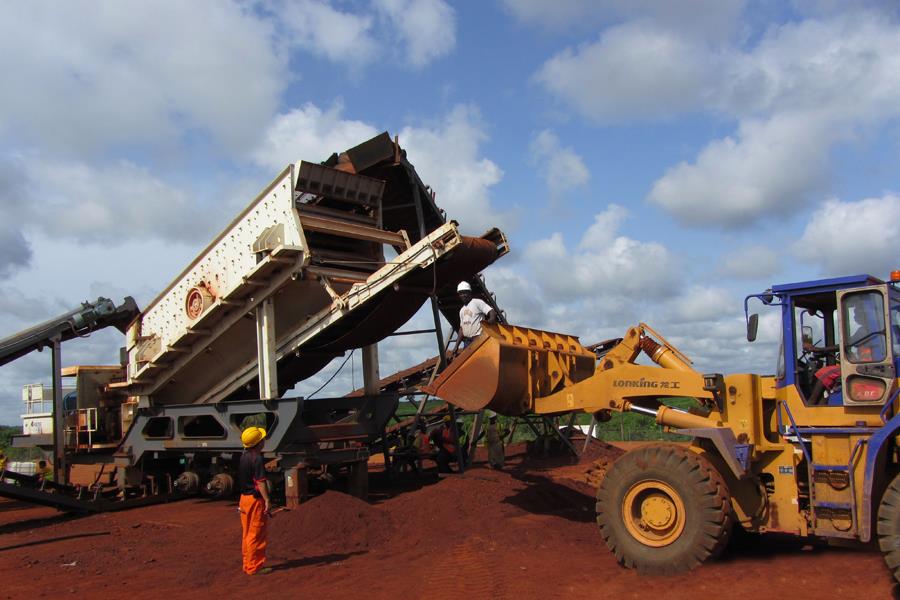 High-Strength Basalt Aggregate for Airport Runway Pavement: Crushing and Durability Control
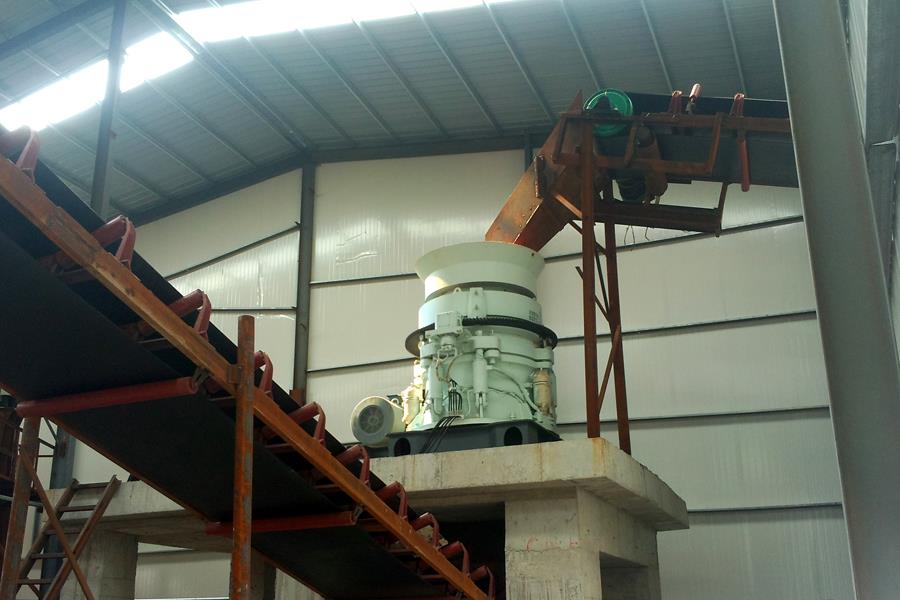 Spodumene Pre-Concentration with XRT Sorting after Coarse Crushing to Cut Lithium Processing Costs
 Manufactured Sand for Mass Precast PC Components: Gradation, Powder Content and Volume Stability
 Lithium Mica Crushing and Desliming Process for Low-Grade Lithium Mica BeneficiationSpodumene Crushing Circuit Design for Lithium Ore Liberation in Hard Rock Lithium ProjectsHigh-Strength Basalt Aggregate for Airport Runway Pavement: Crushing and Durability ControlSpodumene Pre-Concentration with XRT Sorting after Coarse Crushing to Cut Lithium Processing CostsManufactured Sand for Mass Precast PC Components: Gradation, Powder Content and Volume StabilityLithium Mica Crushing and Desliming Process for Low-Grade Lithium Mica Beneficiation
