
Search
The treatment of mine tailings is a critical undertaking that must be conducted within a framework of strict legal and regulatory compliance. First and foremost, prior to commencing any tailings treatment operations, one must adhere to all national law
The treatment of mine tailings is a critical undertaking that must be conducted within a framework of strict legal and regulatory compliance. First and foremost, prior to commencing any tailings treatment operations, one must adhere to all national laws, regulations, and standards, and prepare all requisite documentation. The following outlines the general procedural workflow for this process:
Click here to inquire about pricing for tailings and waste crushing equipment.
**Business Name Pre-Approval (Administration for Industry and Commerce):** Individuals must present their national ID cards to apply for a "Notice of Pre-Approval for Enterprise Name." Enterprises, conversely, must complete relevant information forms at the Administration for Industry and Commerce (AIC) and obtain the necessary signatures from authorized company representatives.
**Safety Administration Approval:** Workplace safety is of paramount importance; consequently, relevant safety regulatory bodies will conduct necessary on-site inspections to identify and assess potential safety hazards.
**Business License Issuance (Administration for Industry and Commerce):** A business license serves as the official proof of legal production and operation. It acts as a vital credential for subsequent business activities, such as contract signing, trademark registration, and the opening of corporate bank accounts.
**Mining Permit Issuance (Land and Resources Bureau):** Mineral resources are classified as state-owned assets; therefore, it is mandatory to obtain government authorization for mineral extraction and to officially delineate the permissible mining boundaries.
**Environmental Assessment (Environmental Protection Bureau):** Environmental regulatory authorities will conduct a comprehensive environmental assessment of the specific production site and operations. Upon meeting all requisite environmental standards, the relevant permits and certificates will be issued.
**Tax Registration (Taxation Bureau):** Paying taxes in accordance with the law is a fundamental obligation for both citizens and legal entities. Following company registration, it is mandatory to complete tax reporting formalities and to file tax returns with the tax authorities on a monthly basis.
The above outlines the general procedures that must be followed for mine tailings treatment operations. However, as specific requirements may vary depending on the region and the type of mine involved, actual implementation must be conducted in strict accordance with local government regulations.
There are various avenues for the comprehensive utilization of mine tailings:
**Comprehensive Recovery and Recycling:** This involves leveraging advanced technologies and rational processing techniques to re-process tailings, thereby maximizing the recovery of valuable components contained within them and further reducing the overall volume of waste requiring disposal.
**Use as Backfill Material:** Tailings can be utilized as backfill material to fill voids created during underground mining operations. This includes applications such as hydraulic sand backfill or as aggregate for cemented backfill mixtures.
**Raw Materials for Construction:** Processed tailings can serve as raw materials for the manufacture of various construction products, including cement, silicate tailings bricks, roofing tiles, aerated concrete, cast stone, refractory materials, glass, lightweight expanded clay aggregate (LECA), and concrete aggregates.
**Road Construction and Coastal Land Reclamation:** Processed tailings can be employed in road construction projects—specifically as roadbed materials, paving aggregates, or anti-skid surfacing materials—as well as in coastal land reclamation initiatives. Farmland or Forest Reclamation: Covering tailings storage sites with topsoil to create arable land, followed by the cultivation of crops or the planting of trees to establish forests.
Tailings Storage and Disposal: Tailings are deposited and stored within specially constructed tailings impoundments; this remains the most widely adopted method for tailings management today.
Through the aforementioned comprehensive utilization pathways, tailings can be effectively treated and repurposed, thereby facilitating resource recycling and mitigating environmental pollution. This holds significant importance for both economic profitability and environmental protection.
Common methods employed in mining tailings processing include:
Tailings-based Brick Manufacturing: Tailings possessing suitable characteristics for brick production undergo processing to be transformed into building bricks. Specifically, tailings with a silicon dioxide (SiO2) content exceeding 70% serve as ideal raw materials for brickmaking, yielding products characterized by uniform shapes and standard dimensions. The resulting bricks can be further utilized in the production of glass, soil conditioners, trace-element fertilizers, and other applications.
Tailings-based Sand Production: Utilizing processing equipment—such as vibrating feeders, crushers, sand-making machines, and screening systems—tailings undergo a multi-stage process involving coarse crushing, fine crushing, and washing. This process yields "tailings sand" that meets specific requirements regarding particle size and quality, making it suitable for use in fields such as concrete production and road construction.
The aforementioned procedures and methods for mining tailings treatment are designed to ensure the rational utilization of resources, minimize waste, and protect the environment, thereby achieving the overarching goals of sustainable development. For both mining enterprises and the environmental protection industry, the importance of effective tailings management is self-evident. By employing scientifically sound processing techniques and adhering to regulatory compliance procedures, the treatment of mining tailings will generate substantial economic and environmental benefits for society.

Previous: SMP Crusher
Next: SMP Crusher
The treatment of mine tailings is a critical undertaking that must be conducted within a framework of strict legal and regulatory compliance. First and foremost, prior to commencing any tailings treatment operations, one must adhere to all national law
The treatment of mine tailings is a critical undertaking that must be conducted within a framework of strict legal and regulatory compliance. First and foremost, prior to commencing any tailings treatment operations, one must adhere to all national laws, regulations, and standards, and prepare all requisite documentation. The following outlines the general procedural workflow for this process:
Click here to inquire about pricing for tailings and waste crushing equipment.
**Business Name Pre-Approval (Administration for Industry and Commerce):** Individuals must present their national ID cards to apply for a "Notice of Pre-Approval for Enterprise Name." Enterprises, conversely, must complete relevant information forms at the Administration for Industry and Commerce (AIC) and obtain the necessary signatures from authorized company representatives.
**Safety Administration Approval:** Workplace safety is of paramount importance; consequently, relevant safety regulatory bodies will conduct necessary on-site inspections to identify and assess potential safety hazards.
**Business License Issuance (Administration for Industry and Commerce):** A business license serves as the official proof of legal production and operation. It acts as a vital credential for subsequent business activities, such as contract signing, trademark registration, and the opening of corporate bank accounts.
**Mining Permit Issuance (Land and Resources Bureau):** Mineral resources are classified as state-owned assets; therefore, it is mandatory to obtain government authorization for mineral extraction and to officially delineate the permissible mining boundaries.
**Environmental Assessment (Environmental Protection Bureau):** Environmental regulatory authorities will conduct a comprehensive environmental assessment of the specific production site and operations. Upon meeting all requisite environmental standards, the relevant permits and certificates will be issued.
**Tax Registration (Taxation Bureau):** Paying taxes in accordance with the law is a fundamental obligation for both citizens and legal entities. Following company registration, it is mandatory to complete tax reporting formalities and to file tax returns with the tax authorities on a monthly basis.
The above outlines the general procedures that must be followed for mine tailings treatment operations. However, as specific requirements may vary depending on the region and the type of mine involved, actual implementation must be conducted in strict accordance with local government regulations.
There are various avenues for the comprehensive utilization of mine tailings:
**Comprehensive Recovery and Recycling:** This involves leveraging advanced technologies and rational processing techniques to re-process tailings, thereby maximizing the recovery of valuable components contained within them and further reducing the overall volume of waste requiring disposal.
**Use as Backfill Material:** Tailings can be utilized as backfill material to fill voids created during underground mining operations. This includes applications such as hydraulic sand backfill or as aggregate for cemented backfill mixtures.
**Raw Materials for Construction:** Processed tailings can serve as raw materials for the manufacture of various construction products, including cement, silicate tailings bricks, roofing tiles, aerated concrete, cast stone, refractory materials, glass, lightweight expanded clay aggregate (LECA), and concrete aggregates.
**Road Construction and Coastal Land Reclamation:** Processed tailings can be employed in road construction projects—specifically as roadbed materials, paving aggregates, or anti-skid surfacing materials—as well as in coastal land reclamation initiatives. Farmland or Forest Reclamation: Covering tailings storage sites with topsoil to create arable land, followed by the cultivation of crops or the planting of trees to establish forests.
Tailings Storage and Disposal: Tailings are deposited and stored within specially constructed tailings impoundments; this remains the most widely adopted method for tailings management today.
Through the aforementioned comprehensive utilization pathways, tailings can be effectively treated and repurposed, thereby facilitating resource recycling and mitigating environmental pollution. This holds significant importance for both economic profitability and environmental protection.
Common methods employed in mining tailings processing include:
Tailings-based Brick Manufacturing: Tailings possessing suitable characteristics for brick production undergo processing to be transformed into building bricks. Specifically, tailings with a silicon dioxide (SiO2) content exceeding 70% serve as ideal raw materials for brickmaking, yielding products characterized by uniform shapes and standard dimensions. The resulting bricks can be further utilized in the production of glass, soil conditioners, trace-element fertilizers, and other applications.
Tailings-based Sand Production: Utilizing processing equipment—such as vibrating feeders, crushers, sand-making machines, and screening systems—tailings undergo a multi-stage process involving coarse crushing, fine crushing, and washing. This process yields "tailings sand" that meets specific requirements regarding particle size and quality, making it suitable for use in fields such as concrete production and road construction.
The aforementioned procedures and methods for mining tailings treatment are designed to ensure the rational utilization of resources, minimize waste, and protect the environment, thereby achieving the overarching goals of sustainable development. For both mining enterprises and the environmental protection industry, the importance of effective tailings management is self-evident. By employing scientifically sound processing techniques and adhering to regulatory compliance procedures, the treatment of mining tailings will generate substantial economic and environmental benefits for society.
Previous: SMP Crusher
Next: SMP Crusher
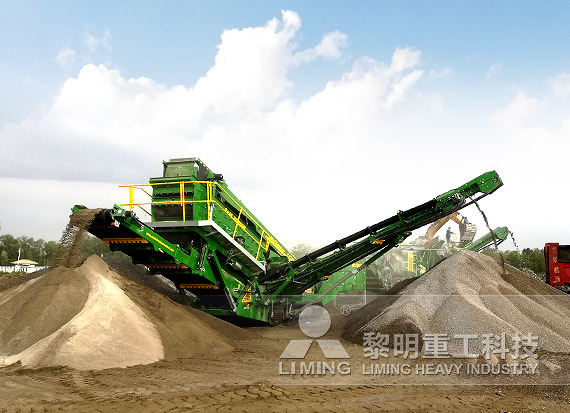 Myanmar Metal Ore Processing Solutions – 500TPH Antimony Crushing Plant & More
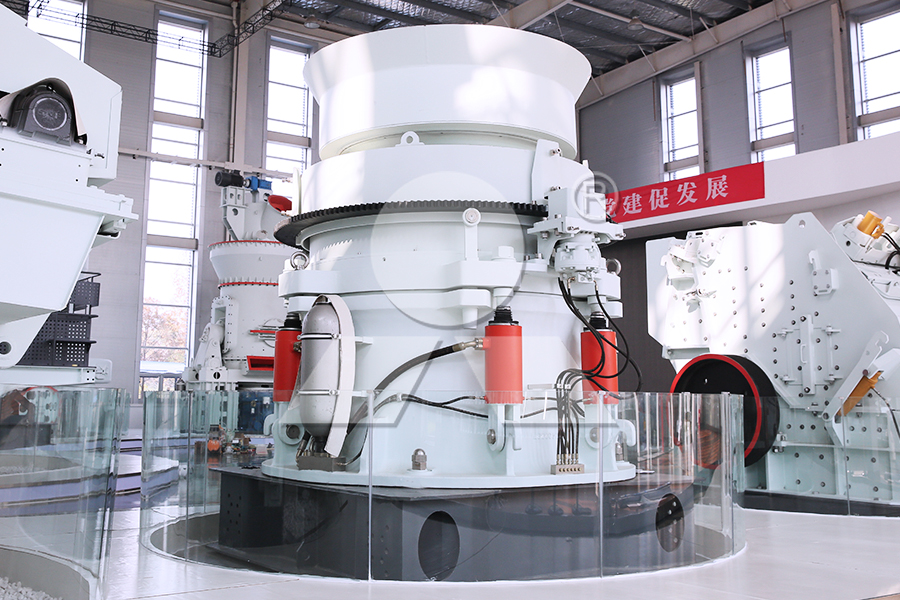 Philippines Aggregate & River Pebble Crushing Solutions – For Construction & Infrastructure
 Vietnam Tungsten Ore Processing – 120TPH Production Line & Custom Mining Solutions
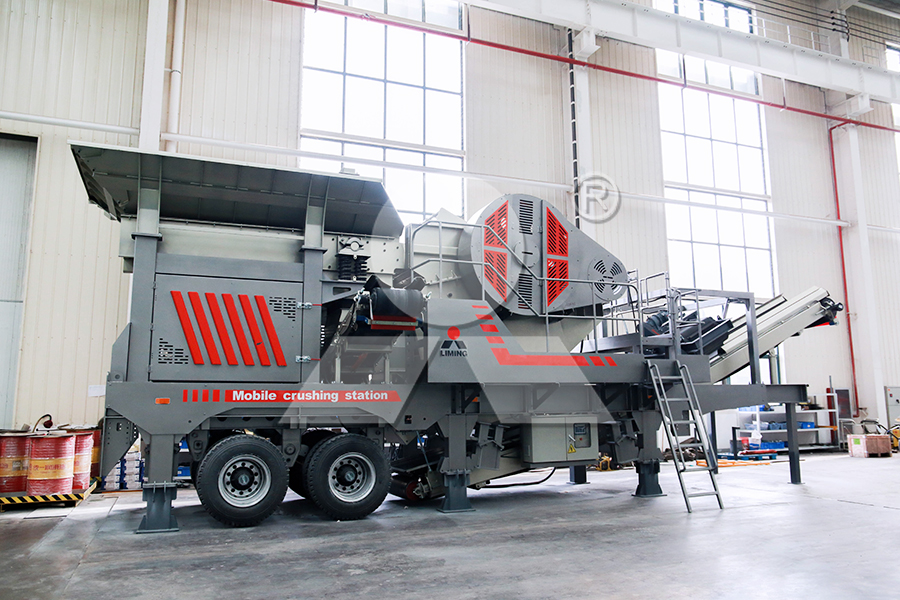
 Mobile Crushing Stations for Myanmar, Philippines & Vietnam – Flexible On-Site ProcessingIndustrial Solid Waste Recycling Solutions for MyanmarMyanmar Metal Ore Processing Solutions – 500TPH Antimony Crushing Plant & MorePhilippines Aggregate & River Pebble Crushing Solutions – For Construction & InfrastructureVietnam Tungsten Ore Processing – 120TPH Production Line & Custom Mining SolutionsMobile Crushing Stations for Myanmar, Philippines & Vietnam – Flexible On-Site ProcessingIndustrial Solid Waste Recycling Solutions for Myanmar