
Search
1. Characteristics and utilization value of river pebblesRiver pebbles are natural stones formed by long-term natural weathering and water erosion. They have high hardness (Mohs hardness is about 7), strong wear resistance and stable chemical pr
1. Characteristics and utilization value of river pebbles
River pebbles are natural stones formed by long-term natural weathering and water erosion. They have high hardness (Mohs hardness is about 7), strong wear resistance and stable chemical properties. They are widely used in building aggregates, water conservancy projects, decorative building materials and other fields. With the depletion of natural sand resources, crushing and making river pebbles through machine-made sand production lines has become an important source of green building materials.
2. Core equipment of river pebble production lines
Coarse crushing stage: jaw crusher is used to crush large river pebbles (≤1200mm) to 100-200mm, with high crushing ratio and strong compressive resistance.
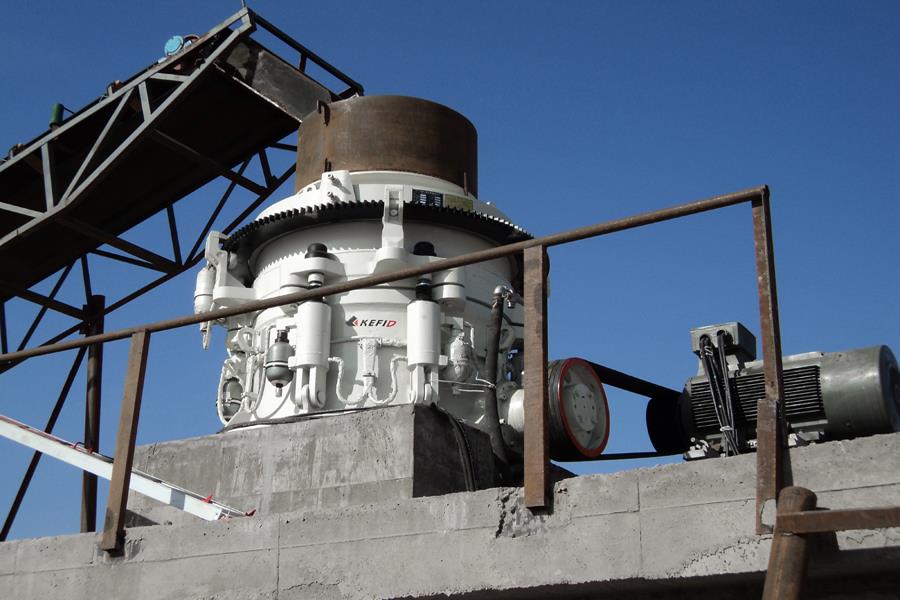
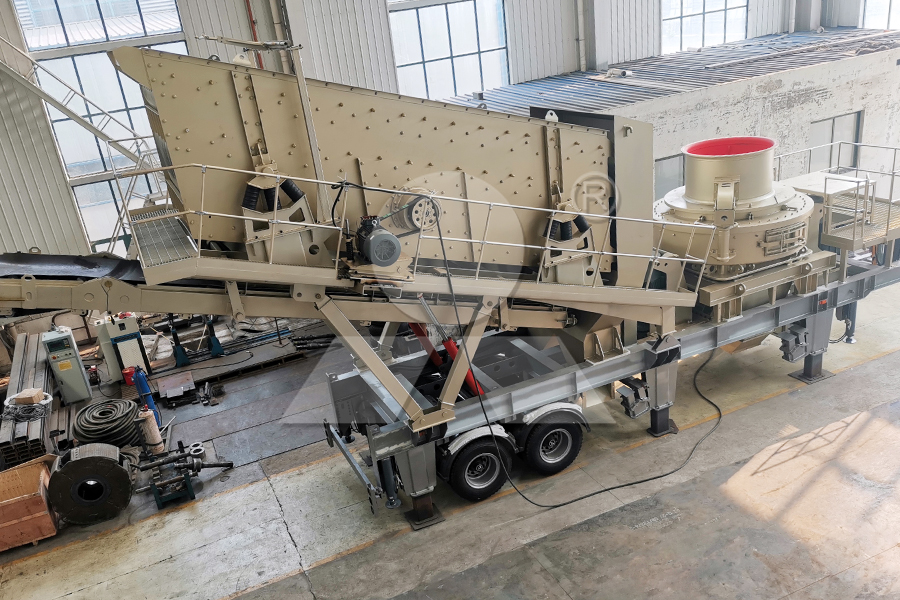
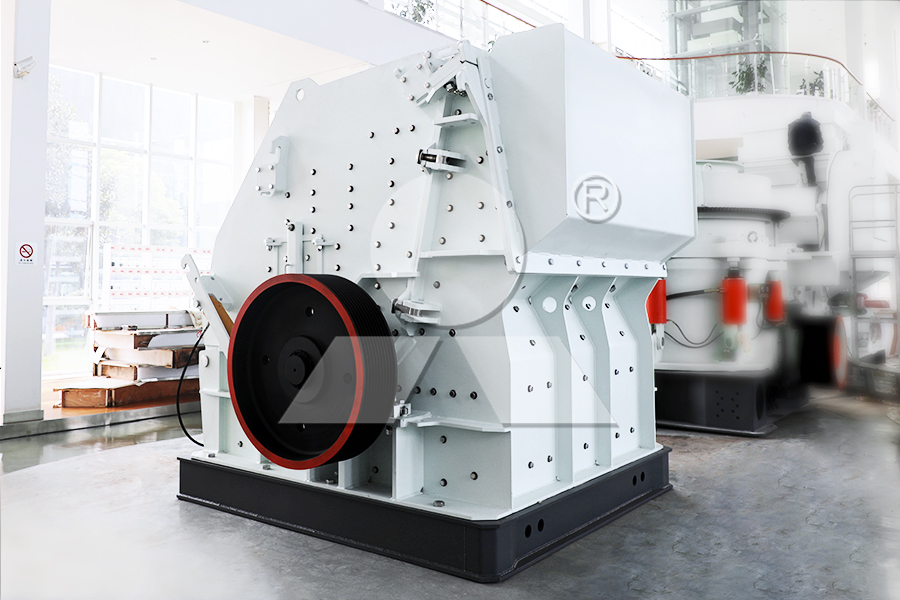
Medium and fine crushing stage: cone crusher or impact crusher is used for secondary crushing to produce intermediate materials below 40mm to ensure the efficiency of subsequent sand making.
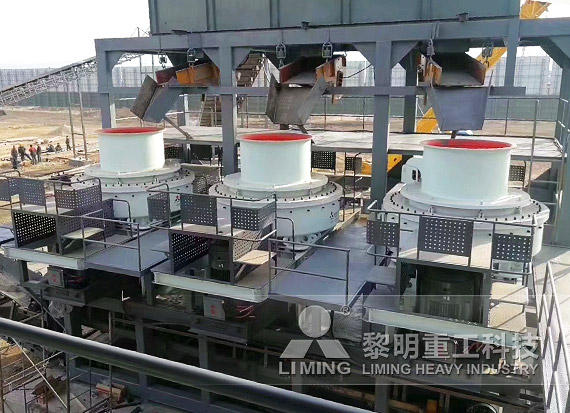
Sand making stage: vertical shaft impact sand making machine (such as VSI6X) crushes stones into 0-5mm machine-made sand through the principle of "stone hitting stone" or "stone hitting iron", with rounded particles and excellent gradation.
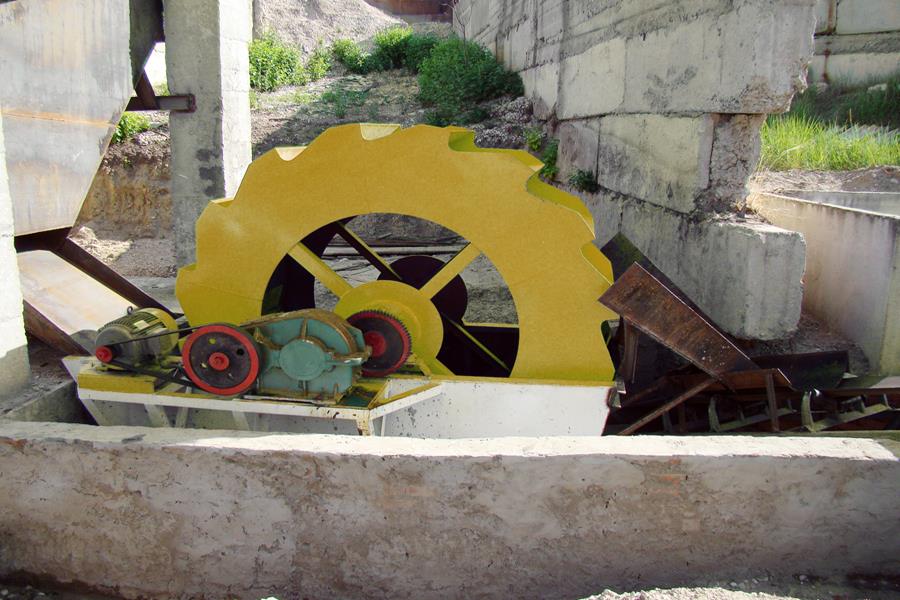
Auxiliary equipment: vibrating screen, sand washer, fine sand recovery device and dust removal system to ensure the purity of finished products and environmental protection standards.
3. Process flow and advantages
Closed-loop design: The stones that do not meet the standards are returned to the sand making machine for reprocessing after screening, and the resource utilization rate reaches more than 95%.
Intelligent control: The automated assembly line reduces labor costs, and the output of 50-500 tons per hour is flexible and adjustable to meet the needs of different scales.
Environmental protection and energy saving: Dry production is equipped with a dust collector, and wet production adopts a sewage circulation system, and dust emissions are less than 20mg/m³.
Finished product quality: The machine-made sand meets the GB/T 14684-2022 standard, the powder content is controllable (3%-15%), and it is suitable for high-strength concrete.
4. Return on investment analysis
Take the 200-ton production line as an example:
Equipment investment: about 1.5-3 million yuan (depending on the configuration).
Operating cost: The comprehensive cost of power consumption, replacement of wearing parts, etc. is about 5-8 yuan/ton.
Profit calculation: The market price of machine-made sand is 60-100 yuan/ton. Based on an average daily operation of 10 hours, the cost can be recovered in 3-6 months.
V. Application Cases
An Anhui building materials company uses Liming Heavy Industry's river pebble production line, which produces 500,000 tons of machine-made sand per year for local high-speed rail construction. Its finished products have passed ISO certification and have a significant effect in replacing natural sand.
Conclusion
The river pebble production line is both economical and sustainable. Through scientific configuration of equipment and processes, it can efficiently transform natural resources into high-quality sand and gravel aggregates. Choosing professional manufacturers (such as suppliers providing EPC general contracting services) can further ensure the stable operation and long-term benefits of the project.

Previous: SMP Crusher
Next: SMP Crusher
1. Characteristics and utilization value of river pebblesRiver pebbles are natural stones formed by long-term natural weathering and water erosion. They have high hardness (Mohs hardness is about 7), strong wear resistance and stable chemical pr
1. Characteristics and utilization value of river pebbles
River pebbles are natural stones formed by long-term natural weathering and water erosion. They have high hardness (Mohs hardness is about 7), strong wear resistance and stable chemical properties. They are widely used in building aggregates, water conservancy projects, decorative building materials and other fields. With the depletion of natural sand resources, crushing and making river pebbles through machine-made sand production lines has become an important source of green building materials.
2. Core equipment of river pebble production lines
Coarse crushing stage: jaw crusher is used to crush large river pebbles (≤1200mm) to 100-200mm, with high crushing ratio and strong compressive resistance.
Medium and fine crushing stage: cone crusher or impact crusher is used for secondary crushing to produce intermediate materials below 40mm to ensure the efficiency of subsequent sand making.
Sand making stage: vertical shaft impact sand making machine (such as VSI6X) crushes stones into 0-5mm machine-made sand through the principle of "stone hitting stone" or "stone hitting iron", with rounded particles and excellent gradation.
Auxiliary equipment: vibrating screen, sand washer, fine sand recovery device and dust removal system to ensure the purity of finished products and environmental protection standards.
3. Process flow and advantages
Closed-loop design: The stones that do not meet the standards are returned to the sand making machine for reprocessing after screening, and the resource utilization rate reaches more than 95%.
Intelligent control: The automated assembly line reduces labor costs, and the output of 50-500 tons per hour is flexible and adjustable to meet the needs of different scales.
Environmental protection and energy saving: Dry production is equipped with a dust collector, and wet production adopts a sewage circulation system, and dust emissions are less than 20mg/m³.
Finished product quality: The machine-made sand meets the GB/T 14684-2022 standard, the powder content is controllable (3%-15%), and it is suitable for high-strength concrete.
4. Return on investment analysis
Take the 200-ton production line as an example:
Equipment investment: about 1.5-3 million yuan (depending on the configuration).
Operating cost: The comprehensive cost of power consumption, replacement of wearing parts, etc. is about 5-8 yuan/ton.
Profit calculation: The market price of machine-made sand is 60-100 yuan/ton. Based on an average daily operation of 10 hours, the cost can be recovered in 3-6 months.
V. Application Cases
An Anhui building materials company uses Liming Heavy Industry's river pebble production line, which produces 500,000 tons of machine-made sand per year for local high-speed rail construction. Its finished products have passed ISO certification and have a significant effect in replacing natural sand.
Conclusion
The river pebble production line is both economical and sustainable. Through scientific configuration of equipment and processes, it can efficiently transform natural resources into high-quality sand and gravel aggregates. Choosing professional manufacturers (such as suppliers providing EPC general contracting services) can further ensure the stable operation and long-term benefits of the project.
Previous: SMP Crusher
Next: SMP Crusher
 Iron ore crushing production line: efficient processing and resource utilization
 Detailed explanation of copper ore processing production line: the whole process from raw materials to refined powder
 Detailed explanation of basalt crushing production line configuration plan
 Gold ore production line: the core process of gold refining
 Shanxi Jincheng 600t/h limestone production lineIron ore crushing production line: efficient processing and resource utilizationDetailed explanation of copper ore processing production line: the whole process from raw materials to refined powderDetailed explanation of basalt crushing production line configuration planGold ore production line: the core process of gold refiningShanxi Jincheng 600t/h limestone production line