
Search
**Keywords**: spodumene graphite flotation reagent, lithium graphite flotation control, graphite spodumene separation reagentMany spodumene-graphite co-ore plants suffer unstable flotation results because of inconsistent reagent feeding. A plant
**Keywords**: spodumene graphite flotation reagent, lithium graphite flotation control, graphite spodumene separation reagent
Many spodumene-graphite co-ore plants suffer unstable flotation results because of inconsistent reagent feeding. A plant in Zambia built an automatic reagent dosing system paired with their existing crushing and flotation circuit. The ore is mica-bearing pegmatite with fluctuating graphite and lithium content from different mining zones.
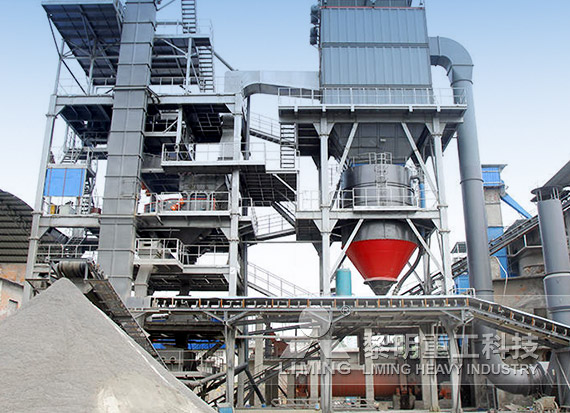
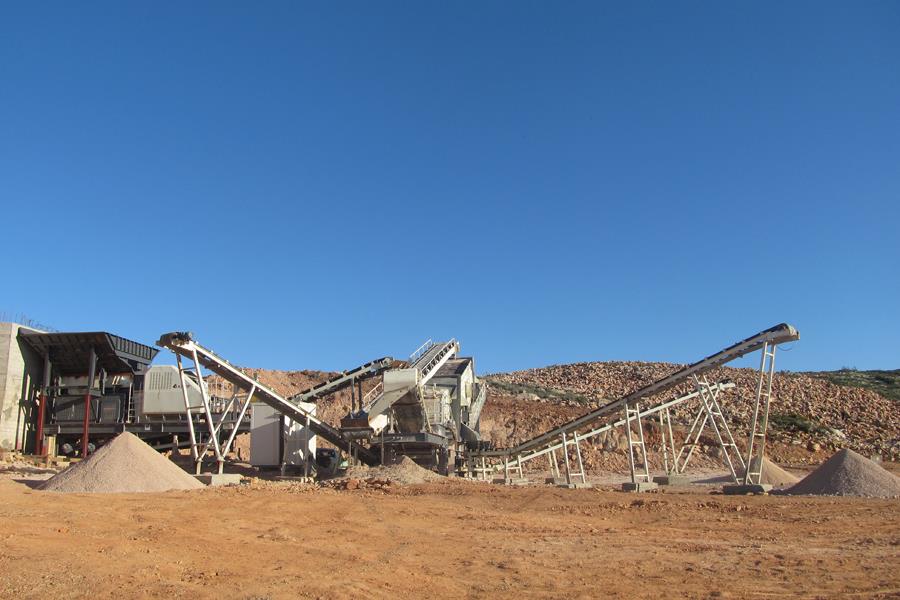
The crushing circuit uses C6X jaw and HST cone to produce consistent flotation feed size. Online XRF analysers track Li₂O and fixed carbon in real time, and the automatic dosing pump adjusts graphite collector, spodumene collector and mica depressant dosage automatically. The plant uses staged flotation: graphite is floated first, then spodumene, to avoid reagent conflict. After installing the control system, graphite concentrate purity variation dropped sharply, spodumene recovery rose by 4.7%, and reagent consumption decreased by 26%.
### FAQ
Q1: Why float graphite first before spodumene?
A1: Graphite is naturally floatable. If spodumene collector is added first, graphite will consume lithium reagents and contaminate spodumene concentrate.
Q2: Which reagent suppresses mica in spodumene graphite flotation?
A2: Sodium silicate and modified starch are common mica depressants; dosage must be adjusted according to mica content.
Q3: Can manual dosing achieve the same stable result?
A3: Hardly, especially when ore mineralogy changes every shift. Manual dosing always causes grade and recovery fluctuation.

Previous: SMP Crusher
Next: SMP Crusher
**Keywords**: spodumene graphite flotation reagent, lithium graphite flotation control, graphite spodumene separation reagentMany spodumene-graphite co-ore plants suffer unstable flotation results because of inconsistent reagent feeding. A plant
**Keywords**: spodumene graphite flotation reagent, lithium graphite flotation control, graphite spodumene separation reagent
Many spodumene-graphite co-ore plants suffer unstable flotation results because of inconsistent reagent feeding. A plant in Zambia built an automatic reagent dosing system paired with their existing crushing and flotation circuit. The ore is mica-bearing pegmatite with fluctuating graphite and lithium content from different mining zones.
The crushing circuit uses C6X jaw and HST cone to produce consistent flotation feed size. Online XRF analysers track Li₂O and fixed carbon in real time, and the automatic dosing pump adjusts graphite collector, spodumene collector and mica depressant dosage automatically. The plant uses staged flotation: graphite is floated first, then spodumene, to avoid reagent conflict. After installing the control system, graphite concentrate purity variation dropped sharply, spodumene recovery rose by 4.7%, and reagent consumption decreased by 26%.
### FAQ
Q1: Why float graphite first before spodumene?
A1: Graphite is naturally floatable. If spodumene collector is added first, graphite will consume lithium reagents and contaminate spodumene concentrate.
Q2: Which reagent suppresses mica in spodumene graphite flotation?
A2: Sodium silicate and modified starch are common mica depressants; dosage must be adjusted according to mica content.
Q3: Can manual dosing achieve the same stable result?
A3: Hardly, especially when ore mineralogy changes every shift. Manual dosing always causes grade and recovery fluctuation.
Previous: SMP Crusher
Next: SMP Crusher