
Search
**Keywords**: spodumene graphite tailings retreatment, old lithium graphite tailings recovery, HST cone regrinding tailings, lithium graphite tailings reprocessingWestern Australia hosts several older lithium pegmatite mines that operated before
**Keywords**: spodumene graphite tailings retreatment, old lithium graphite tailings recovery, HST cone regrinding tailings, lithium graphite tailings reprocessing
Western Australia hosts several older lithium pegmatite mines that operated before modern spodumene-graphite separation flowsheets were mature. One site built in 2016 left behind a large tailings stockpile containing locked spodumene-graphite intergrowths. At the time of original plant design, metallurgical knowledge for co-ore separation was limited, so any interlocked grains were discarded to tailings. Recent mineralogical reassays showed the tailings stockpile averaged 0.78% Li₂O and 2.3% fixed carbon in graphite, representing millions of dollars of contained value. The challenge was that the tailings material was already fine, but many composite grains remained unliberated; careless regrinding would destroy graphite flakes.
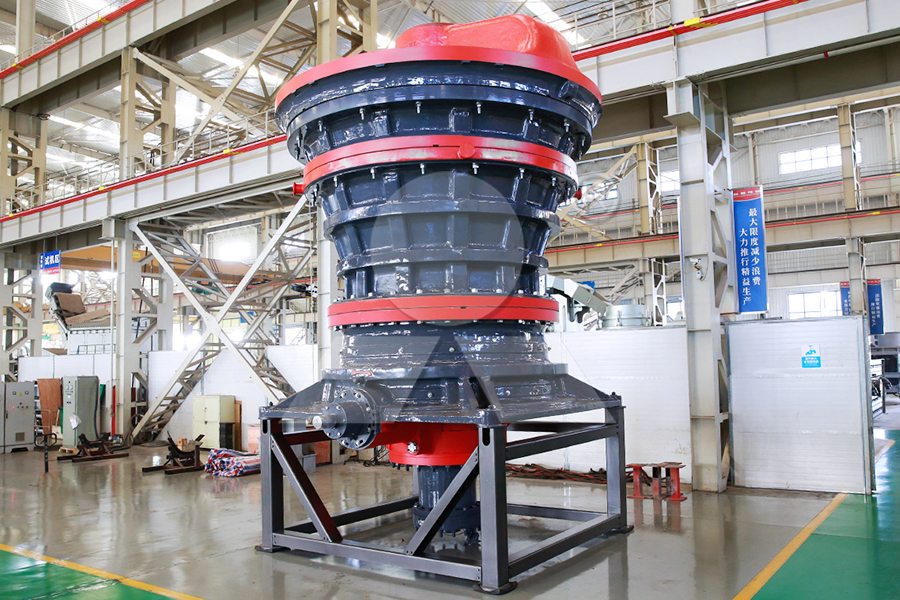
We designed a dedicated tailings retreatment crushing and regrinding circuit. The tailings material is recovered from the stockpile using a front loader, fed to a scrubber to remove dried clay crusts, then screened to remove tramp debris and oversize agglomerates. The locked intergrowth oversize fraction is sent to a HST fine hydraulic cone crusher for selective re-crushing, in closed circuit with a high-frequency screen. Only grains that are newly liberated after cone crushing advance to the flotation circuit; fully liberated barren gangue is screened out and sent to final waste. We avoided ball mill-only regrinding, because high-energy tumbling destroys graphite flake structure.
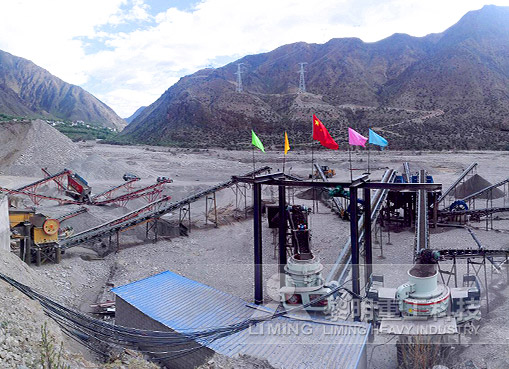
The retreatment plant runs 20 hours per day, processing 75 tph of tailings feed. After 12 months of operation, the plant recovered spodumene concentrate at 6.0% Li₂O and graphite concentrate at 95% fixed carbon from the historic waste stockpile. The project also delivered environmental benefits: removing valuable mineral from the tailings reduces the geochemical risk of the storage facility, and the residual tailings after retreatment are less reactive. The project payback period was calculated at 2.7 years, supported by strong lithium and graphite pricing. The mine operator is now evaluating a second retreatment module to process a neighbouring older tailings dam.
This project highlights a growing trend: historic lithium-graphite tailings are often low-risk secondary resources. The core technical requirement is selective, controlled compression crushing to unlock intergrowths without destroying graphite flakes, rather than indiscriminate fine grinding.
Previous: SMP Crusher
Next: SMP Crusher
**Keywords**: spodumene graphite tailings retreatment, old lithium graphite tailings recovery, HST cone regrinding tailings, lithium graphite tailings reprocessingWestern Australia hosts several older lithium pegmatite mines that operated before
**Keywords**: spodumene graphite tailings retreatment, old lithium graphite tailings recovery, HST cone regrinding tailings, lithium graphite tailings reprocessing
Western Australia hosts several older lithium pegmatite mines that operated before modern spodumene-graphite separation flowsheets were mature. One site built in 2016 left behind a large tailings stockpile containing locked spodumene-graphite intergrowths. At the time of original plant design, metallurgical knowledge for co-ore separation was limited, so any interlocked grains were discarded to tailings. Recent mineralogical reassays showed the tailings stockpile averaged 0.78% Li₂O and 2.3% fixed carbon in graphite, representing millions of dollars of contained value. The challenge was that the tailings material was already fine, but many composite grains remained unliberated; careless regrinding would destroy graphite flakes.
We designed a dedicated tailings retreatment crushing and regrinding circuit. The tailings material is recovered from the stockpile using a front loader, fed to a scrubber to remove dried clay crusts, then screened to remove tramp debris and oversize agglomerates. The locked intergrowth oversize fraction is sent to a HST fine hydraulic cone crusher for selective re-crushing, in closed circuit with a high-frequency screen. Only grains that are newly liberated after cone crushing advance to the flotation circuit; fully liberated barren gangue is screened out and sent to final waste. We avoided ball mill-only regrinding, because high-energy tumbling destroys graphite flake structure.
The retreatment plant runs 20 hours per day, processing 75 tph of tailings feed. After 12 months of operation, the plant recovered spodumene concentrate at 6.0% Li₂O and graphite concentrate at 95% fixed carbon from the historic waste stockpile. The project also delivered environmental benefits: removing valuable mineral from the tailings reduces the geochemical risk of the storage facility, and the residual tailings after retreatment are less reactive. The project payback period was calculated at 2.7 years, supported by strong lithium and graphite pricing. The mine operator is now evaluating a second retreatment module to process a neighbouring older tailings dam.
This project highlights a growing trend: historic lithium-graphite tailings are often low-risk secondary resources. The core technical requirement is selective, controlled compression crushing to unlock intergrowths without destroying graphite flakes, rather than indiscriminate fine grinding.
Previous: SMP Crusher
Next: SMP Crusher
 High Hardness Quartz-Rich Spodumene Graphite Ore in Nigeria: Wear Protection Strategy for Abrasive Pegmatite
 Spodumene Graphite Ore for Battery Anode & Cathode Supply Chain in Portugal: Low Iron Contamination Crushing Circuit
 Seasonal Water Scarcity Spodumene Graphite Mine in Namibia: Dry Pre-Concentration Before Limited-Water Flotation
 Coarse Flake Graphite Spodumene Ore in Madagascar: Delayed Grinding Strategy to Protect Large Graphite Flakes
 Spodumene Graphite Ore with Pyrite Impurity in Mali: Crushing + Magnetic Separation to Remove Sulphide GangueHigh Hardness Quartz-Rich Spodumene Graphite Ore in Nigeria: Wear Protection Strategy for Abrasive PegmatiteSpodumene Graphite Ore for Battery Anode & Cathode Supply Chain in Portugal: Low Iron Contamination Crushing CircuitSeasonal Water Scarcity Spodumene Graphite Mine in Namibia: Dry Pre-Concentration Before Limited-Water FlotationCoarse Flake Graphite Spodumene Ore in Madagascar: Delayed Grinding Strategy to Protect Large Graphite FlakesSpodumene Graphite Ore with Pyrite Impurity in Mali: Crushing + Magnetic Separation to Remove Sulphide Gangue
