
Search
Metallic minerals refer to minerals from which a metallic element or compound can be extracted for industrial use. As of the end of 2022, 173 types of minerals had been discovered in the country, of which 59 are metallic. Metallic ores
Metallic minerals are minerals from which a metallic element or compound can be extracted for industrial use. As of the end of 2022, 173 types of minerals had been discovered in the country, of which 59 are metallic. Metallic ores are minerals or rocks containing a certain amount and quality of metallic elements found in the earth's crust, usually consisting of metallic minerals (naturally occurring compounds containing metallic elements) or ores (minerals containing a sufficiently high concentration of metal).
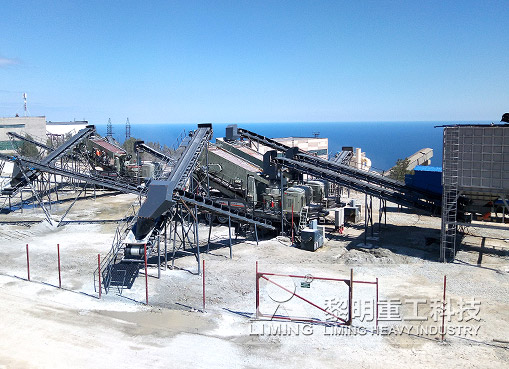
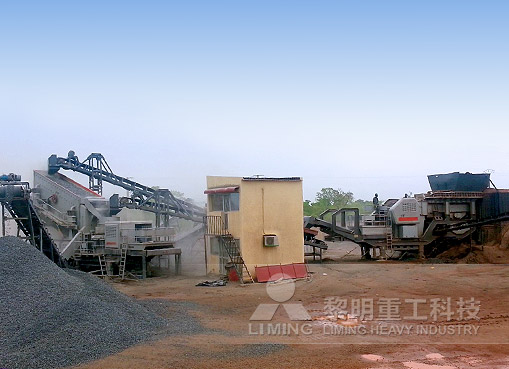
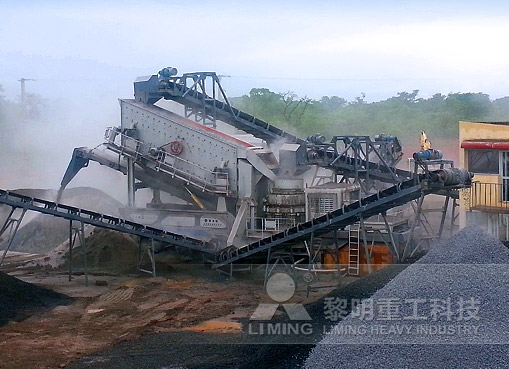
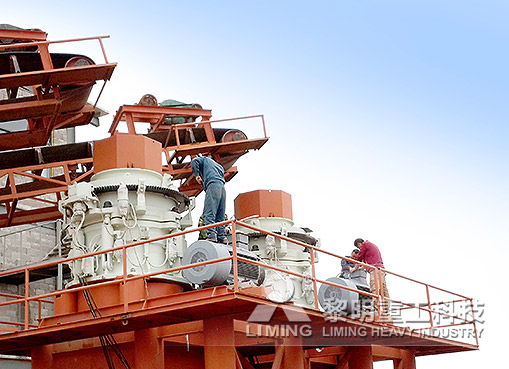
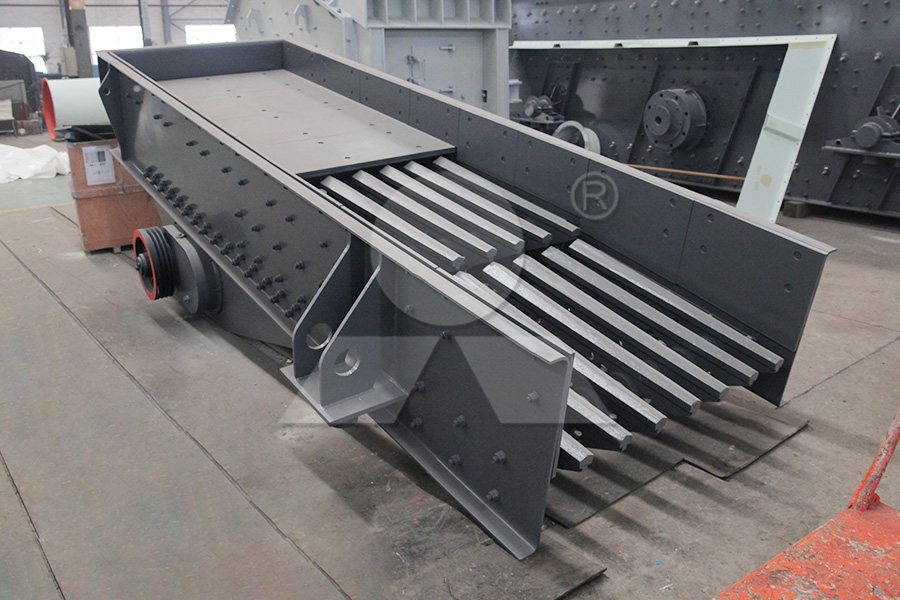
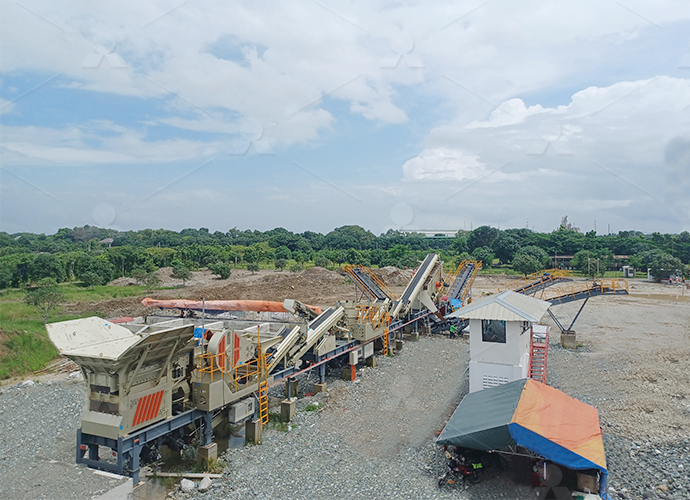
Additional examples of equipment for crushing metallic ores are available for reference:
I. Different types of minerals: Metallic mines mainly extract metallic minerals such as iron, copper, and aluminum. These metallic minerals contain metallic elements and can be processed to produce metallic products. Non-metallic mines mainly extract non-metallic minerals such as gypsum, marble, and silica. These minerals do not contain metallic elements and cannot be processed into metallic products; they are mainly used in construction and fertilizer production.
II. Different mining difficulties: Metallic ores are often mixed with other minerals in the earth's crust. The mining process results in a large amount of waste and pollutants, making mining difficult. Non-metallic minerals are relatively easy to mine, produce less waste and pollutants, and the mining process itself is simpler. However, the extraction of non-metallic minerals does have a certain impact on the environment and the safety of miners.
III. Various Applications Metallic minerals have many other uses besides the production of metal products. For example, copper is used in the production of wires and pipes, and metallization is used for decorative purposes. Non-metallic minerals are mainly used in construction and the chemical industry, playing an important role in manufacturing.
IV. Different Mining Methods Metallic mines are mainly mined underground or by open-pit methods, while non-metallic mines are mined by open-pit and tunnel methods. Since non-metallic minerals do not require complex processing such as smelting, the mining methods are relatively simple.
In summary, there are significant differences between mines developing metallic and non-metallic ores in terms of types of minerals, complexity of extraction, purpose, and mining methods. It is necessary to choose the appropriate type of mine based on individual needs and conditions.
For more efficient crushing of metallic ores, Shibang Group offers a range of efficient and reliable equipment. Shibang Group's crushing equipment includes jaw crushers, cone crushers, impact crushers, and mobile crushing plants. These machines utilize advanced technologies to process various types of metallic ores, increasing production efficiency, reducing operating costs, and meeting the needs of various customers.

Previous: SMP Crusher
Next: SMP Crusher
Metallic minerals refer to minerals from which a metallic element or compound can be extracted for industrial use. As of the end of 2022, 173 types of minerals had been discovered in the country, of which 59 are metallic. Metallic ores
Metallic minerals are minerals from which a metallic element or compound can be extracted for industrial use. As of the end of 2022, 173 types of minerals had been discovered in the country, of which 59 are metallic. Metallic ores are minerals or rocks containing a certain amount and quality of metallic elements found in the earth's crust, usually consisting of metallic minerals (naturally occurring compounds containing metallic elements) or ores (minerals containing a sufficiently high concentration of metal).
Additional examples of equipment for crushing metallic ores are available for reference:
I. Different types of minerals: Metallic mines mainly extract metallic minerals such as iron, copper, and aluminum. These metallic minerals contain metallic elements and can be processed to produce metallic products. Non-metallic mines mainly extract non-metallic minerals such as gypsum, marble, and silica. These minerals do not contain metallic elements and cannot be processed into metallic products; they are mainly used in construction and fertilizer production.
II. Different mining difficulties: Metallic ores are often mixed with other minerals in the earth's crust. The mining process results in a large amount of waste and pollutants, making mining difficult. Non-metallic minerals are relatively easy to mine, produce less waste and pollutants, and the mining process itself is simpler. However, the extraction of non-metallic minerals does have a certain impact on the environment and the safety of miners.
III. Various Applications Metallic minerals have many other uses besides the production of metal products. For example, copper is used in the production of wires and pipes, and metallization is used for decorative purposes. Non-metallic minerals are mainly used in construction and the chemical industry, playing an important role in manufacturing.
IV. Different Mining Methods Metallic mines are mainly mined underground or by open-pit methods, while non-metallic mines are mined by open-pit and tunnel methods. Since non-metallic minerals do not require complex processing such as smelting, the mining methods are relatively simple.
In summary, there are significant differences between mines developing metallic and non-metallic ores in terms of types of minerals, complexity of extraction, purpose, and mining methods. It is necessary to choose the appropriate type of mine based on individual needs and conditions.
For more efficient crushing of metallic ores, Shibang Group offers a range of efficient and reliable equipment. Shibang Group's crushing equipment includes jaw crushers, cone crushers, impact crushers, and mobile crushing plants. These machines utilize advanced technologies to process various types of metallic ores, increasing production efficiency, reducing operating costs, and meeting the needs of various customers.
Previous: SMP Crusher
Next: SMP Crusher
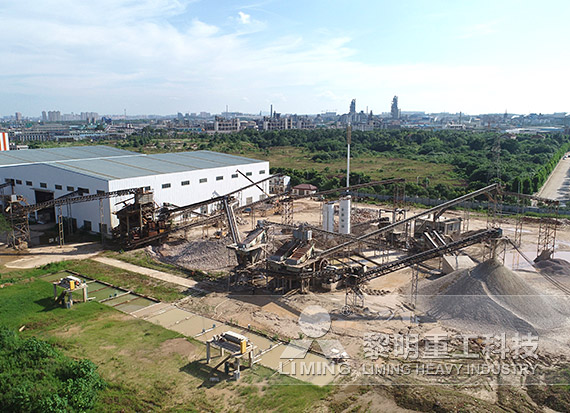 What equipment is typically used in sand and gravel production lines? What are its advantages?
 How much does a stone production line with a capacity of over 1000 tons per hour cost? How to choose equipment for a sand and crushed stone production line?Breakthrough in basalt sand production: highly efficient technology leads to a new revolution in the sand and gravel industry.
 China Railway Group Limited, which invested more than 5.2 billion yuan, won the tender to develop a super-large mine in Yunfu, Guangdong province, worth 2.52 billion yuan, and the environmental impact assessment has been approved.
 What are the advantages of the Shibang MK modular mobile crushing and screening plant?What equipment is typically used in sand and gravel production lines? What are its advantages?How much does a stone production line with a capacity of over 1000 tons per hour cost? How to choose equipment for a sand and crushed stone production line?Breakthrough in basalt sand production: highly efficient technology leads to a new revolution in the sand and gravel industry.China Railway Group Limited, which invested more than 5.2 billion yuan, won the tender to develop a super-large mine in Yunfu, Guangdong province, worth 2.52 billion yuan, and the environmental impact assessment has been approved.What are the advantages of the Shibang MK modular mobile crushing and screening plant?