
Search
Coal gangue, a waste product of coal mining, actually contains coal components as well as a large amount of impurities. How to effectively process and utilize it has become a dual challenge in terms of environmental protection and resource recovery. Th
Coal gangue, a waste product of coal mining, actually contains coal components as well as a large amount of impurities. How to effectively process and utilize it has become a dual challenge in terms of environmental protection and resource recovery. This article will explore in depth the various practical applications of crushed coal gangue, as well as the related process flows and equipment configurations.
Coal Gangue Crushing Equipment
A New Option for Energy and Building Materials
After crushing, the coal components in coal gangue can be extracted for energy production, helping to reduce the demand for raw coal and lower pollution levels. At the same time, coal gangue powder serves as a high-quality raw material for construction, suitable for producing bricks, concrete, and cement, thereby reducing construction costs and promoting resource recycling.
A New Aid for Soil Improvement
Certain components in coal gangue powder are beneficial to soil, improving soil structure and providing nutrients. Mixing coal gangue powder with soil can enhance soil fertility, making it particularly suitable for improving barren land.
Specialized Equipment and Process Flow
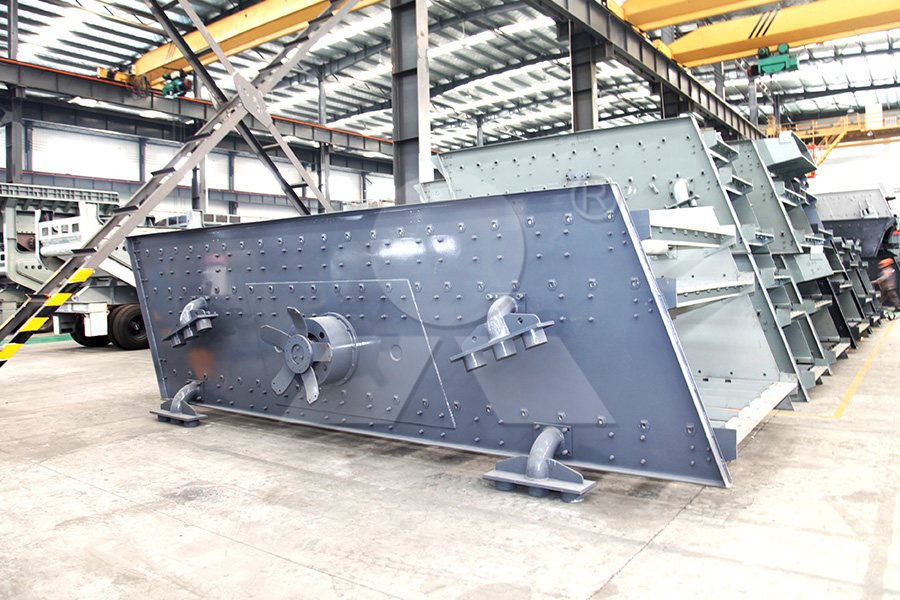
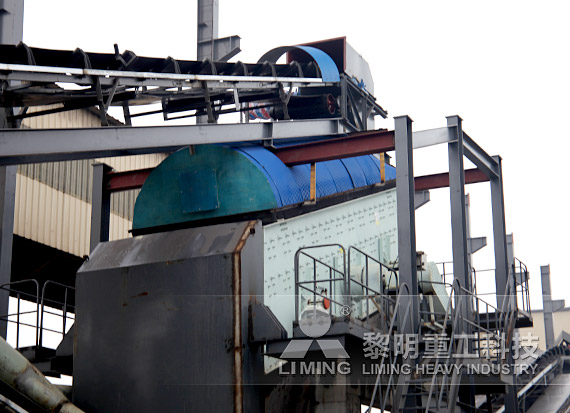
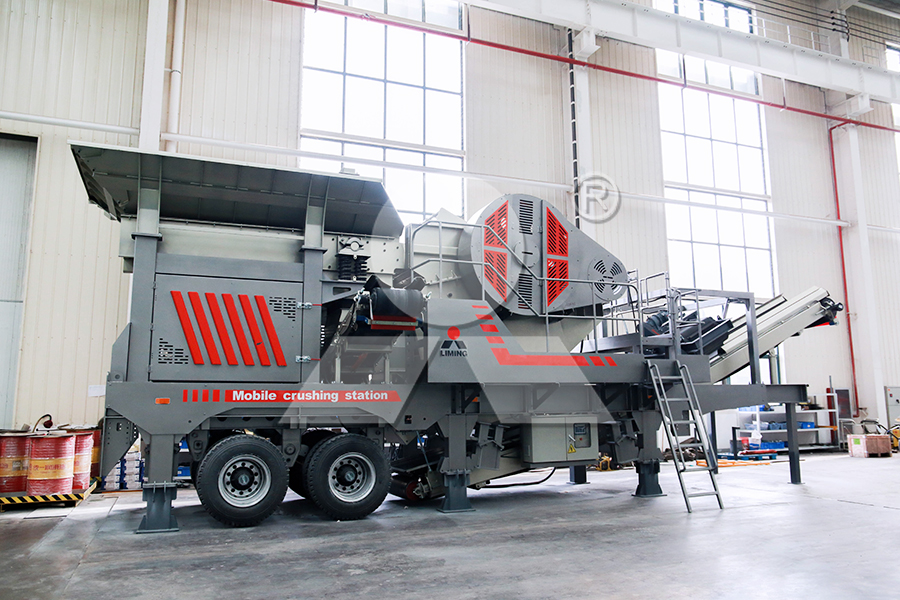
To achieve the transformative utilization of coal gangue, a suitable set of equipment is essential. Primary crushing is performed using a jaw crusher to break down large chunks of coal gangue. An impact crusher is used for further fine grinding, ensuring the final product has a cubic shape and good particle form. Sand-making machines are used to finely grind the coal gangue particles into powder, while vibrating screens and classification equipment ensure the powder’s quality and consistency.
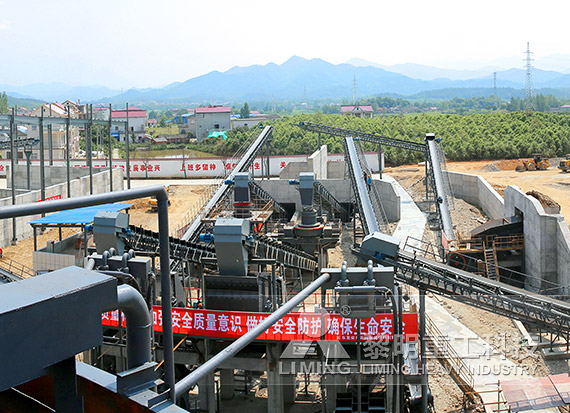
The process flow includes steps such as vibrating feeding of large coal gangue chunks, conveying, primary crushing, screening, secondary crushing, shaping, washing, and packaging and storage, ensuring the maximum release of its value.
The Future Prospects of Coal Gangue
Coal gangue, once considered waste, is now achieving a dual victory in environmental protection and resource utilization through the integration of specialized equipment and process flows. Its applications continue to expand, ranging from energy to construction materials and soil improvement. With technological advancements, we believe coal gangue will continue to demonstrate greater practical value and contribute to sustainable development!

Previous: SMP Crusher
Next: SMP Crusher
Coal gangue, a waste product of coal mining, actually contains coal components as well as a large amount of impurities. How to effectively process and utilize it has become a dual challenge in terms of environmental protection and resource recovery. Th
Coal gangue, a waste product of coal mining, actually contains coal components as well as a large amount of impurities. How to effectively process and utilize it has become a dual challenge in terms of environmental protection and resource recovery. This article will explore in depth the various practical applications of crushed coal gangue, as well as the related process flows and equipment configurations.
Coal Gangue Crushing Equipment
A New Option for Energy and Building Materials
After crushing, the coal components in coal gangue can be extracted for energy production, helping to reduce the demand for raw coal and lower pollution levels. At the same time, coal gangue powder serves as a high-quality raw material for construction, suitable for producing bricks, concrete, and cement, thereby reducing construction costs and promoting resource recycling.
A New Aid for Soil Improvement
Certain components in coal gangue powder are beneficial to soil, improving soil structure and providing nutrients. Mixing coal gangue powder with soil can enhance soil fertility, making it particularly suitable for improving barren land.
Specialized Equipment and Process Flow
To achieve the transformative utilization of coal gangue, a suitable set of equipment is essential. Primary crushing is performed using a jaw crusher to break down large chunks of coal gangue. An impact crusher is used for further fine grinding, ensuring the final product has a cubic shape and good particle form. Sand-making machines are used to finely grind the coal gangue particles into powder, while vibrating screens and classification equipment ensure the powder’s quality and consistency.
The process flow includes steps such as vibrating feeding of large coal gangue chunks, conveying, primary crushing, screening, secondary crushing, shaping, washing, and packaging and storage, ensuring the maximum release of its value.
The Future Prospects of Coal Gangue
Coal gangue, once considered waste, is now achieving a dual victory in environmental protection and resource utilization through the integration of specialized equipment and process flows. Its applications continue to expand, ranging from energy to construction materials and soil improvement. With technological advancements, we believe coal gangue will continue to demonstrate greater practical value and contribute to sustainable development!
Previous: SMP Crusher
Next: SMP Crusher
 What types of artificial sand production equipment are available
 How Do High-Quality Sand and Gravel Aggregate Production Systems Ensure Environmental Sustainability
 Clay Minerals The Cornerstone of the Future of Industry and New Energy
 Proper Usage of a 100-Mesh Ore Raymond Mill
 What should be considered when setting up a sand and gravel production line with a capacity of 100 tons per hour?What types of artificial sand production equipment are availableHow Do High-Quality Sand and Gravel Aggregate Production Systems Ensure Environmental SustainabilityClay Minerals The Cornerstone of the Future of Industry and New EnergyProper Usage of a 100-Mesh Ore Raymond MillWhat should be considered when setting up a sand and gravel production line with a capacity of 100 tons per hour?