
Search
Cassiterite tin mineral is brittle, and fine tin slime is notoriously difficult to recover. In hard rock tin mines, improper impact crushing creates massive tin slime that escapes gravity concentrators. The best practice is multi-stage compression crus
Cassiterite tin mineral is brittle, and fine tin slime is notoriously difficult to recover. In hard rock tin mines, improper impact crushing creates massive tin slime that escapes gravity concentrators. The best practice is multi-stage compression crushing with closed screening, plus early gravity recovery after each crushing stage.
Primary jaw crusher breaks boulders, cone crusher for secondary crushing. After each screening step, liberated coarse cassiterite grains are sent to jigs for recovery immediately. Only the gangue tailings locked with tin go onward for re-crushing. This “crush and recover early” principle limits further destruction of cassiterite crystals.
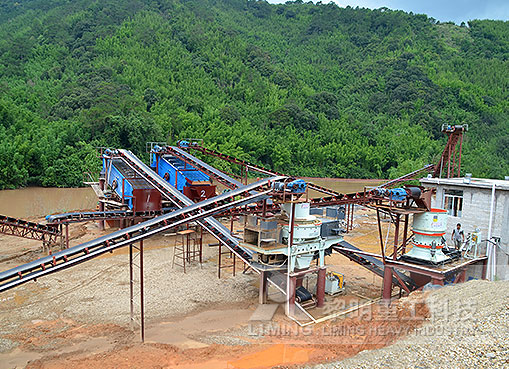
Alluvial tin deposit crushing is simpler, mostly scrubbing and screening, but hard rock lode tin needs strict control of crusher setting. The fine slime fraction still needs separate slime processing by centrifugal concentrators, but reducing slime generation at the crushing source is always the most cost-effective measure.
Keywords: cassiterite ore crushing, tin slime loss control, hard rock tin crushing circuit, tin mine early gravity recovery

Previous: SMP Crusher
Next: SMP Crusher
Cassiterite tin mineral is brittle, and fine tin slime is notoriously difficult to recover. In hard rock tin mines, improper impact crushing creates massive tin slime that escapes gravity concentrators. The best practice is multi-stage compression crus
Cassiterite tin mineral is brittle, and fine tin slime is notoriously difficult to recover. In hard rock tin mines, improper impact crushing creates massive tin slime that escapes gravity concentrators. The best practice is multi-stage compression crushing with closed screening, plus early gravity recovery after each crushing stage.
Primary jaw crusher breaks boulders, cone crusher for secondary crushing. After each screening step, liberated coarse cassiterite grains are sent to jigs for recovery immediately. Only the gangue tailings locked with tin go onward for re-crushing. This “crush and recover early” principle limits further destruction of cassiterite crystals.
Alluvial tin deposit crushing is simpler, mostly scrubbing and screening, but hard rock lode tin needs strict control of crusher setting. The fine slime fraction still needs separate slime processing by centrifugal concentrators, but reducing slime generation at the crushing source is always the most cost-effective measure.
Keywords: cassiterite ore crushing, tin slime loss control, hard rock tin crushing circuit, tin mine early gravity recovery
Previous: SMP Crusher
Next: SMP Crusher
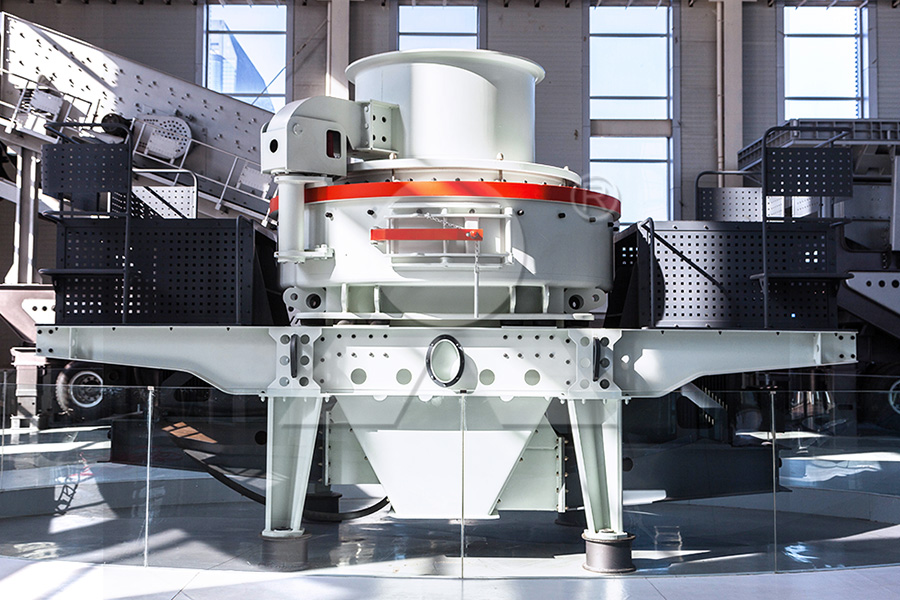 Basalt Aggregate Crushing Plant: Producing High-Strength Road Base & Surface Aggregate
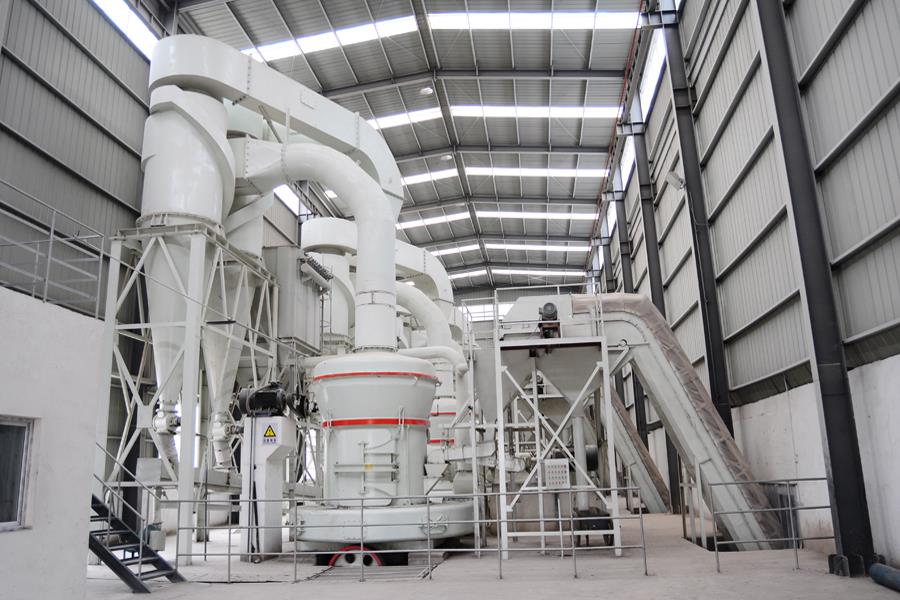 Granite Sand & Aggregate Production: Balancing Sand Yield and Stone Powder Content
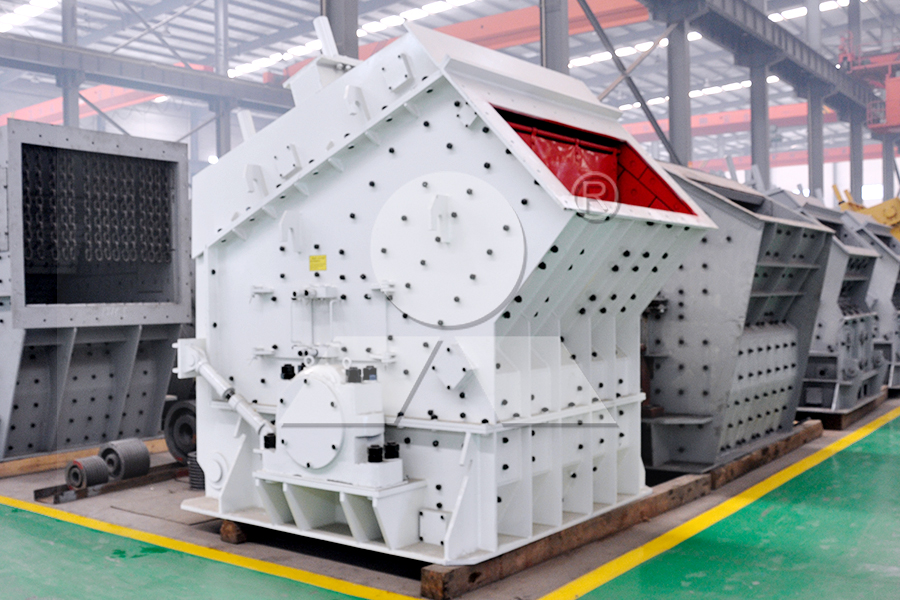 Limestone Crushing Plant for Cement Raw Meal & Construction Aggregate Dual Production
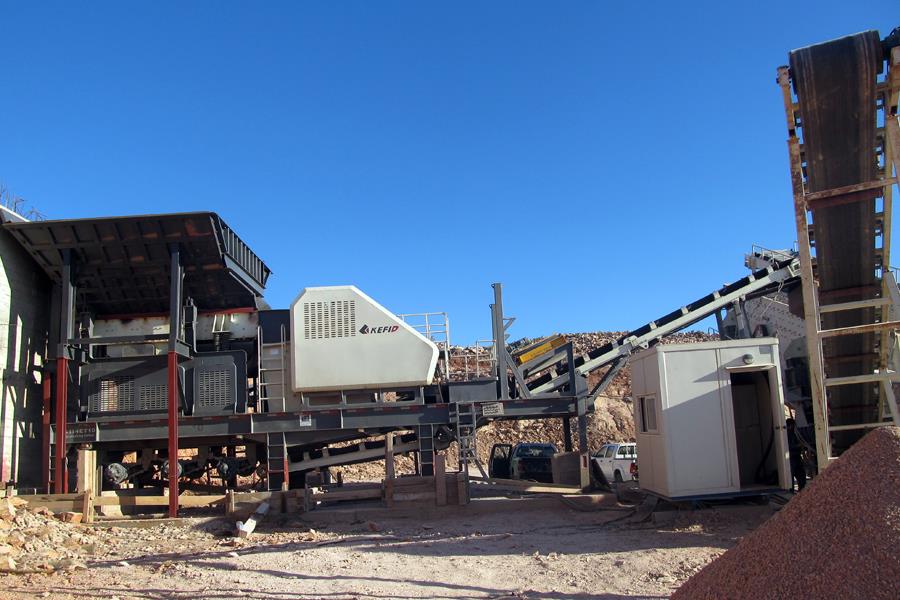 River Pebble Sand Making Plant: Wear Protection & Sand Graduation Control
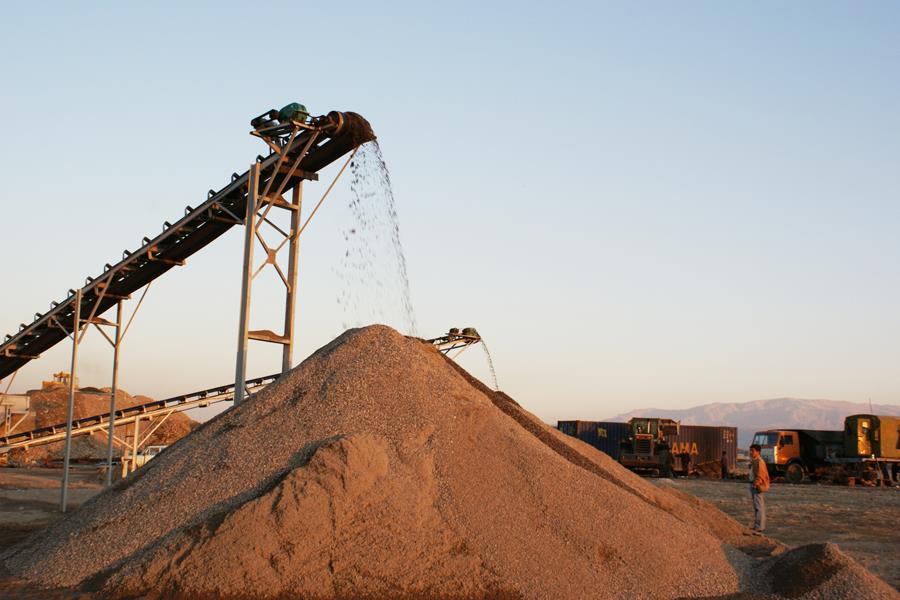 Recycled Concrete Aggregate Crushing Plant: Removal of Rebar, Clay & MortarBasalt Aggregate Crushing Plant: Producing High-Strength Road Base & Surface AggregateGranite Sand & Aggregate Production: Balancing Sand Yield and Stone Powder ContentLimestone Crushing Plant for Cement Raw Meal & Construction Aggregate Dual ProductionRiver Pebble Sand Making Plant: Wear Protection & Sand Graduation ControlRecycled Concrete Aggregate Crushing Plant: Removal of Rebar, Clay & Mortar
