
Search
Cassiterite, the main tin-bearing mineral, is heavy, brittle and prone to sliming if crushing energy is uncontrolled. Tin ore often occurs in complex vein deposits alongside pyrite, quartz, tourmaline and tungsten minerals. A common failure mode in tin
Cassiterite, the main tin-bearing mineral, is heavy, brittle and prone to sliming if crushing energy is uncontrolled. Tin ore often occurs in complex vein deposits alongside pyrite, quartz, tourmaline and tungsten minerals. A common failure mode in tin processing plants is over-grinding early in the circuit: once cassiterite becomes ultra-fine slime, gravity separation cannot capture it efficiently, and tin is lost to tailings. That makes the crushing and pre-sorting stage the most important gatekeeper for tin plant economics.
Traditional flows send all run-of-mine ore straight to crushing and ball milling. Much of that rock is barren gangue with no tin mineralization. Grinding tons of waste rock wastes power, wears grinding media and dilutes concentrate grade. Modern pre-concentration with sensor-based ore sorting removes barren rock after coarse crushing, before fine crushing and grinding. But sorting performance depends entirely on consistent particle size after primary crushing. Oversized lumps confuse the sorter, while too many fines reduce sorting accuracy.
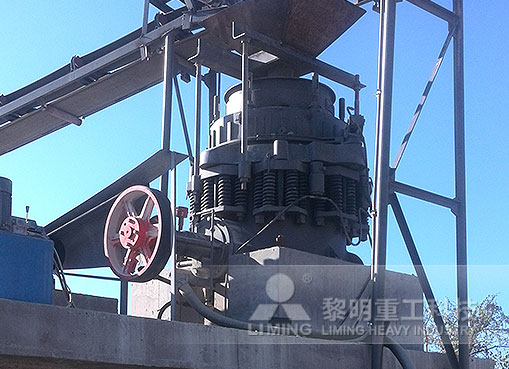
SMP tin ore processing flows combine heavy jaw coarse crushing, scrubbing to remove clay coatings, and XRT sensor ore sorting. Barren gangue is discarded right after coarse crushing, lifting the head grade of the ore entering downstream crushing stages. The remaining tin-bearing rock moves to closed-circuit cone fine crushing, locked to a tight mill feed size that optimizes cassiterite liberation while minimizing slime. All fines from screening are routed to separate slime handling circuits for specialized tin recovery.
This method cuts grinding tonnage, lowers power consumption and lifts overall tin recovery. It works well for alluvial hard tin ore, lode cassiterite deposits and mixed tin-tungsten mineralization.
**Keywords**: cassiterite crushing, tin ore pre-sorting, XRT ore sorting, tin slime loss control, tin gravity separation feed

Previous: SMP Crusher
Next: SMP Crusher
Cassiterite, the main tin-bearing mineral, is heavy, brittle and prone to sliming if crushing energy is uncontrolled. Tin ore often occurs in complex vein deposits alongside pyrite, quartz, tourmaline and tungsten minerals. A common failure mode in tin
Cassiterite, the main tin-bearing mineral, is heavy, brittle and prone to sliming if crushing energy is uncontrolled. Tin ore often occurs in complex vein deposits alongside pyrite, quartz, tourmaline and tungsten minerals. A common failure mode in tin processing plants is over-grinding early in the circuit: once cassiterite becomes ultra-fine slime, gravity separation cannot capture it efficiently, and tin is lost to tailings. That makes the crushing and pre-sorting stage the most important gatekeeper for tin plant economics.
Traditional flows send all run-of-mine ore straight to crushing and ball milling. Much of that rock is barren gangue with no tin mineralization. Grinding tons of waste rock wastes power, wears grinding media and dilutes concentrate grade. Modern pre-concentration with sensor-based ore sorting removes barren rock after coarse crushing, before fine crushing and grinding. But sorting performance depends entirely on consistent particle size after primary crushing. Oversized lumps confuse the sorter, while too many fines reduce sorting accuracy.
SMP tin ore processing flows combine heavy jaw coarse crushing, scrubbing to remove clay coatings, and XRT sensor ore sorting. Barren gangue is discarded right after coarse crushing, lifting the head grade of the ore entering downstream crushing stages. The remaining tin-bearing rock moves to closed-circuit cone fine crushing, locked to a tight mill feed size that optimizes cassiterite liberation while minimizing slime. All fines from screening are routed to separate slime handling circuits for specialized tin recovery.
This method cuts grinding tonnage, lowers power consumption and lifts overall tin recovery. It works well for alluvial hard tin ore, lode cassiterite deposits and mixed tin-tungsten mineralization.
**Keywords**: cassiterite crushing, tin ore pre-sorting, XRT ore sorting, tin slime loss control, tin gravity separation feed
Previous: SMP Crusher
Next: SMP Crusher
 Manufactured Sand for Ultra-High Performance Concrete (UHPC): Fineness, Powder Content and Particle Shape
 Nickel Laterite Ore Crushing and Agglomeration Prep for Hydrometallurgical Processing
 Gypsum Crushing Process for Plasterboard, Cement Retarder and Agricultural Gypsum
 Sulfide Lead-Zinc Ore: How Crushing Ratio Controls Selective Flotation
 Quarry Stockpile Segregation: Root Causes and Crushing-Screening Layout FixesManufactured Sand for Ultra-High Performance Concrete (UHPC): Fineness, Powder Content and Particle ShapeNickel Laterite Ore Crushing and Agglomeration Prep for Hydrometallurgical ProcessingGypsum Crushing Process for Plasterboard, Cement Retarder and Agricultural GypsumSulfide Lead-Zinc Ore: How Crushing Ratio Controls Selective FlotationQuarry Stockpile Segregation: Root Causes and Crushing-Screening Layout Fixes
