
Search
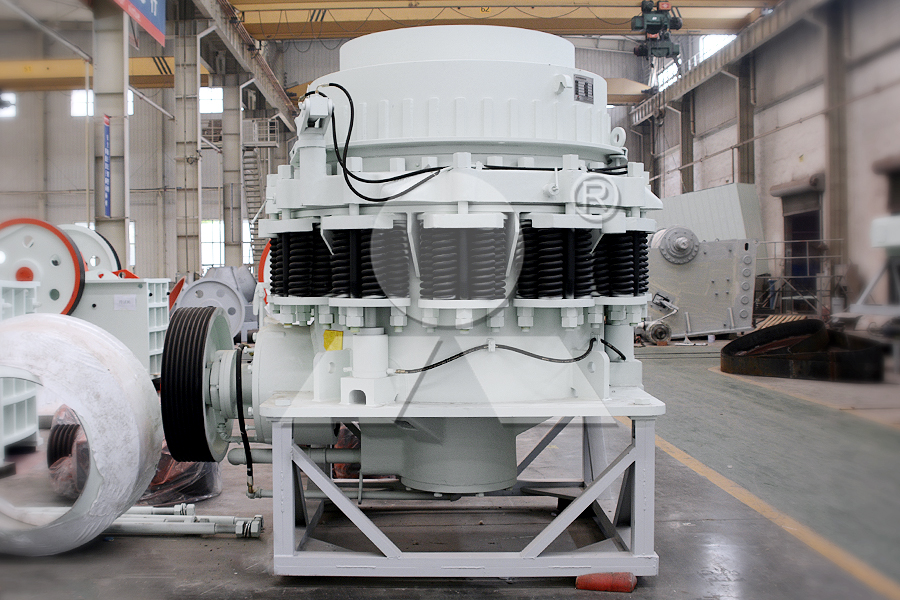
Cone crushers and jaw crushers are commonly used large-scale stone crushers. Below are some differences between them:1. Production CharacteristicsGenerally speaking, fine jaw crushers and cone crushers
Cone crushers and jaw crushers are commonly used large-scale stone crushers. Below are some differences between them:
1. Production Characteristics
Generally speaking, fine jaw crushers and cone crushers have the following characteristics:
1) Fine jaw crushers have a relatively wider feed size range, generally handling materials smaller than 1000mm, while cone crushers have stricter requirements, generally requiring materials smaller than 300mm (depending on the specific product).
Click to learn about the differences between cone crushers and jaw crushers
2) In terms of processing capacity, cone crushers far exceed fine jaw crushers, generally reaching 1000t/h, more than twice that of fine jaw crushers.
3) When handling hard materials, the compressive strength of both is basically the same, between 300-350Mpa.
2. Overall Structure
From an overall structural perspective, cone crushers are 1.7-2 times heavier than fine jaw crushers of the same feed opening size, and the machine body is generally 2-3 times taller than fine jaw crushers, resulting in higher plant construction costs.
3. Material Processing
Cone crushers are not suitable for crushing wet and sticky ores, while fine jaw crushers can handle almost all kinds of materials.

Previous: SMP Crusher
Next: SMP Crusher
Cone crushers and jaw crushers are commonly used large-scale stone crushers. Below are some differences between them:1. Production CharacteristicsGenerally speaking, fine jaw crushers and cone crushers
Cone crushers and jaw crushers are commonly used large-scale stone crushers. Below are some differences between them:
1. Production Characteristics
Generally speaking, fine jaw crushers and cone crushers have the following characteristics:
1) Fine jaw crushers have a relatively wider feed size range, generally handling materials smaller than 1000mm, while cone crushers have stricter requirements, generally requiring materials smaller than 300mm (depending on the specific product).
Click to learn about the differences between cone crushers and jaw crushers
2) In terms of processing capacity, cone crushers far exceed fine jaw crushers, generally reaching 1000t/h, more than twice that of fine jaw crushers.
3) When handling hard materials, the compressive strength of both is basically the same, between 300-350Mpa.
2. Overall Structure
From an overall structural perspective, cone crushers are 1.7-2 times heavier than fine jaw crushers of the same feed opening size, and the machine body is generally 2-3 times taller than fine jaw crushers, resulting in higher plant construction costs.
3. Material Processing
Cone crushers are not suitable for crushing wet and sticky ores, while fine jaw crushers can handle almost all kinds of materials.
Previous: SMP Crusher
Next: SMP Crusher
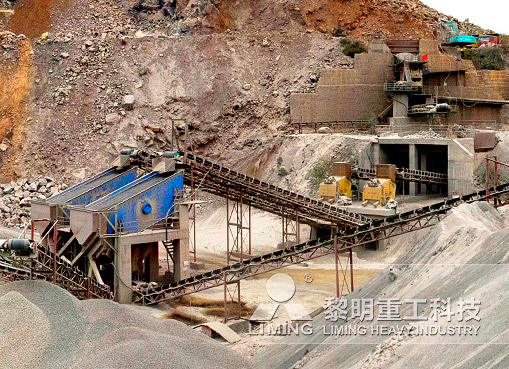 What configuration is needed for a limestone sand and gravel production line? Approximately how much does it cost?
 What equipment is needed for a manufactured sand production line? How much does a set cost?
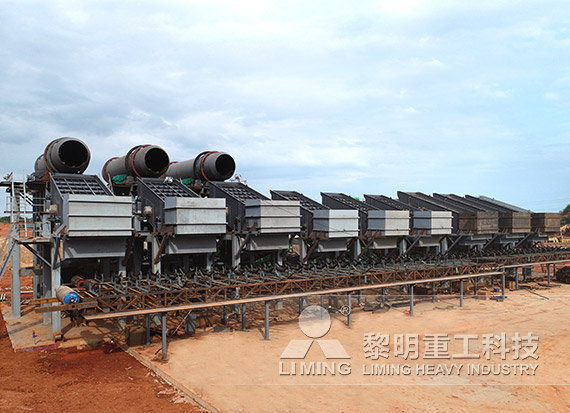 Sand and gravel aggregate equipment: producing high-quality sand and gravel to support the construction of the Yuqie Desert Highway.
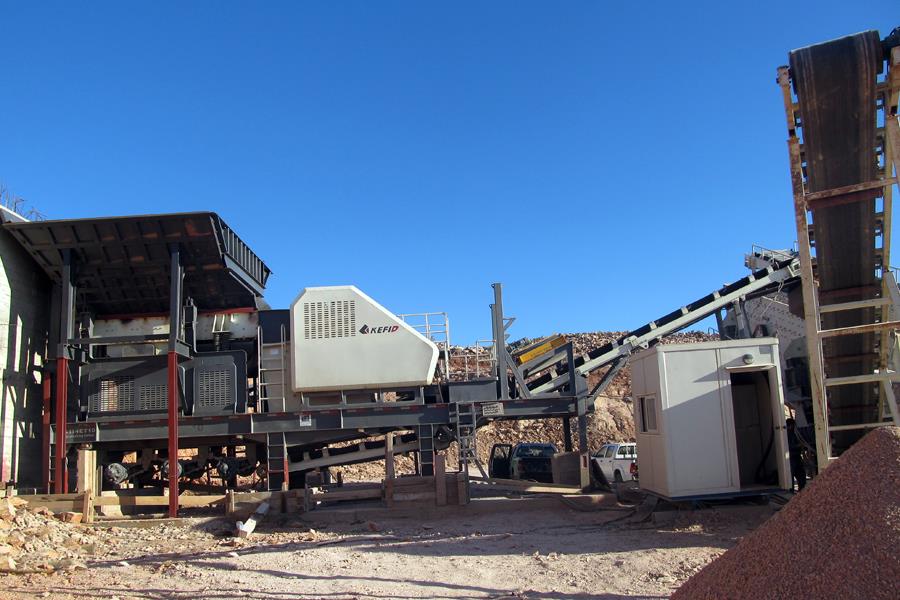
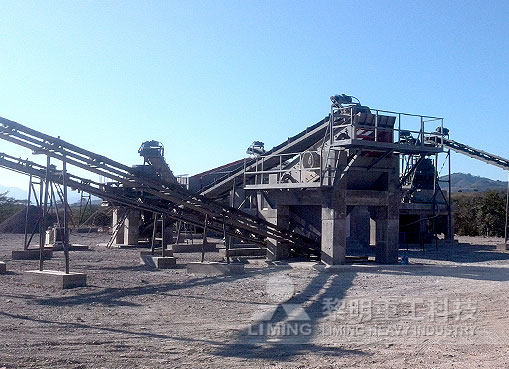
 What configuration options are available for a mobile crusher with a capacity of 300 tons per hour? How much does it cost?
 A Complete Analysis of Limestone Grinding Production Lines: From Crushing to Powder Output, Understand It All in One ArticleWhat configuration is needed for a limestone sand and gravel production line? Approximately how much does it cost?What equipment is needed for a manufactured sand production line? How much does a set cost?Sand and gravel aggregate equipment: producing high-quality sand and gravel to support the construction of the Yuqie Desert Highway.What configuration options are available for a mobile crusher with a capacity of 300 tons per hour? How much does it cost?A Complete Analysis of Limestone Grinding Production Lines: From Crushing to Powder Output, Understand It All in One Article