
Search
Crushers are indispensable equipment in sand and gravel quarries; however, their high operating costs often present a significant challenge for many enterprises and managers. To address this issue, we propose the following feasible strategies:
Crushers are indispensable equipment in sand and gravel quarries; however, their high operating costs often present a significant challenge for many enterprises and managers. To address this issue, we propose the following feasible strategies:
**Regular Maintenance and Upkeep:** Establish a routine maintenance schedule—including lubrication, cleaning, and component replacement—to extend equipment lifespan, minimize malfunctions and damage, and thereby reduce repair costs.
**Operational Optimization:** Provide training for operators to ensure they understand correct operating procedures and adhere to the manufacturer's recommendations and industry best practices, thereby minimizing energy consumption and mechanical wear.
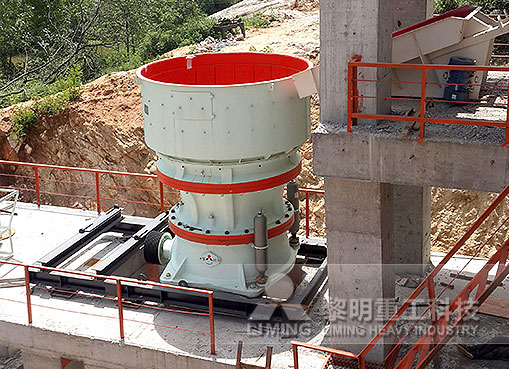
**Energy Conservation Measures:** Implement energy-saving initiatives—such as utilizing variable frequency drives (VFDs) to regulate motor speeds and adjusting equipment operating parameters based on actual production needs—to reduce overall energy consumption.
**Wear Component Optimization:** Utilize high-quality, wear-resistant components to extend their service life, reduce the frequency of replacements, and lower maintenance costs.
**Automation and Remote Monitoring:** Introduce automation technologies and remote monitoring systems to enhance production efficiency, minimize the need for manual intervention and troubleshooting, and reduce labor costs.
**Optimized Layout and Equipment Configuration:** Design logical workflows and equipment layouts to maximize the crusher's production efficiency while simultaneously reducing labor and energy consumption.
**Use of Wear-Resistant Liners:** Install wear-resistant liners in high-wear zones of the crusher to mitigate mechanical abrasion, extend the equipment's operational life, and reduce maintenance costs. Additionally, maintain a well-managed inventory of spare parts to ensure their efficient procurement and utilization.
**Equipment Monitoring and Fault Prediction:** Deploy sensors to monitor the equipment's operational status and utilize fault prediction technologies to detect issues in a timely manner. This allows for proactive intervention to prevent catastrophic failures, thereby minimizing downtime and reducing the costs associated with repairs.
By implementing the aforementioned measures, enterprises can effectively reduce the operating costs associated with crushers while simultaneously enhancing equipment utilization efficiency and overall production output. These guidelines for reducing crusher operating costs serve as an invaluable reference for sand and gravel enterprises, as well as project managers.

Previous: SMP Crusher
Next: SMP Crusher
Crushers are indispensable equipment in sand and gravel quarries; however, their high operating costs often present a significant challenge for many enterprises and managers. To address this issue, we propose the following feasible strategies:
Crushers are indispensable equipment in sand and gravel quarries; however, their high operating costs often present a significant challenge for many enterprises and managers. To address this issue, we propose the following feasible strategies:
**Regular Maintenance and Upkeep:** Establish a routine maintenance schedule—including lubrication, cleaning, and component replacement—to extend equipment lifespan, minimize malfunctions and damage, and thereby reduce repair costs.
**Operational Optimization:** Provide training for operators to ensure they understand correct operating procedures and adhere to the manufacturer's recommendations and industry best practices, thereby minimizing energy consumption and mechanical wear.
**Energy Conservation Measures:** Implement energy-saving initiatives—such as utilizing variable frequency drives (VFDs) to regulate motor speeds and adjusting equipment operating parameters based on actual production needs—to reduce overall energy consumption.
**Wear Component Optimization:** Utilize high-quality, wear-resistant components to extend their service life, reduce the frequency of replacements, and lower maintenance costs.
**Automation and Remote Monitoring:** Introduce automation technologies and remote monitoring systems to enhance production efficiency, minimize the need for manual intervention and troubleshooting, and reduce labor costs.
**Optimized Layout and Equipment Configuration:** Design logical workflows and equipment layouts to maximize the crusher's production efficiency while simultaneously reducing labor and energy consumption.
**Use of Wear-Resistant Liners:** Install wear-resistant liners in high-wear zones of the crusher to mitigate mechanical abrasion, extend the equipment's operational life, and reduce maintenance costs. Additionally, maintain a well-managed inventory of spare parts to ensure their efficient procurement and utilization.
**Equipment Monitoring and Fault Prediction:** Deploy sensors to monitor the equipment's operational status and utilize fault prediction technologies to detect issues in a timely manner. This allows for proactive intervention to prevent catastrophic failures, thereby minimizing downtime and reducing the costs associated with repairs.
By implementing the aforementioned measures, enterprises can effectively reduce the operating costs associated with crushers while simultaneously enhancing equipment utilization efficiency and overall production output. These guidelines for reducing crusher operating costs serve as an invaluable reference for sand and gravel enterprises, as well as project managers.
Previous: SMP Crusher
Next: SMP Crusher
 Iron Ore Crushing How to Choose Cost Effective Equipment
 Efficient Selection An Analysis of Fluorite Grinding Mills for the Metallurgical Industry
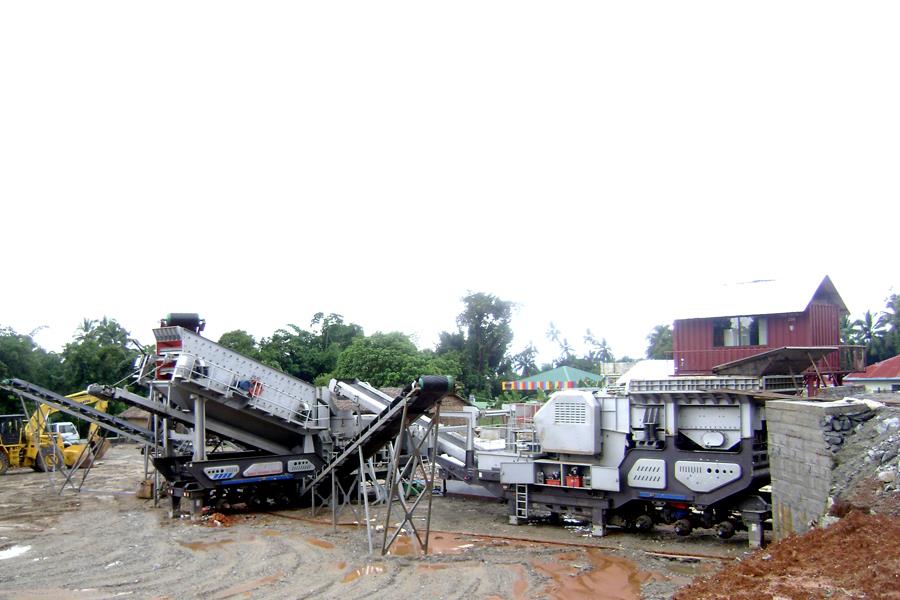 Detailed Analysis of Dolomite Crushing and Screening Technology Professional Grinding Equipment Solutions Provider
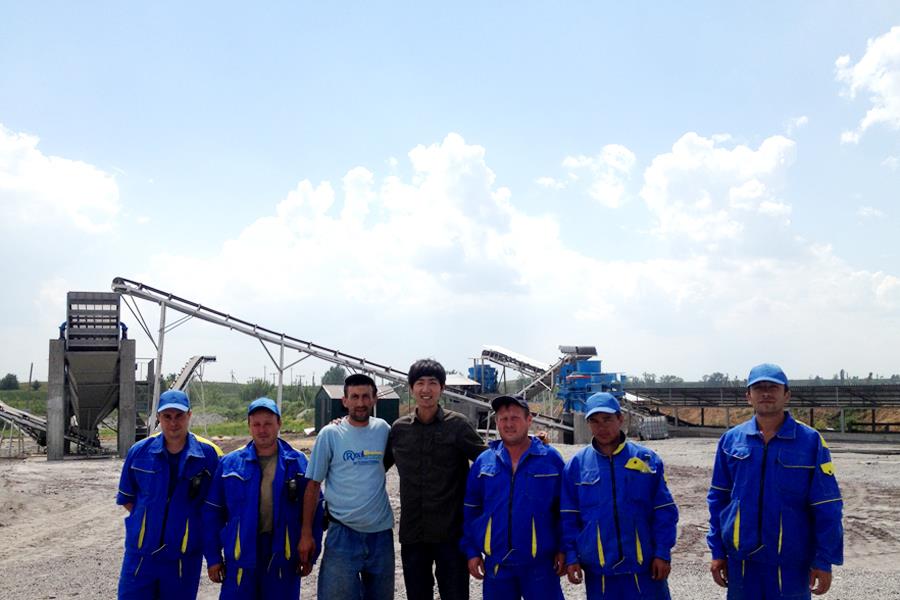 A New Approach to Iron-Cobalt Ore Processing! An In-Depth Analysis of Jaw Crushers—Are They Up to the Task?
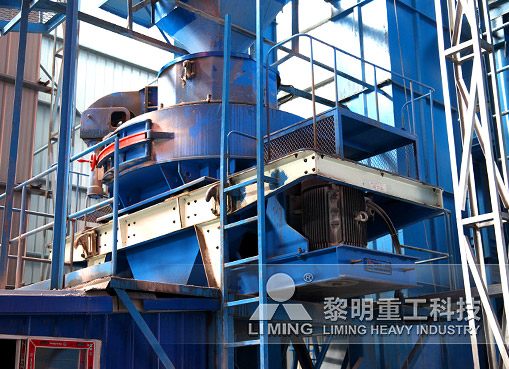 What are the differences between river sand, sea sand, desert sand, and manufactured sand, and which type is more suitable for use as construction aggregateIron Ore Crushing How to Choose Cost Effective EquipmentEfficient Selection An Analysis of Fluorite Grinding Mills for the Metallurgical IndustryDetailed Analysis of Dolomite Crushing and Screening Technology Professional Grinding Equipment Solutions ProviderA New Approach to Iron-Cobalt Ore Processing! An In-Depth Analysis of Jaw Crushers—Are They Up to the Task?What are the differences between river sand, sea sand, desert sand, and manufactured sand, and which type is more suitable for use as construction aggregate