
Search
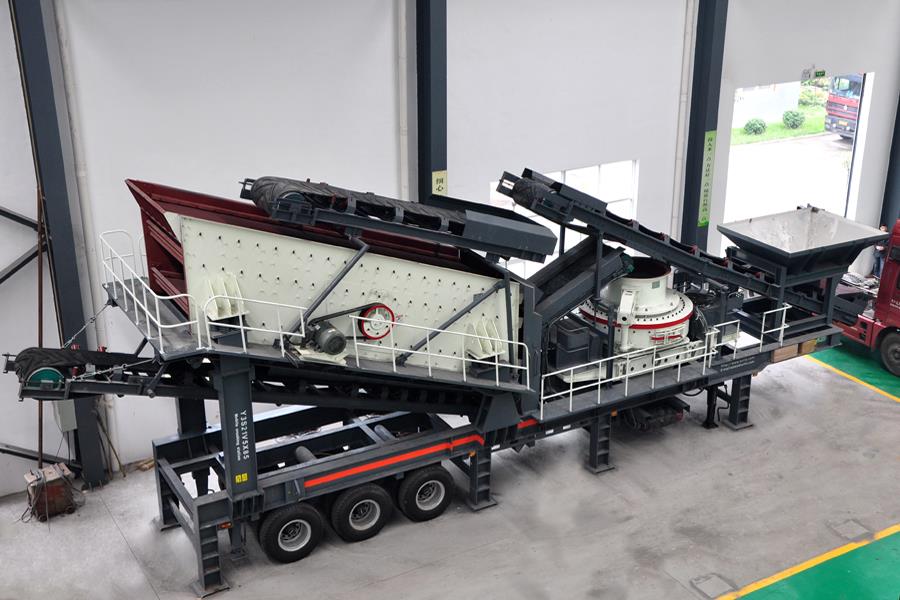
Dry-process manufactured sand systems produce finished sand without large washing tanks or settling ponds. They rely on air classifiers to separate stone powder and control fines content, unlike wet sand plants that use water for mud removal.Dry
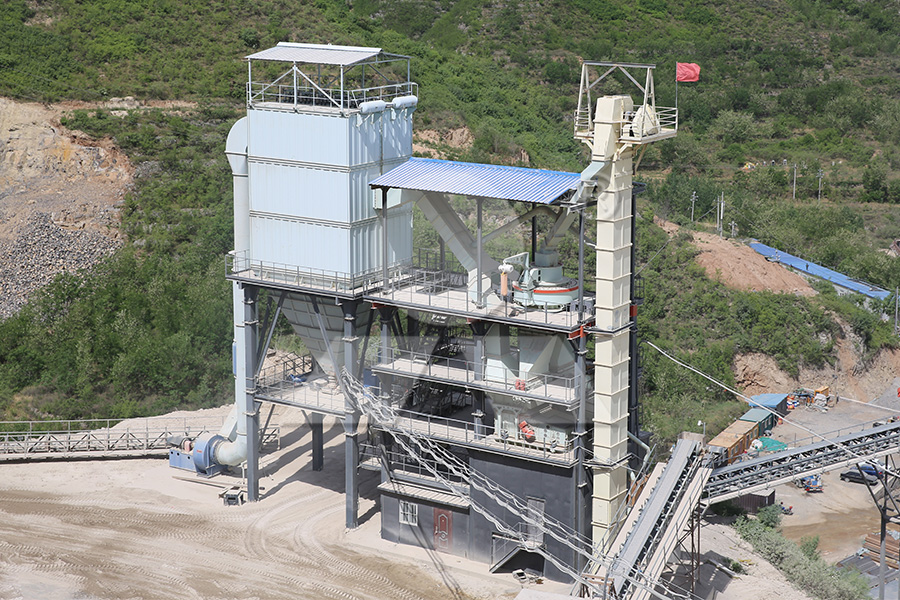
Dry-process manufactured sand systems produce finished sand without large washing tanks or settling ponds. They rely on air classifiers to separate stone powder and control fines content, unlike wet sand plants that use water for mud removal.
Dry sand making shines in regions with water shortages, cold climates where water freezes in winter, or locations with strict wastewater discharge limits. Its main limitation is handling feed materials with high clay and mud content.
SMP dry sand plants integrate feeding, crushing, shaping, screening and air classification in one compact workflow. Operators adjust classifier speed to hit the exact powder range required by local concrete standards.
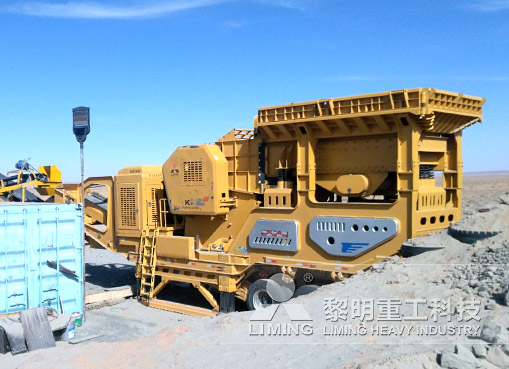
For mines facing water scarcity or high wastewater treatment costs, dry sand making cuts utility expenses, avoids pond maintenance and enables year-round sand production.
Keywords: dry process sand making, dry manufactured sand, air classifier sand plant, water-free sand production, dry sand vs wet sand

Previous: SMP Crusher
Next: SMP Crusher
Dry-process manufactured sand systems produce finished sand without large washing tanks or settling ponds. They rely on air classifiers to separate stone powder and control fines content, unlike wet sand plants that use water for mud removal.Dry
Dry-process manufactured sand systems produce finished sand without large washing tanks or settling ponds. They rely on air classifiers to separate stone powder and control fines content, unlike wet sand plants that use water for mud removal.
Dry sand making shines in regions with water shortages, cold climates where water freezes in winter, or locations with strict wastewater discharge limits. Its main limitation is handling feed materials with high clay and mud content.
SMP dry sand plants integrate feeding, crushing, shaping, screening and air classification in one compact workflow. Operators adjust classifier speed to hit the exact powder range required by local concrete standards.
For mines facing water scarcity or high wastewater treatment costs, dry sand making cuts utility expenses, avoids pond maintenance and enables year-round sand production.
Keywords: dry process sand making, dry manufactured sand, air classifier sand plant, water-free sand production, dry sand vs wet sand
Previous: SMP Crusher
Next: SMP Crusher
 Basalt Crushing Challenges for High-Skid-Resistance Road Aggregate
 Belt Conveyor Common Tracking Problems and Practical Fixes
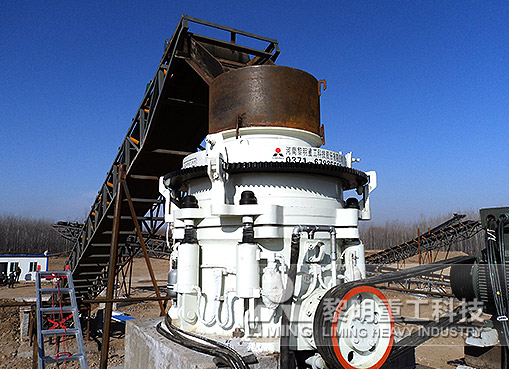
 Benefits of Closed-Circuit Crushing for Consistent Aggregate Gradation
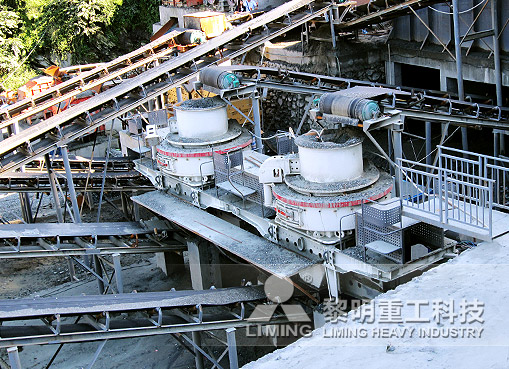
 Construction Waste Recycling Plant for On-Site Concrete Rubble
 How to Choose Between Vibrating Feeder and Apron FeederBasalt Crushing Challenges for High-Skid-Resistance Road AggregateBelt Conveyor Common Tracking Problems and Practical FixesBenefits of Closed-Circuit Crushing for Consistent Aggregate GradationConstruction Waste Recycling Plant for On-Site Concrete RubbleHow to Choose Between Vibrating Feeder and Apron Feeder