
Search
Barite (barium sulfate) is dense, soft and chemically inert, the primary weighting agent for oil and gas drilling mud. Drilling-grade barite requires strict specific gravity, particle size and low soluble alkali content. Industrial filler-grade barite
Barite (barium sulfate) is dense, soft and chemically inert, the primary weighting agent for oil and gas drilling mud. Drilling-grade barite requires strict specific gravity, particle size and low soluble alkali content. Industrial filler-grade barite for paint and plastic demands ultra-fine powder and brightness control. A barite crushing plant must separate drilling mud product from filler powder without cross-contamination.
Barite is soft compared to silicate rocks, but it often occurs alongside quartz, fluorite and calcite gangue. Quartz gangue is abrasive and wears crushing equipment, while calcite lowers the specific gravity of drilling barite. Wet washing and gravity separation are used after crushing to upgrade barite by removing silicate gangue. Over-crushing barite creates ultra-fine particles that fail drilling mud particle-size specs.
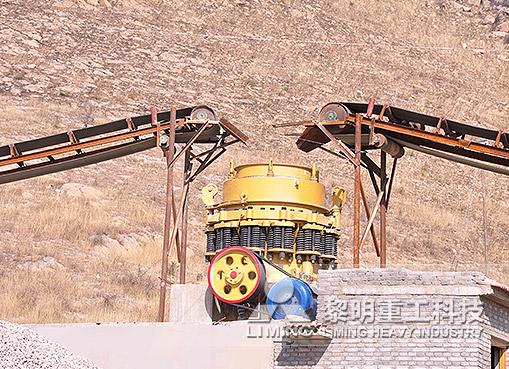
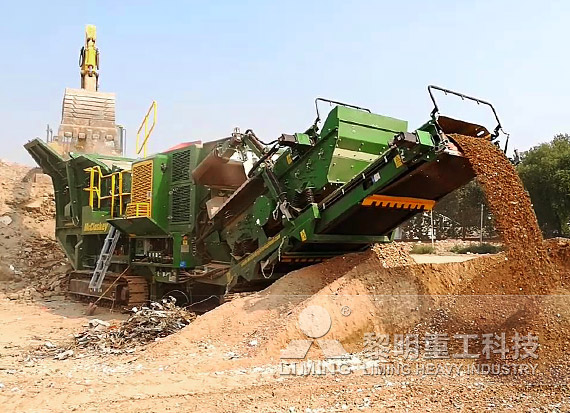
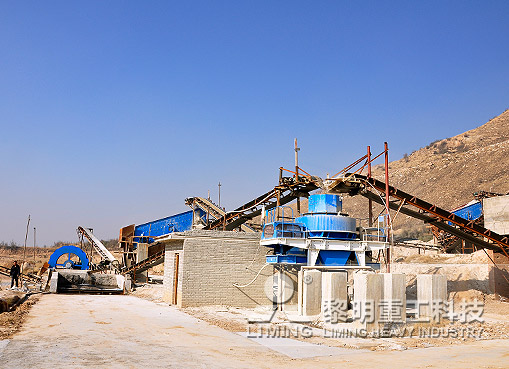
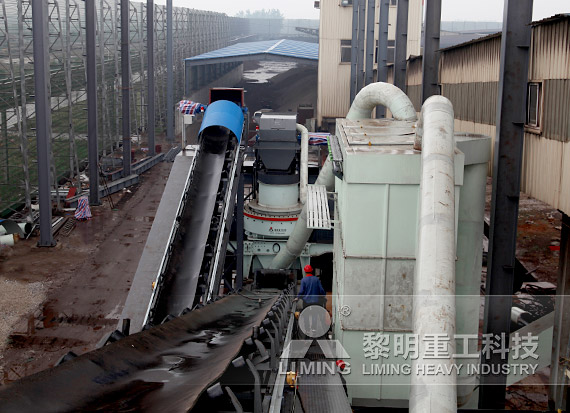
SMP barite processing circuits use jaw crushing, impact crushing and multi-stage screening. Coarse fractions go to gravity separation for drilling-grade barite; selected clean barite feeds an ultra-fine grinding system for filler powder. Closed-circuit screens prevent oversize from contaminating finished drilling mud product.
This setup lets producers supply both oilfield barite and mineral filler markets.
**Keywords**: barite crushing plant, drilling mud barite, barite gravity separation, barium sulfate filler, oilfield mineral processing

Previous: SMP Crusher
Next: SMP Crusher
Barite (barium sulfate) is dense, soft and chemically inert, the primary weighting agent for oil and gas drilling mud. Drilling-grade barite requires strict specific gravity, particle size and low soluble alkali content. Industrial filler-grade barite
Barite (barium sulfate) is dense, soft and chemically inert, the primary weighting agent for oil and gas drilling mud. Drilling-grade barite requires strict specific gravity, particle size and low soluble alkali content. Industrial filler-grade barite for paint and plastic demands ultra-fine powder and brightness control. A barite crushing plant must separate drilling mud product from filler powder without cross-contamination.
Barite is soft compared to silicate rocks, but it often occurs alongside quartz, fluorite and calcite gangue. Quartz gangue is abrasive and wears crushing equipment, while calcite lowers the specific gravity of drilling barite. Wet washing and gravity separation are used after crushing to upgrade barite by removing silicate gangue. Over-crushing barite creates ultra-fine particles that fail drilling mud particle-size specs.
SMP barite processing circuits use jaw crushing, impact crushing and multi-stage screening. Coarse fractions go to gravity separation for drilling-grade barite; selected clean barite feeds an ultra-fine grinding system for filler powder. Closed-circuit screens prevent oversize from contaminating finished drilling mud product.
This setup lets producers supply both oilfield barite and mineral filler markets.
**Keywords**: barite crushing plant, drilling mud barite, barite gravity separation, barium sulfate filler, oilfield mineral processing
Previous: SMP Crusher
Next: SMP Crusher
 Crusher Feed Surge Bin Design to Eliminate Surging in Metal Ore Plants
 Fluorite (Fluorspar) Crushing and Sorting for Acid-Grade and Metallurgical-Grade Concentrate
 Fine Crusher CSS (Closed Side Setting) Calibration for Metal Ore Liberation
 Construction Demolition Recycled Aggregate for Road Subbase and Hydraulic Concrete
 Power Consumption Benchmarking for Metal Ore and Aggregate Crushing CircuitsCrusher Feed Surge Bin Design to Eliminate Surging in Metal Ore PlantsFluorite (Fluorspar) Crushing and Sorting for Acid-Grade and Metallurgical-Grade ConcentrateFine Crusher CSS (Closed Side Setting) Calibration for Metal Ore LiberationConstruction Demolition Recycled Aggregate for Road Subbase and Hydraulic ConcretePower Consumption Benchmarking for Metal Ore and Aggregate Crushing Circuits
