
Search
Coal-based activated carbon is produced through a series of processes including carbonization, cooling, activation, and washing. It is typically a black, cylindrical activated carbon or irregularly shaped granular activated carbon derived from coal.
Coal-based activated carbon is produced through a series of processes, including carbonization, cooling, activation, and washing. It is usually a black cylindrical activated carbon or irregularly shaped granular activated carbon based on coal, also known as crushed coal. It is characterized by a well-developed porous structure, good adsorption properties, high mechanical strength, ease of regeneration, and low cost; it is widely used for the purification of toxic gases, treatment of exhaust gases, purification of industrial and domestic wastewater, and solvent recovery.
Customer Information
The customer company is a state-owned high-tech enterprise specializing in the production of activated carbon in Shanxi Province. The company's main activities include research, development, production, sales, application, and regeneration of activated carbon products. The company produces 50,000 tons of various high-quality activated carbon annually, including briquetted coal-based activated carbon, crushed coal from raw coal, columnar activated carbon from bituminous coal, and powdered coal-based activated carbon. Advanced production technologies will play a significant role in improving the quality of activated carbon and ensuring its modernization, and will also provide a reliable guarantee for the sustainable development of activated carbon production.
Project Background
Processed material: Bituminous coal
Use of finished product: Activated carbon
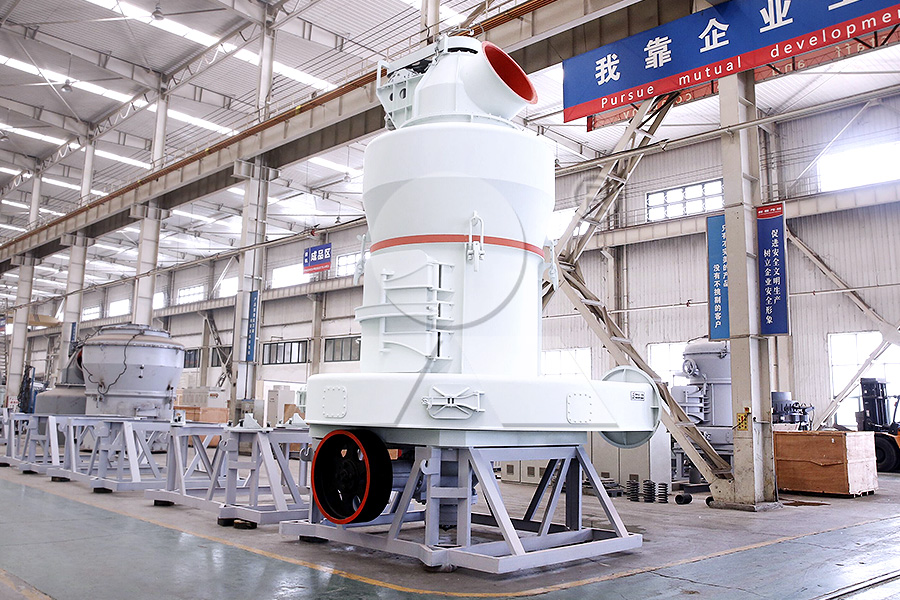
Equipment used: Shibang Group LM Vertical Roller Mill
On-site report
Advantages of the vertical mill
1. Advanced technology, low investment costs
It integrates crushing, grinding, drying, classification and transportation, has a compact layout and can be installed outdoors, which significantly reduces investment costs.
2. High grinding efficiency, good product quality
The special design of the grinding roller and grinding disc ensures high grinding efficiency; the finished product has a uniform particle size distribution, good powder quality, good fluidity and high activity.
3. Reliable quality, stable operation
The grinding rollers are equipped with limiting devices to prevent direct contact between the grinding rollers and the grinding disc, which ensures low vibration levels; There is an automatic slag removal function to ensure safe operation of the equipment.
4. High degree of automation
An automatic control system is used, providing remote control, interlocking protection, reliable operation and ease of use.
5. Convenient maintenance, low operating costs
The grinding rollers use forced lubrication with thin oil and are equipped with a hydraulic device for rotating the rollers. During maintenance, the grinding rollers can be removed from the machine using a hydraulic device without disassembly, which is convenient and fast.
6. High drying capacity, wide adaptability
It can use hot air to transport materials, drying materials with a moisture content of up to 15% before grinding, and the moisture content after grinding is<1%. Process description
Raw coal is transported to a buffer hopper by a belt conveyor, and then fed into the LM vertical roller mill by a metering feeder for grinding. The ground material is lifted by a high-speed air stream in the air ring and enters the classifier for separation. Fine powder that meets the fineness requirements is carried out of the mill by the air stream and enters the dust collector for separation and collection. The finished powder is transported to a briquetting machine, then carbonized after briquetting, and finally crushed into coal briquettes for transportation in bags.
Examples of coal dust preparation projects

Previous: SMP Crusher
Next: SMP Crusher
Coal-based activated carbon is produced through a series of processes including carbonization, cooling, activation, and washing. It is typically a black, cylindrical activated carbon or irregularly shaped granular activated carbon derived from coal.
Coal-based activated carbon is produced through a series of processes, including carbonization, cooling, activation, and washing. It is usually a black cylindrical activated carbon or irregularly shaped granular activated carbon based on coal, also known as crushed coal. It is characterized by a well-developed porous structure, good adsorption properties, high mechanical strength, ease of regeneration, and low cost; it is widely used for the purification of toxic gases, treatment of exhaust gases, purification of industrial and domestic wastewater, and solvent recovery.
Customer Information
The customer company is a state-owned high-tech enterprise specializing in the production of activated carbon in Shanxi Province. The company's main activities include research, development, production, sales, application, and regeneration of activated carbon products. The company produces 50,000 tons of various high-quality activated carbon annually, including briquetted coal-based activated carbon, crushed coal from raw coal, columnar activated carbon from bituminous coal, and powdered coal-based activated carbon. Advanced production technologies will play a significant role in improving the quality of activated carbon and ensuring its modernization, and will also provide a reliable guarantee for the sustainable development of activated carbon production.
Project Background
Processed material: Bituminous coal
Use of finished product: Activated carbon
Equipment used: Shibang Group LM Vertical Roller Mill
On-site report
Advantages of the vertical mill
1. Advanced technology, low investment costs
It integrates crushing, grinding, drying, classification and transportation, has a compact layout and can be installed outdoors, which significantly reduces investment costs.
2. High grinding efficiency, good product quality
The special design of the grinding roller and grinding disc ensures high grinding efficiency; the finished product has a uniform particle size distribution, good powder quality, good fluidity and high activity.
3. Reliable quality, stable operation
The grinding rollers are equipped with limiting devices to prevent direct contact between the grinding rollers and the grinding disc, which ensures low vibration levels; There is an automatic slag removal function to ensure safe operation of the equipment.
4. High degree of automation
An automatic control system is used, providing remote control, interlocking protection, reliable operation and ease of use.
5. Convenient maintenance, low operating costs
The grinding rollers use forced lubrication with thin oil and are equipped with a hydraulic device for rotating the rollers. During maintenance, the grinding rollers can be removed from the machine using a hydraulic device without disassembly, which is convenient and fast.
6. High drying capacity, wide adaptability
It can use hot air to transport materials, drying materials with a moisture content of up to 15% before grinding, and the moisture content after grinding is<1%. Process description
Raw coal is transported to a buffer hopper by a belt conveyor, and then fed into the LM vertical roller mill by a metering feeder for grinding. The ground material is lifted by a high-speed air stream in the air ring and enters the classifier for separation. Fine powder that meets the fineness requirements is carried out of the mill by the air stream and enters the dust collector for separation and collection. The finished powder is transported to a briquetting machine, then carbonized after briquetting, and finally crushed into coal briquettes for transportation in bags.
Examples of coal dust preparation projects
Previous: SMP Crusher
Next: SMP Crusher
 Classification and application of crushing plants in mines: the key to increasing the efficiency of mineral processing.
 Crushing and processing of limestone waste: potential and opportunities in the developing artificial sand production industry.
 In 2024, investments in the railway industry reached 184.9 billion yuan! Railway construction in China is accelerating, which is good news for the sand and gravel market.
 What types of sand and gravel processing equipment are used in stone quarries?
 A detailed description of the lithium ore processing technology: a comprehensive analysis from crushing and screening to grinding and classification.Classification and application of crushing plants in mines: the key to increasing the efficiency of mineral processing.Crushing and processing of limestone waste: potential and opportunities in the developing artificial sand production industry.In 2024, investments in the railway industry reached 184.9 billion yuan! Railway construction in China is accelerating, which is good news for the sand and gravel market.What types of sand and gravel processing equipment are used in stone quarries?A detailed description of the lithium ore processing technology: a comprehensive analysis from crushing and screening to grinding and classification.