
Search
Lubrication failure is one of the top causes of unplanned downtime in cone crushers used for copper, iron, chrome and hard mineral ore. Metal ore crushing runs at higher load, higher bearing temperature and higher contamination risk than ordinary aggre
Lubrication failure is one of the top causes of unplanned downtime in cone crushers used for copper, iron, chrome and hard mineral ore. Metal ore crushing runs at higher load, higher bearing temperature and higher contamination risk than ordinary aggregate crushing. Fine mineral dust, water and tramp fines invade oil circuits, causing bearing scoring, bushing wear and hydraulic seal failure. Many plants only change oil on a calendar schedule, without monitoring oil condition, which wastes lubricant or catches contamination too late.
There are two main lubrication families for modern cones: circulating oil lubrication for the main bearing and gear system, and separate hydraulic oil for the setting and tramp release circuit. Mixing the two oil types is a common operator error that causes rapid component failure. Cold-climate mines face additional risk: cold oil has high viscosity and fails to reach bearings immediately after startup.
SMP maintenance protocols include online oil temperature, pressure and particle count monitoring. Automatic oil heaters are fitted for cold sites, and dual filtration removes mineral dust from return oil. Sampling schedules are based on tonnage processed and ore abrasiveness, not fixed dates. Alerts trigger before metal wear debris reaches critical levels.
Good lubrication management extends cone service life, cuts catastrophic breakdown risk and keeps concentrator feed steady.
**Keywords**: cone crusher lubrication system, crusher oil contamination, metal ore crusher maintenance, online lube monitoring, hydraulic cone failure prevention

Previous: SMP Crusher
Next: SMP Crusher
Lubrication failure is one of the top causes of unplanned downtime in cone crushers used for copper, iron, chrome and hard mineral ore. Metal ore crushing runs at higher load, higher bearing temperature and higher contamination risk than ordinary aggre
Lubrication failure is one of the top causes of unplanned downtime in cone crushers used for copper, iron, chrome and hard mineral ore. Metal ore crushing runs at higher load, higher bearing temperature and higher contamination risk than ordinary aggregate crushing. Fine mineral dust, water and tramp fines invade oil circuits, causing bearing scoring, bushing wear and hydraulic seal failure. Many plants only change oil on a calendar schedule, without monitoring oil condition, which wastes lubricant or catches contamination too late.
There are two main lubrication families for modern cones: circulating oil lubrication for the main bearing and gear system, and separate hydraulic oil for the setting and tramp release circuit. Mixing the two oil types is a common operator error that causes rapid component failure. Cold-climate mines face additional risk: cold oil has high viscosity and fails to reach bearings immediately after startup.
SMP maintenance protocols include online oil temperature, pressure and particle count monitoring. Automatic oil heaters are fitted for cold sites, and dual filtration removes mineral dust from return oil. Sampling schedules are based on tonnage processed and ore abrasiveness, not fixed dates. Alerts trigger before metal wear debris reaches critical levels.
Good lubrication management extends cone service life, cuts catastrophic breakdown risk and keeps concentrator feed steady.
**Keywords**: cone crusher lubrication system, crusher oil contamination, metal ore crusher maintenance, online lube monitoring, hydraulic cone failure prevention
Previous: SMP Crusher
Next: SMP Crusher
 Pebble Crushing Circuits in Semi-Autogenous Grinding (SAG) Mills
 River Pebble Sand Making: Abrasion Control and Iron Removal for Construction Sand
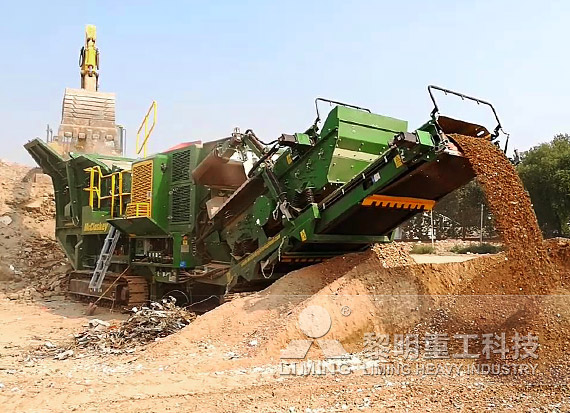 Barite Crushing for Drilling Mud Weighting Agent and Industrial Filler
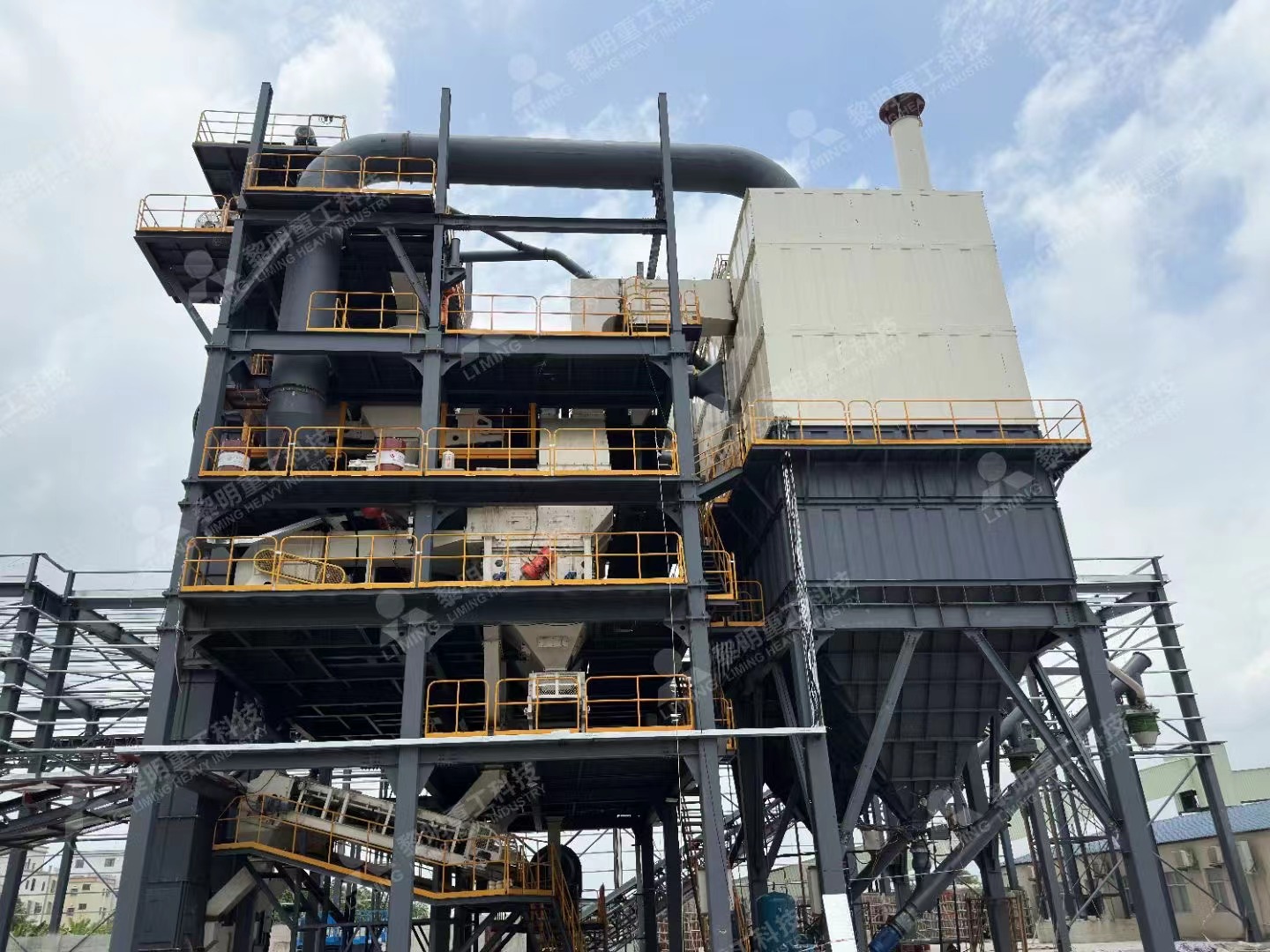 Crusher Feed Surge Bin Design to Eliminate Surging in Metal Ore Plants
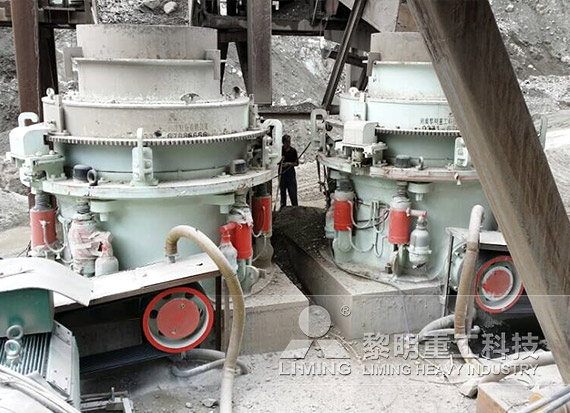 Fluorite (Fluorspar) Crushing and Sorting for Acid-Grade and Metallurgical-Grade ConcentratePebble Crushing Circuits in Semi-Autogenous Grinding (SAG) MillsRiver Pebble Sand Making: Abrasion Control and Iron Removal for Construction SandBarite Crushing for Drilling Mud Weighting Agent and Industrial FillerCrusher Feed Surge Bin Design to Eliminate Surging in Metal Ore PlantsFluorite (Fluorspar) Crushing and Sorting for Acid-Grade and Metallurgical-Grade Concentrate
