
Search
With the rapid development of infrastructure construction, the demand for sand and gravel aggregates continues to increase. However, the shortage of natural sand makes manufactured sand an ideal option to fill this gap. To meet environmental protection
With the rapid development of infrastructure construction, the demand for sand and gravel aggregates continues to increase. However, the shortage of natural sand makes manufactured sand an ideal option to fill this gap. To meet environmental protection requirements, how should an environmentally friendly sand and gravel aggregate production line be configured? How can environmentally friendly production be achieved? What key points should be considered during configuration?
Environmentally Friendly Sand and Gravel Equipment
Configuration of an Environmentally Friendly Sand and Gravel Aggregate Production Line
An environmentally friendly sand and gravel aggregate production line typically includes a crusher, sand maker, vibrating equipment, and supporting equipment. The specific configuration needs to be customized based on the type of raw materials, production scale, and finished product requirements. Generally speaking, the process flow of a sand and gravel aggregate production line consists of three main steps: coarse crushing, fine crushing, and screening.
Coarse Crushing Equipment: Jaw crushers, gyratory crushers, or hammer crushers are commonly used.
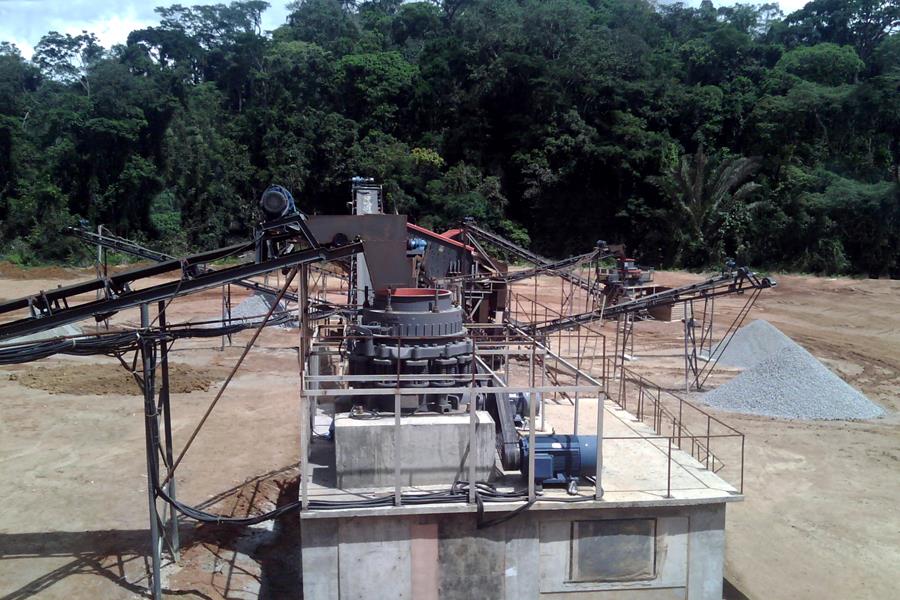
Secondary Crushing Equipment: Cone crushers or impact crushers are commonly used.
Finally Crushing Equipment: Vertical impact crushers (sand makers) are commonly used for fine crushing and shaping.
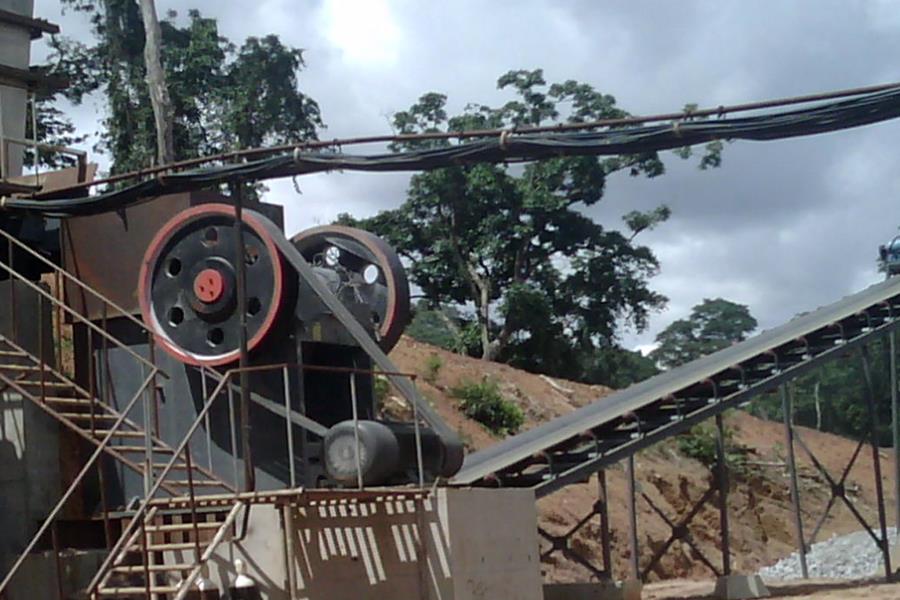
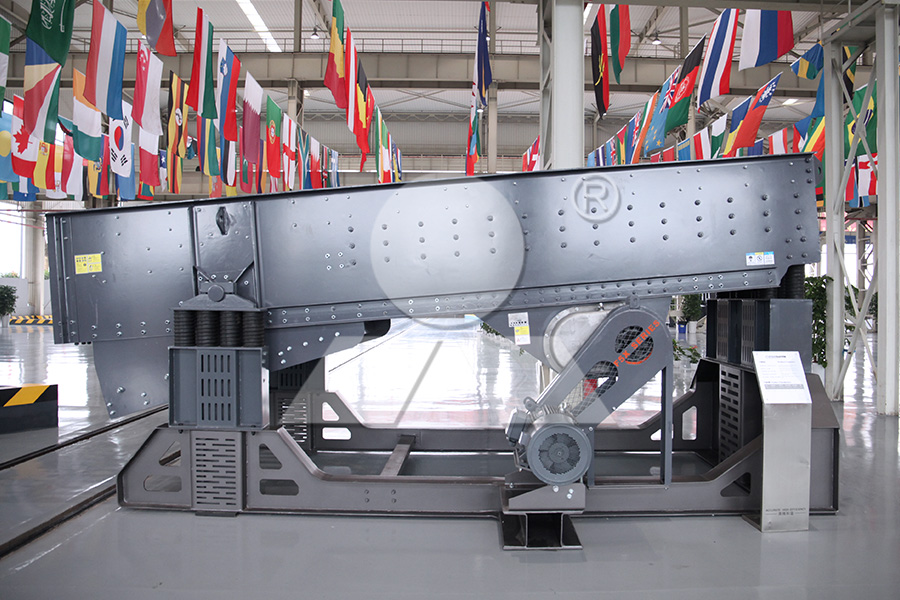
The entire production line operates as follows: Large lumps of stone are fed by dump trucks into a vibrating feeder, where they are coarsely crushed in a jaw crusher. The crushed stone then enters a cone crusher or impact crusher for secondary crushing. The crushed stone is then screened by a vibrating screen. Substandard stone returns to the cone crusher for further crushing, ultimately resulting in finished products of varying sizes.
How to Achieve Environmentally Friendly Production?
For sand and gravel plants, environmentally friendly production primarily focuses on dust, noise, and wastewater.
Dust Control:
Enclosed Production: The production line utilizes a partially enclosed design and is equipped with multi-effect dust removal equipment. Dust is collected via dust hoods to reduce dust pollution.
Sprayer Dust Removal: Sprayers are installed at key locations to further reduce dust.
Noise Control:
Enclosed Prefabricated Room Design: Reducing noise pollution through enclosed prefabricated rooms is a key factor in achieving environmentally friendly production.
Silencers: In areas where noise is strictly controlled, shielding or silencers are installed to reduce noise.
Wastewater Treatment:
Sewage Sedimentation Tanks: During the sand washing process, sewage sedimentation tanks are constructed to recycle sand washing wastewater. The precipitated sludge and waste soil can be used for mine reclamation.
Key Points in Designing an Environmentally Friendly Sand and Gravel Production Line
Adapt to Material and Site Conditions:
Select appropriate equipment and process solutions to avoid a one-size-fits-all approach. Tailor the production plan based on the raw material characteristics and site conditions.
Modular Design:
The modular design ensures a rational layout of the crushing and screening modules and an orderly arrangement of conveyor belts, ensuring efficient production line operation.
High-Quality Finished Product:
The use of efficient sand making equipment ensures stable gradation control and fine particle size in the finished product, meeting the requirements for high-standard construction sand and gravel.
With increasing environmental protection requirements, Shibang Group is committed to providing customers with efficient and environmentally friendly sand and gravel production equipment. Through scientific and rational configuration solutions and advanced environmental protection technologies, Shibang Group's environmentally friendly sand and gravel production lines not only meet market demand for high-quality sand and gravel, but also effectively reduce environmental pollution and achieve green production. Whether it is building a new plant or renovating an existing production line, Shibang Group can provide you with customized environmental protection solutions.

Previous: SMP Crusher
Next: SMP Crusher
With the rapid development of infrastructure construction, the demand for sand and gravel aggregates continues to increase. However, the shortage of natural sand makes manufactured sand an ideal option to fill this gap. To meet environmental protection
With the rapid development of infrastructure construction, the demand for sand and gravel aggregates continues to increase. However, the shortage of natural sand makes manufactured sand an ideal option to fill this gap. To meet environmental protection requirements, how should an environmentally friendly sand and gravel aggregate production line be configured? How can environmentally friendly production be achieved? What key points should be considered during configuration?
Environmentally Friendly Sand and Gravel Equipment
Configuration of an Environmentally Friendly Sand and Gravel Aggregate Production Line
An environmentally friendly sand and gravel aggregate production line typically includes a crusher, sand maker, vibrating equipment, and supporting equipment. The specific configuration needs to be customized based on the type of raw materials, production scale, and finished product requirements. Generally speaking, the process flow of a sand and gravel aggregate production line consists of three main steps: coarse crushing, fine crushing, and screening.
Coarse Crushing Equipment: Jaw crushers, gyratory crushers, or hammer crushers are commonly used.
Secondary Crushing Equipment: Cone crushers or impact crushers are commonly used.
Finally Crushing Equipment: Vertical impact crushers (sand makers) are commonly used for fine crushing and shaping.
The entire production line operates as follows: Large lumps of stone are fed by dump trucks into a vibrating feeder, where they are coarsely crushed in a jaw crusher. The crushed stone then enters a cone crusher or impact crusher for secondary crushing. The crushed stone is then screened by a vibrating screen. Substandard stone returns to the cone crusher for further crushing, ultimately resulting in finished products of varying sizes.
How to Achieve Environmentally Friendly Production?
For sand and gravel plants, environmentally friendly production primarily focuses on dust, noise, and wastewater.
Dust Control:
Enclosed Production: The production line utilizes a partially enclosed design and is equipped with multi-effect dust removal equipment. Dust is collected via dust hoods to reduce dust pollution.
Sprayer Dust Removal: Sprayers are installed at key locations to further reduce dust.
Noise Control:
Enclosed Prefabricated Room Design: Reducing noise pollution through enclosed prefabricated rooms is a key factor in achieving environmentally friendly production.
Silencers: In areas where noise is strictly controlled, shielding or silencers are installed to reduce noise.
Wastewater Treatment:
Sewage Sedimentation Tanks: During the sand washing process, sewage sedimentation tanks are constructed to recycle sand washing wastewater. The precipitated sludge and waste soil can be used for mine reclamation.
Key Points in Designing an Environmentally Friendly Sand and Gravel Production Line
Adapt to Material and Site Conditions:
Select appropriate equipment and process solutions to avoid a one-size-fits-all approach. Tailor the production plan based on the raw material characteristics and site conditions.
Modular Design:
The modular design ensures a rational layout of the crushing and screening modules and an orderly arrangement of conveyor belts, ensuring efficient production line operation.
High-Quality Finished Product:
The use of efficient sand making equipment ensures stable gradation control and fine particle size in the finished product, meeting the requirements for high-standard construction sand and gravel.
With increasing environmental protection requirements, Shibang Group is committed to providing customers with efficient and environmentally friendly sand and gravel production equipment. Through scientific and rational configuration solutions and advanced environmental protection technologies, Shibang Group's environmentally friendly sand and gravel production lines not only meet market demand for high-quality sand and gravel, but also effectively reduce environmental pollution and achieve green production. Whether it is building a new plant or renovating an existing production line, Shibang Group can provide you with customized environmental protection solutions.
Previous: SMP Crusher
Next: SMP Crusher
 What equipment is needed for a 2000 tons per day gravel production line?
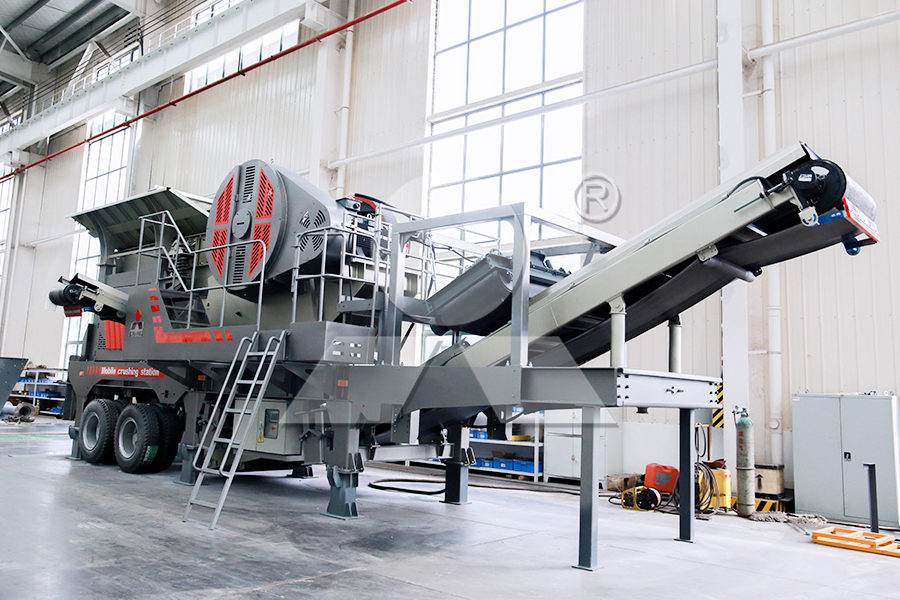 What are the equipment for producing sand and gravel crushing and how much does it cost?
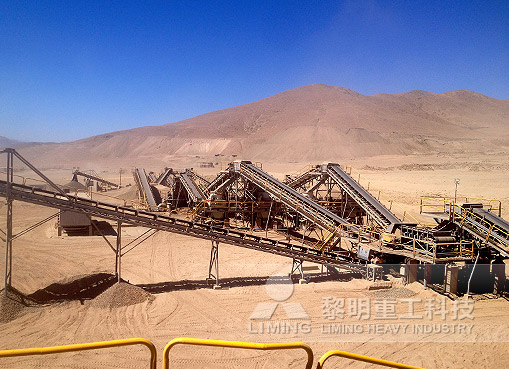 What are the models of 200 tons per hour river pebble sand making machine?
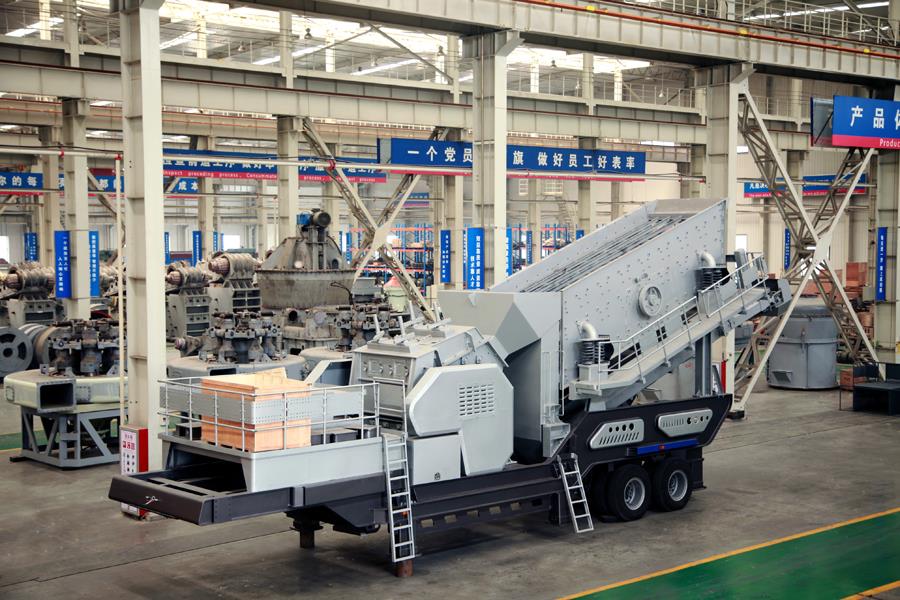
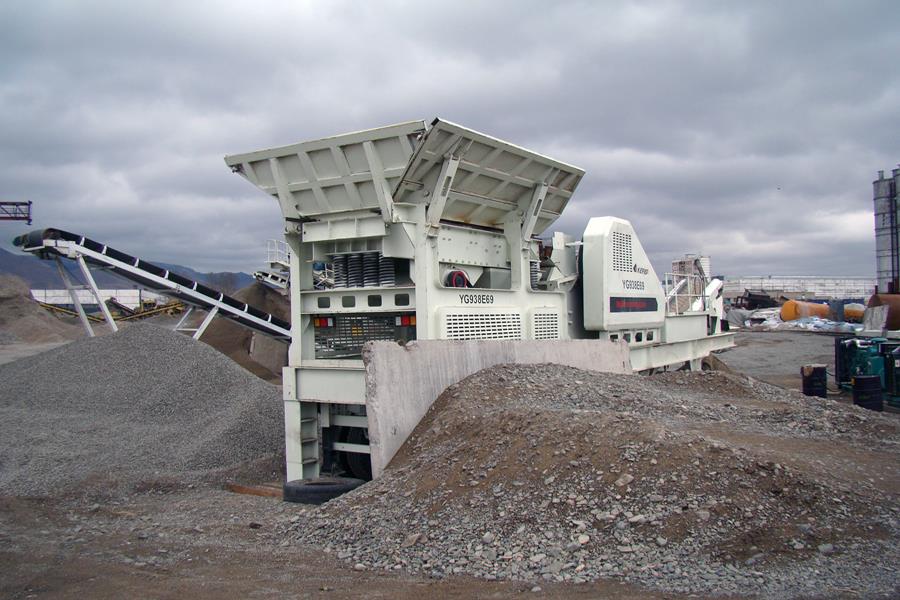 What are the advantages of mobile crushing station equipment
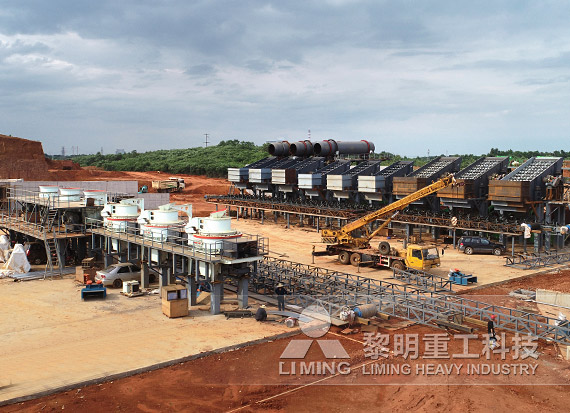 What are the mobile stone crusher equipment and how much does it cost?What equipment is needed for a 2000 tons per day gravel production line?What are the equipment for producing sand and gravel crushing and how much does it cost?What are the models of 200 tons per hour river pebble sand making machine?What are the advantages of mobile crushing station equipmentWhat are the mobile stone crusher equipment and how much does it cost?