
Search
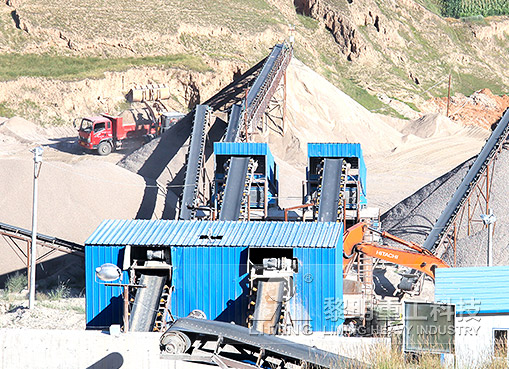
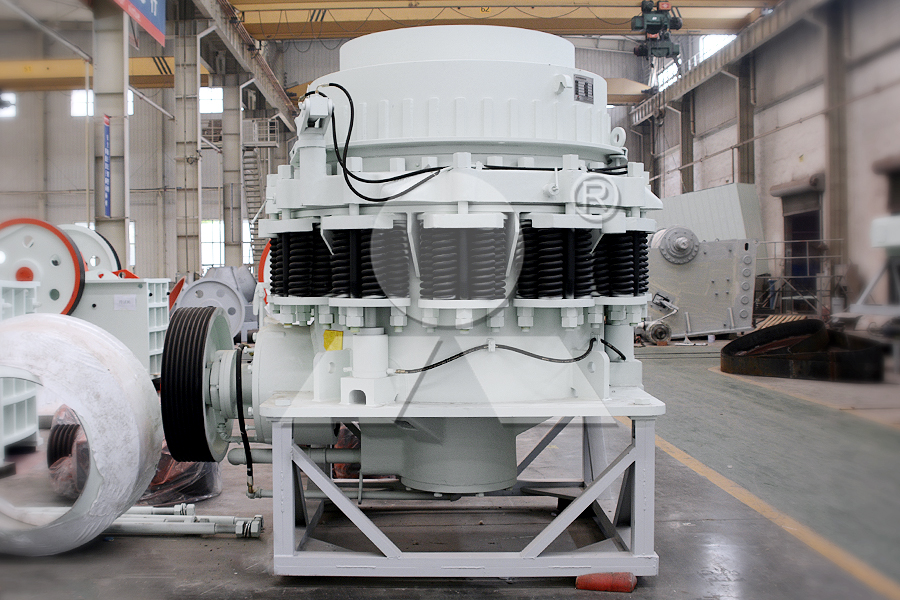
The price of a set of construction waste processing equipment on the market currently ranges from several hundred thousand to several million yuan. So what are the differences between them? Choosing the right equipment can be considered from the follow
The price of a set of construction waste processing equipment on the market currently ranges from several hundred thousand to several million yuan. So what are the differences between them? Choosing the right equipment can be considered from the following aspects:
Click here to inquire about construction waste processing equipment prices
1. Processing Capacity
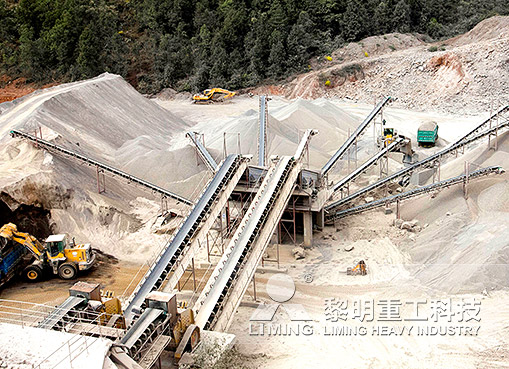
Determining the daily processing capacity is a prerequisite for configuring suitable equipment. Based on this data, manufacturers can accurately recommend equipment with matching capacity, avoiding wasted investment or insufficient capacity. It is recommended to first assess and determine the daily processing volume needed, and then communicate with the manufacturer to customize or purchase equipment based on this volume. This ensures that the investment accurately matches actual needs, meeting production requirements while controlling costs, and preventing the embarrassing situation of equipment capacity not matching the actual needs after construction due to insufficient estimation.
2. Fixed vs. Mobile
Fixed construction waste processing equipment requires fixed installation, incurring initial site construction costs. Conversely, mobile equipment has a high degree of integration, resembling a mobile waste processing station, offering high flexibility and relocation as raw materials change, greatly improving processing efficiency and convenience. The choice between fixed and mobile equipment should be made comprehensively based on the customer's specific needs, cost considerations, and site conditions to ensure the implementation of the optimal solution.
3. Manufacturer and Equipment Quality
Equipment prices vary among manufacturers, and quality also differs. Customers should be cautious when purchasing to avoid low-quality products, which could lead to wasted funds and project delays. Do not solely pursue low prices while neglecting product quality. After-sales service is equally crucial. Equipment malfunctions are inevitable, making good after-sales support essential. Furthermore, proper operation can reduce equipment wear and tear.
4. Different Configurations, Different Prices
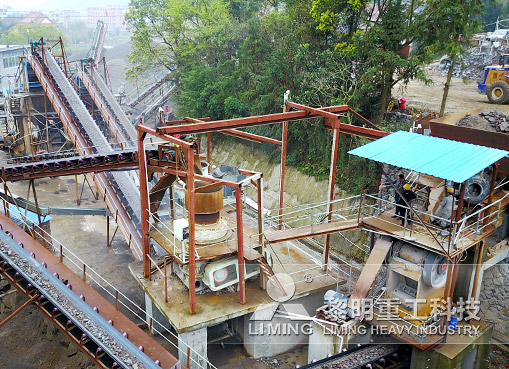
Construction waste includes concrete blocks, demolished bricks, and renovation debris, etc. It's difficult to process all of this using only one piece of equipment. For example, if brick aggregate is mixed into the processed concrete blocks to form recycled aggregate, it will significantly affect the quality of the concrete, potentially rendering it unusable. Therefore, different equipment is needed to process different types of construction waste, resulting in different equipment requirements and varying prices.

Previous: SMP Crusher
Next: SMP Crusher
The price of a set of construction waste processing equipment on the market currently ranges from several hundred thousand to several million yuan. So what are the differences between them? Choosing the right equipment can be considered from the follow
The price of a set of construction waste processing equipment on the market currently ranges from several hundred thousand to several million yuan. So what are the differences between them? Choosing the right equipment can be considered from the following aspects:
Click here to inquire about construction waste processing equipment prices
1. Processing Capacity
Determining the daily processing capacity is a prerequisite for configuring suitable equipment. Based on this data, manufacturers can accurately recommend equipment with matching capacity, avoiding wasted investment or insufficient capacity. It is recommended to first assess and determine the daily processing volume needed, and then communicate with the manufacturer to customize or purchase equipment based on this volume. This ensures that the investment accurately matches actual needs, meeting production requirements while controlling costs, and preventing the embarrassing situation of equipment capacity not matching the actual needs after construction due to insufficient estimation.
2. Fixed vs. Mobile
Fixed construction waste processing equipment requires fixed installation, incurring initial site construction costs. Conversely, mobile equipment has a high degree of integration, resembling a mobile waste processing station, offering high flexibility and relocation as raw materials change, greatly improving processing efficiency and convenience. The choice between fixed and mobile equipment should be made comprehensively based on the customer's specific needs, cost considerations, and site conditions to ensure the implementation of the optimal solution.
3. Manufacturer and Equipment Quality
Equipment prices vary among manufacturers, and quality also differs. Customers should be cautious when purchasing to avoid low-quality products, which could lead to wasted funds and project delays. Do not solely pursue low prices while neglecting product quality. After-sales service is equally crucial. Equipment malfunctions are inevitable, making good after-sales support essential. Furthermore, proper operation can reduce equipment wear and tear.
4. Different Configurations, Different Prices
Construction waste includes concrete blocks, demolished bricks, and renovation debris, etc. It's difficult to process all of this using only one piece of equipment. For example, if brick aggregate is mixed into the processed concrete blocks to form recycled aggregate, it will significantly affect the quality of the concrete, potentially rendering it unusable. Therefore, different equipment is needed to process different types of construction waste, resulting in different equipment requirements and varying prices.
Previous: SMP Crusher
Next: SMP Crusher