
Search
**Keywords**: magnetite beneficiation flow chart, magnetite magnetic separation plant, C6X HST crushing for magnetiteMagnetite is the most cost-effective iron ore for magnetic separation, and a 150 tph magnetite project in Indonesia adopted a fu
**Keywords**: magnetite beneficiation flow chart, magnetite magnetic separation plant, C6X HST crushing for magnetite
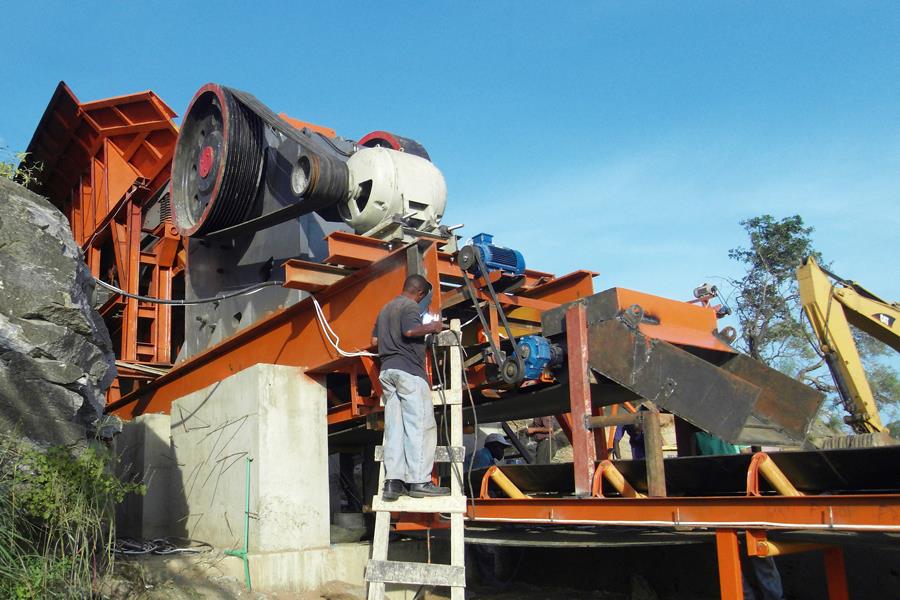
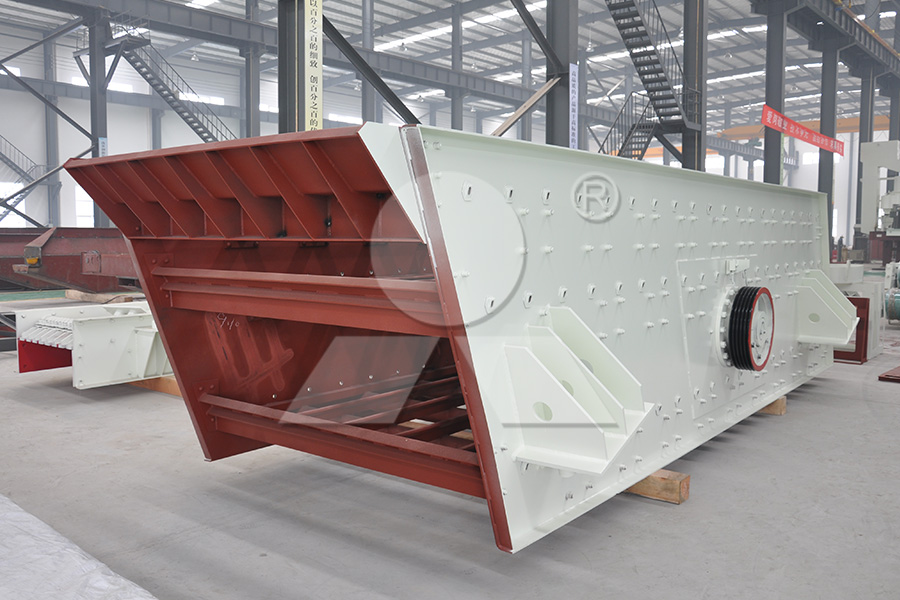
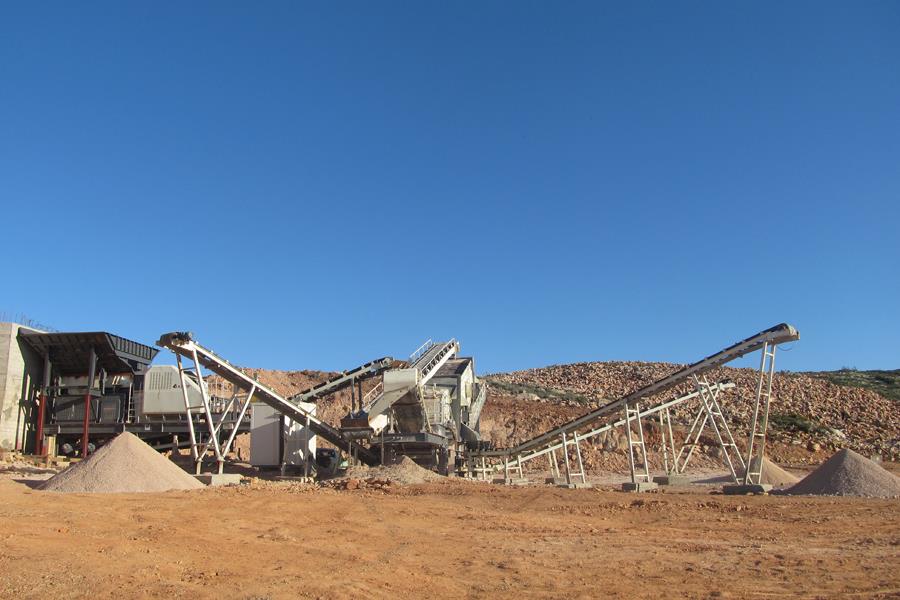
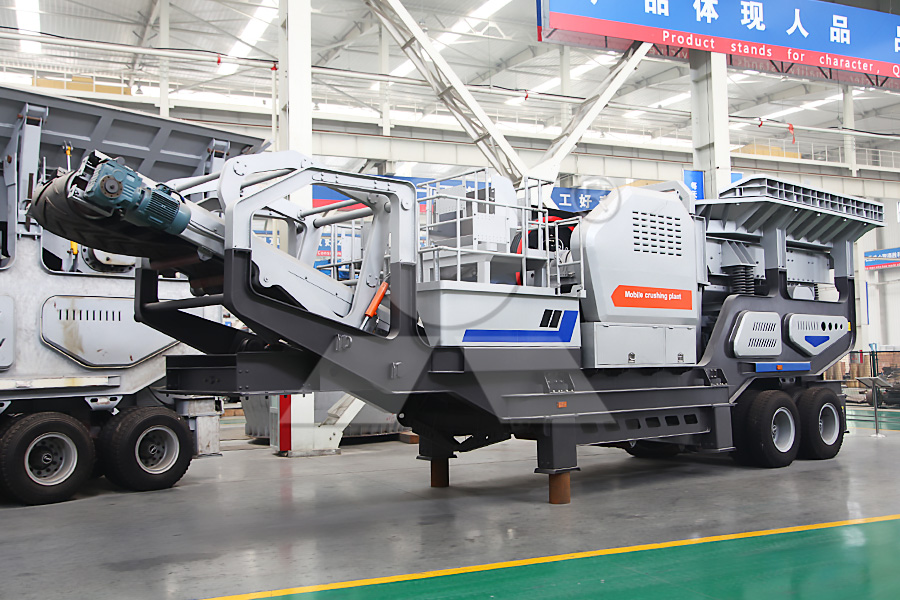
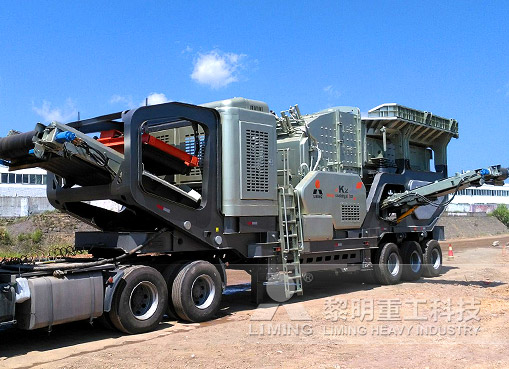
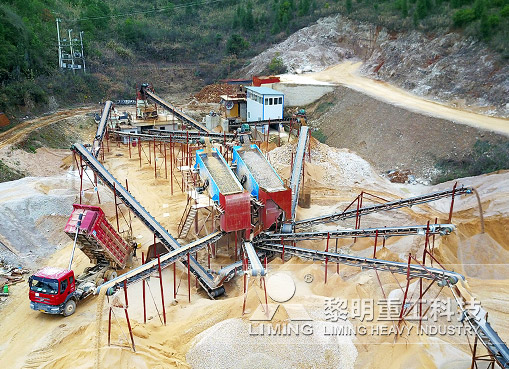
Magnetite is the most cost-effective iron ore for magnetic separation, and a 150 tph magnetite project in Indonesia adopted a full crushing-grinding-magnetic separation flow. The raw ore Fe grade is 32–36%, main gangue is quartz. The process sequence: ROM ore → vibrating feeder → C6X jaw primary crushing → HST cone closed-circuit fine crushing → high-frequency screen → ball mill → staged wet magnetic separation → concentrate dewatering.
We configured closed circuit crushing to produce consistent P80 10 mm feed for the ball mill, which stabilises grinding load and reduces liner wear. The plant uses rougher magnetic separation to reject massive quartz tailings early, then regrinds locked intergrowth particles and cleans the concentrate again. After optimisation, final magnetite concentrate Fe grade hits 65.8%, iron recovery 84.2%. This project used our integrated crushing package, wear spare parts and on-site commissioning guidance.

### FAQ
Q1: Why use wet magnetic separation instead of dry for magnetite?
A1: Wet magnetic separation delivers higher selectivity and concentrate grade for fine-grained magnetite. Dry magnetic separation fits only for dry, coarse ore with low moisture.
Q2: What crusher is better for abrasive quartz-bearing magnetite ore?
A2: Jaw + hydraulic cone compression crushing is preferred. Impact crushers create excessive fines and faster liner wear for high-quartz magnetite.
Q3: Can magnetite tailings be reused as manufactured sand?
A3: Yes, if tailings are low in harmful impurities. Many magnetite plants crush and screen tailings to produce qualified construction sand.

Previous: SMP Crusher
Next: SMP Crusher
**Keywords**: magnetite beneficiation flow chart, magnetite magnetic separation plant, C6X HST crushing for magnetiteMagnetite is the most cost-effective iron ore for magnetic separation, and a 150 tph magnetite project in Indonesia adopted a fu
**Keywords**: magnetite beneficiation flow chart, magnetite magnetic separation plant, C6X HST crushing for magnetite
Magnetite is the most cost-effective iron ore for magnetic separation, and a 150 tph magnetite project in Indonesia adopted a full crushing-grinding-magnetic separation flow. The raw ore Fe grade is 32–36%, main gangue is quartz. The process sequence: ROM ore → vibrating feeder → C6X jaw primary crushing → HST cone closed-circuit fine crushing → high-frequency screen → ball mill → staged wet magnetic separation → concentrate dewatering.
We configured closed circuit crushing to produce consistent P80 10 mm feed for the ball mill, which stabilises grinding load and reduces liner wear. The plant uses rougher magnetic separation to reject massive quartz tailings early, then regrinds locked intergrowth particles and cleans the concentrate again. After optimisation, final magnetite concentrate Fe grade hits 65.8%, iron recovery 84.2%. This project used our integrated crushing package, wear spare parts and on-site commissioning guidance.
### FAQ
Q1: Why use wet magnetic separation instead of dry for magnetite?
A1: Wet magnetic separation delivers higher selectivity and concentrate grade for fine-grained magnetite. Dry magnetic separation fits only for dry, coarse ore with low moisture.
Q2: What crusher is better for abrasive quartz-bearing magnetite ore?
A2: Jaw + hydraulic cone compression crushing is preferred. Impact crushers create excessive fines and faster liner wear for high-quartz magnetite.
Q3: Can magnetite tailings be reused as manufactured sand?
A3: Yes, if tailings are low in harmful impurities. Many magnetite plants crush and screen tailings to produce qualified construction sand.
Previous: SMP Crusher
Next: SMP Crusher