
Search
River sand is natural rock particles formed by the repeated impact and friction of water over a long period of time. It is also formed from siliceous rock through millions of years of weathering, erosion, and mechanical impact, possessing a naturally c
River sand is natural rock particles formed by the repeated impact and friction of water over a long period of time. It is also formed from siliceous rock through millions of years of weathering, erosion, and mechanical impact, possessing a naturally continuous gradation. Manufactured sand, on the other hand, is formed through mechanical crushing and is naturally discontinuous.
More information on manufactured sand production equipment:
Sand making processes are divided into dry and wet methods:
Dry sand making: Dry sand making is not limited by water resources and can be carried out even in water-scarce areas. However, dry sand making often produces more fine powder and soil, affecting the workability of concrete. The manufactured sand produced often has a dumbbell-shaped gradation, requiring screening to optimize the gradation.
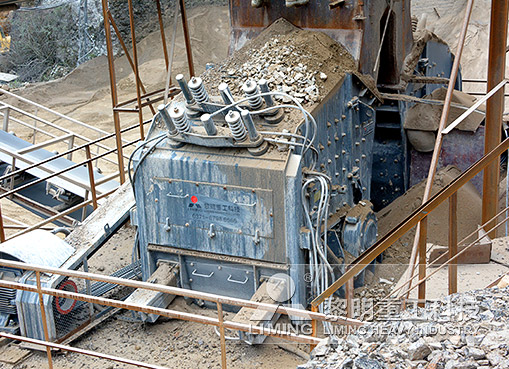
Wet sand making: Wet sand making removes soil through washing, producing cleaner sand particles, but it also easily carries away some fine particles, leading to poor gradation. Furthermore, wet sand making requires a large amount of water resources, and flocculants need to be added when recycling the water. These flocculants may remain in the sand and gravel, affecting the performance of concrete.
Shibang Group believes that dry and wet sand making processes each have their advantages and disadvantages. Enterprises should choose the appropriate process according to their specific circumstances and improve the quality and performance of manufactured sand through equipment optimization and process improvement.

Previous: SMP Crusher
Next: SMP Crusher
River sand is natural rock particles formed by the repeated impact and friction of water over a long period of time. It is also formed from siliceous rock through millions of years of weathering, erosion, and mechanical impact, possessing a naturally c
River sand is natural rock particles formed by the repeated impact and friction of water over a long period of time. It is also formed from siliceous rock through millions of years of weathering, erosion, and mechanical impact, possessing a naturally continuous gradation. Manufactured sand, on the other hand, is formed through mechanical crushing and is naturally discontinuous.
More information on manufactured sand production equipment:
Sand making processes are divided into dry and wet methods:
Dry sand making: Dry sand making is not limited by water resources and can be carried out even in water-scarce areas. However, dry sand making often produces more fine powder and soil, affecting the workability of concrete. The manufactured sand produced often has a dumbbell-shaped gradation, requiring screening to optimize the gradation.
Wet sand making: Wet sand making removes soil through washing, producing cleaner sand particles, but it also easily carries away some fine particles, leading to poor gradation. Furthermore, wet sand making requires a large amount of water resources, and flocculants need to be added when recycling the water. These flocculants may remain in the sand and gravel, affecting the performance of concrete.
Shibang Group believes that dry and wet sand making processes each have their advantages and disadvantages. Enterprises should choose the appropriate process according to their specific circumstances and improve the quality and performance of manufactured sand through equipment optimization and process improvement.
Previous: SMP Crusher
Next: SMP Crusher
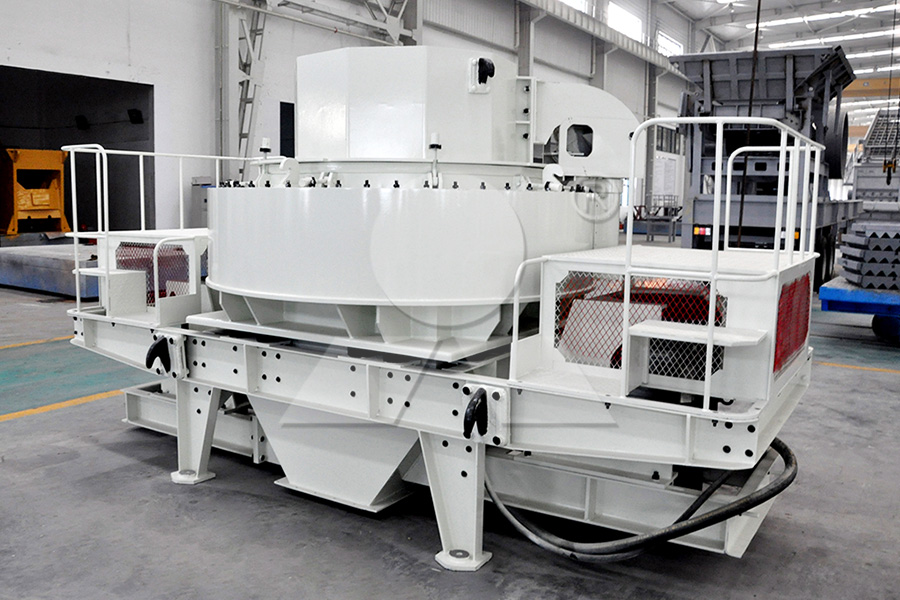 How much does a sand making machine cost, and what are its main components?
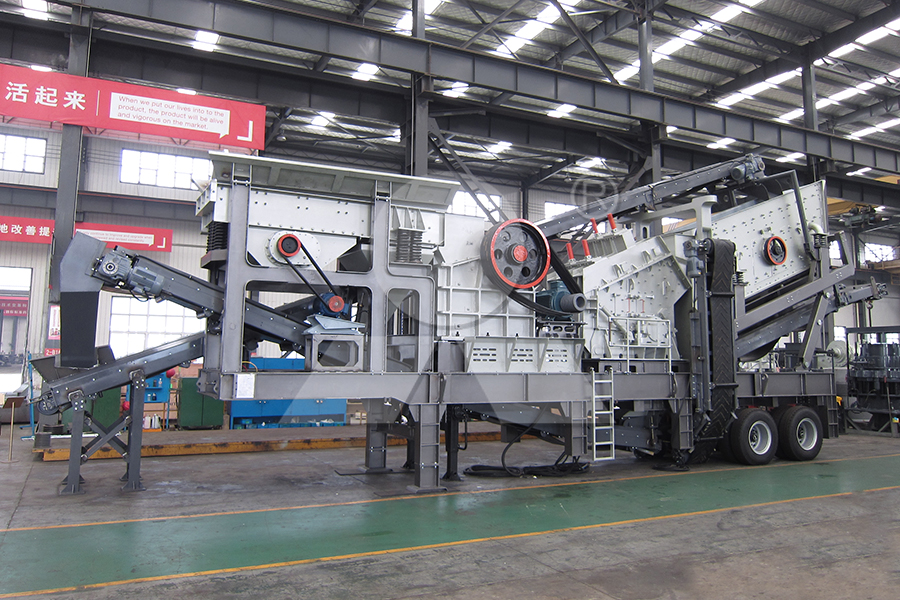 Manufactured sand production line: the preferred solution to the shortage of natural river sand and environmental protection.
 How much does a complete set of construction waste treatment equipment cost, and how do I choose the right equipment?
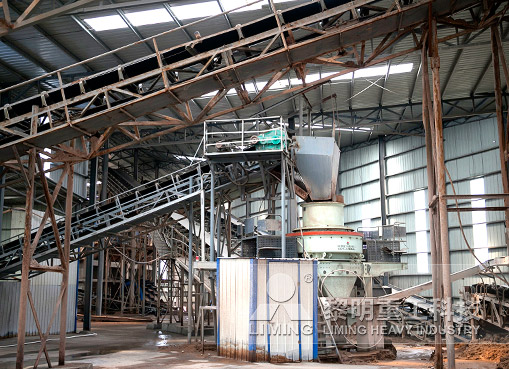
 How much does a weathered sand making machine cost?
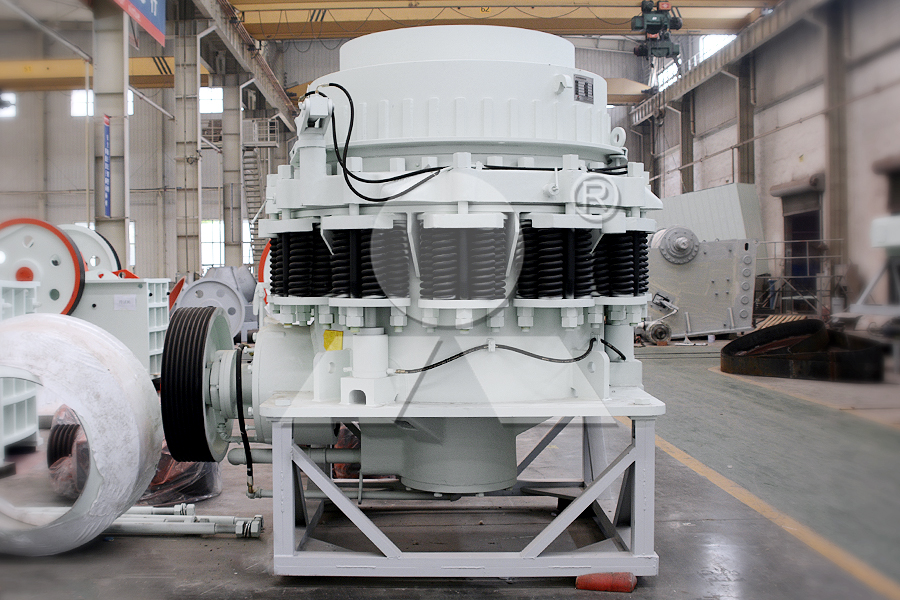
 Models and prices of single-cylinder cone crushersHow much does a sand making machine cost, and what are its main components?Manufactured sand production line: the preferred solution to the shortage of natural river sand and environmental protection.How much does a complete set of construction waste treatment equipment cost, and how do I choose the right equipment?How much does a weathered sand making machine cost?Models and prices of single-cylinder cone crushers