
Search
Pyrite is commonly intergrown with gold, copper and lead-zinc ore. When pyrite is crushed into fine particles, it reacts with air and moisture, producing sulphuric acid runoff and explosive sulphide dust hazards. Many crushing workshops for sulphide me
Pyrite is commonly intergrown with gold, copper and lead-zinc ore. When pyrite is crushed into fine particles, it reacts with air and moisture, producing sulphuric acid runoff and explosive sulphide dust hazards. Many crushing workshops for sulphide metal mines ignore this risk and face corrosion of steel equipment, environmental non-compliance and safety risks.
Dust suppression should use atomized water mist instead of heavy water spraying, to avoid large volumes of acidic wastewater accumulating under crushers and screens. Closed dust collection hoods connect to bag dust collectors for fugitive dust capture. The workshop floor adopts acid-resistant concrete with sloped drainage, and collected wastewater is sent to neutralization tank before recycling or discharge.
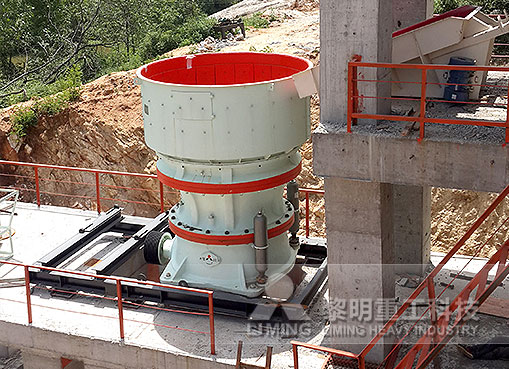
Maintenance schedules also change for pyrite-bearing ore: clean residual fine sulphide deposits inside crusher cavities and chutes every shift, to prevent spontaneous oxidation and overheating. Cone and jaw crusher base frames need anti-corrosion coating for long service life. These safety and environmental designs are mandatory items in EPC bidding for sulphide metal concentrators.
Keywords: pyrite ore crushing dust control, sulphide ore crushing safety, acid drainage metal crushing plant, pyrite dust suppression mining

Previous: SMP Crusher
Next: SMP Crusher
Pyrite is commonly intergrown with gold, copper and lead-zinc ore. When pyrite is crushed into fine particles, it reacts with air and moisture, producing sulphuric acid runoff and explosive sulphide dust hazards. Many crushing workshops for sulphide me
Pyrite is commonly intergrown with gold, copper and lead-zinc ore. When pyrite is crushed into fine particles, it reacts with air and moisture, producing sulphuric acid runoff and explosive sulphide dust hazards. Many crushing workshops for sulphide metal mines ignore this risk and face corrosion of steel equipment, environmental non-compliance and safety risks.
Dust suppression should use atomized water mist instead of heavy water spraying, to avoid large volumes of acidic wastewater accumulating under crushers and screens. Closed dust collection hoods connect to bag dust collectors for fugitive dust capture. The workshop floor adopts acid-resistant concrete with sloped drainage, and collected wastewater is sent to neutralization tank before recycling or discharge.
Maintenance schedules also change for pyrite-bearing ore: clean residual fine sulphide deposits inside crusher cavities and chutes every shift, to prevent spontaneous oxidation and overheating. Cone and jaw crusher base frames need anti-corrosion coating for long service life. These safety and environmental designs are mandatory items in EPC bidding for sulphide metal concentrators.
Keywords: pyrite ore crushing dust control, sulphide ore crushing safety, acid drainage metal crushing plant, pyrite dust suppression mining
Previous: SMP Crusher
Next: SMP Crusher
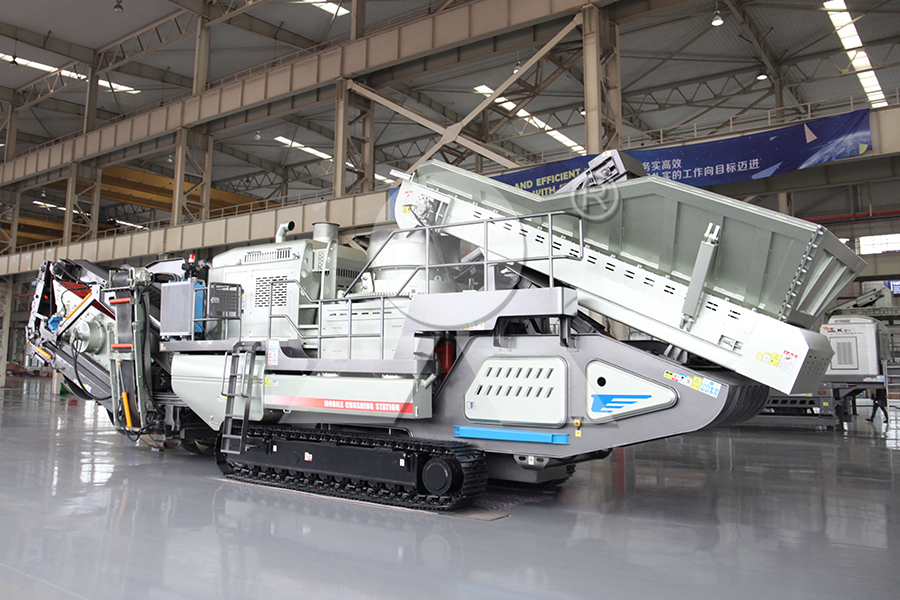 Lead Zinc Sulphide Ore Closed-Circuit Crushing Setup for Flotation Feed Consistency
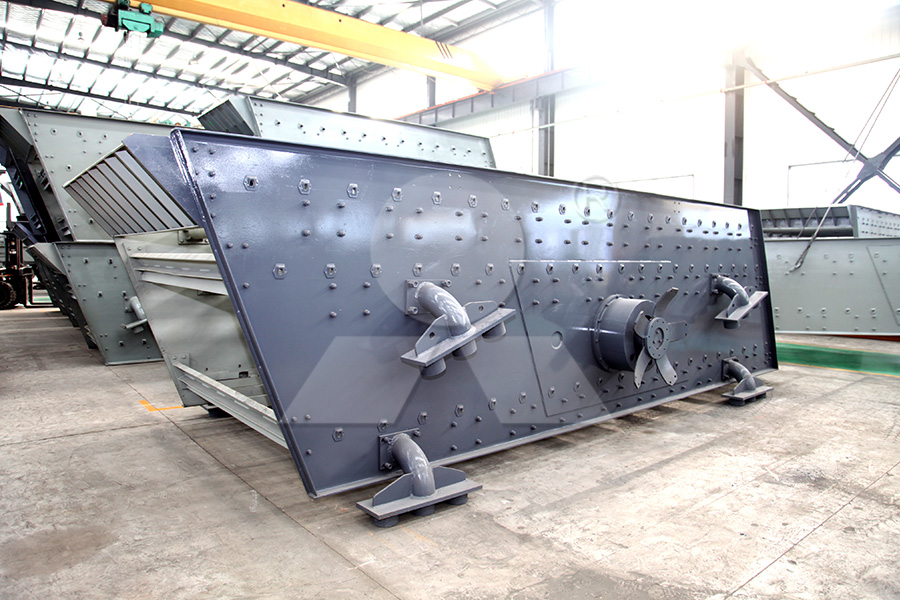 Chromite Ore Crushing for Gravity Beneficiation: Avoid Over-Pulverizing Chromite Grains
 Tungsten Ore Crushing Circuit Design for Scheelite & Wolframite Pre-Sorting
 Nickel Laterite Ore Crushing & Agglomeration Preparation for HPAL Process
 Tin Cassiterite Ore Crushing Best Practice to Reduce Cassiterite Sliming LossLead Zinc Sulphide Ore Closed-Circuit Crushing Setup for Flotation Feed ConsistencyChromite Ore Crushing for Gravity Beneficiation: Avoid Over-Pulverizing Chromite GrainsTungsten Ore Crushing Circuit Design for Scheelite & Wolframite Pre-SortingNickel Laterite Ore Crushing & Agglomeration Preparation for HPAL ProcessTin Cassiterite Ore Crushing Best Practice to Reduce Cassiterite Sliming Loss
