
Search
Aggregate and mineral producers frequently fight stockpile segregation, where coarse particles roll to the bottom and fines collect near the feed point. Segregation means the first truckload leaving the stockpile has one gradation, and the next load is
Aggregate and mineral producers frequently fight stockpile segregation, where coarse particles roll to the bottom and fines collect near the feed point. Segregation means the first truckload leaving the stockpile has one gradation, and the next load is completely different. Ready-mix plants, asphalt plants and mineral concentrators reject inconsistent material, creating contract disputes and lost sales. Segregation is rarely caused only by stacking method; it often starts inside the crushing and screening circuit.
Common root causes include poorly tuned screens, high-drop transfer chutes, mixed-spec material sharing conveyors, unstable feed rates and excessive particle size range in a single product stream. A chute with a vertical free fall will separate coarse and fine particles before the rock even hits the stockpile. When multiple sizes are blended without controlled blending gates, segregation becomes unavoidable.
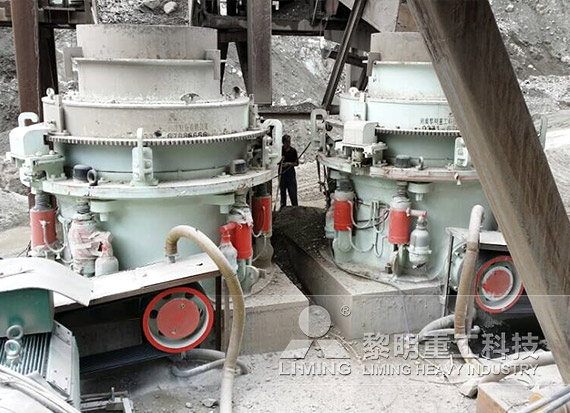
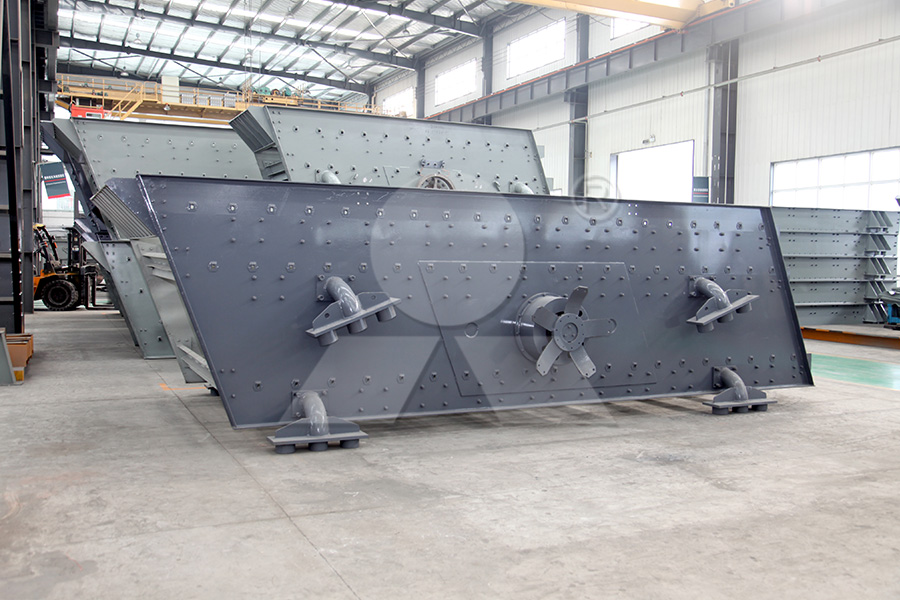
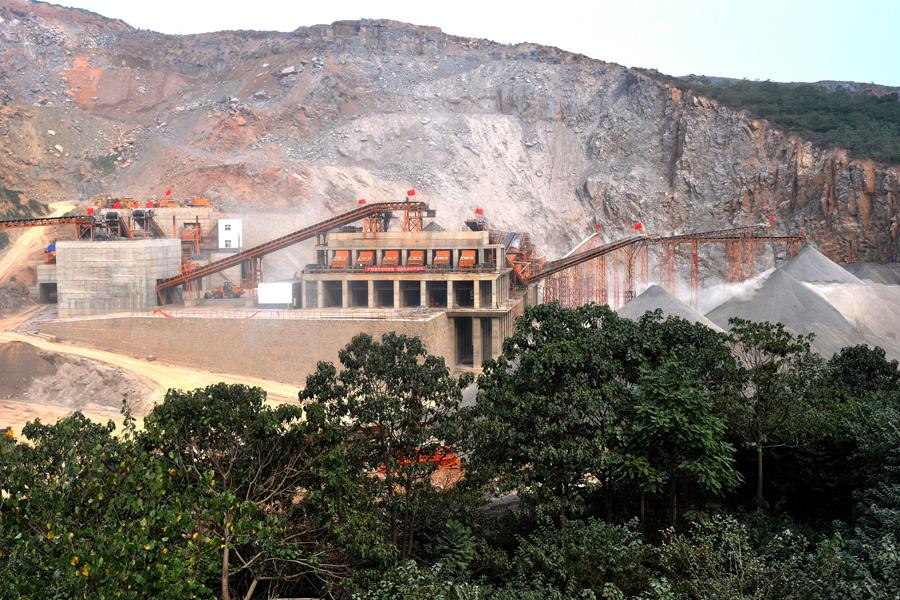
SMP’s anti-segregation design package starts in the crushing circuit: each product spec has its own dedicated screen deck, conveyor and transfer chute. Rock-on-rock curved chutes reduce free fall and particle separation. We install blending hoppers and variable-speed feeders to homogenize material before stockpiling. Closed-circuit crushing tightens each product’s size band, narrowing the range between the largest and smallest particles in a given stockpile.
After these changes, truck samples show stable gradation. Producers reduce rejected loads and maintain long-term supply contracts.
**Keywords**: aggregate stockpile segregation, quarry chute design, material blending system, screening circuit layout, aggregate gradation consistency

Previous: SMP Crusher
Next: SMP Crusher
Aggregate and mineral producers frequently fight stockpile segregation, where coarse particles roll to the bottom and fines collect near the feed point. Segregation means the first truckload leaving the stockpile has one gradation, and the next load is
Aggregate and mineral producers frequently fight stockpile segregation, where coarse particles roll to the bottom and fines collect near the feed point. Segregation means the first truckload leaving the stockpile has one gradation, and the next load is completely different. Ready-mix plants, asphalt plants and mineral concentrators reject inconsistent material, creating contract disputes and lost sales. Segregation is rarely caused only by stacking method; it often starts inside the crushing and screening circuit.
Common root causes include poorly tuned screens, high-drop transfer chutes, mixed-spec material sharing conveyors, unstable feed rates and excessive particle size range in a single product stream. A chute with a vertical free fall will separate coarse and fine particles before the rock even hits the stockpile. When multiple sizes are blended without controlled blending gates, segregation becomes unavoidable.
SMP’s anti-segregation design package starts in the crushing circuit: each product spec has its own dedicated screen deck, conveyor and transfer chute. Rock-on-rock curved chutes reduce free fall and particle separation. We install blending hoppers and variable-speed feeders to homogenize material before stockpiling. Closed-circuit crushing tightens each product’s size band, narrowing the range between the largest and smallest particles in a given stockpile.
After these changes, truck samples show stable gradation. Producers reduce rejected loads and maintain long-term supply contracts.
**Keywords**: aggregate stockpile segregation, quarry chute design, material blending system, screening circuit layout, aggregate gradation consistency
Previous: SMP Crusher
Next: SMP Crusher
 Antimony Ore Crushing for Stibnite Liberation and Gravity-Flotation Processing
 Mobile Cone Crushing Plant for Contract Mineral Processing and Toll Milling
 Phosphorite Crushing for Phosphate Rock Beneficiation and Fertilizer Feed
 Crusher Lubrication System Failures: Prevention for Continuous Metal Ore Operation
 Pebble Crushing Circuits in Semi-Autogenous Grinding (SAG) MillsAntimony Ore Crushing for Stibnite Liberation and Gravity-Flotation ProcessingMobile Cone Crushing Plant for Contract Mineral Processing and Toll MillingPhosphorite Crushing for Phosphate Rock Beneficiation and Fertilizer FeedCrusher Lubrication System Failures: Prevention for Continuous Metal Ore OperationPebble Crushing Circuits in Semi-Autogenous Grinding (SAG) Mills
