
Search
River pebble is a popular feedstock for manufactured sand because it is naturally rounded and low in rock fractures. But river pebbles often contain magnetite, hematite and heavy mineral impurities. If not removed, these iron-bearing minerals discolor
River pebble is a popular feedstock for manufactured sand because it is naturally rounded and low in rock fractures. But river pebbles often contain magnetite, hematite and heavy mineral impurities. If not removed, these iron-bearing minerals discolor finished sand and can create durability risks in concrete exposed to moisture. Pebble is also extremely hard and abrasive, so VSI rotors and wear parts wear rapidly without careful process setup.
Many pebble sand plants run VSI crushers at maximum speed to boost shaping, burning through wear tips every few days. They also skip magnetic separation, leaving iron minerals in the sand, which limits sales to high-end precast and white concrete customers. River pebble also has a narrow natural grain structure; over-shaping creates excessive stone powder.
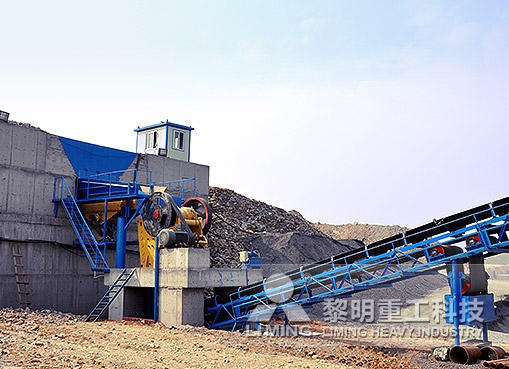
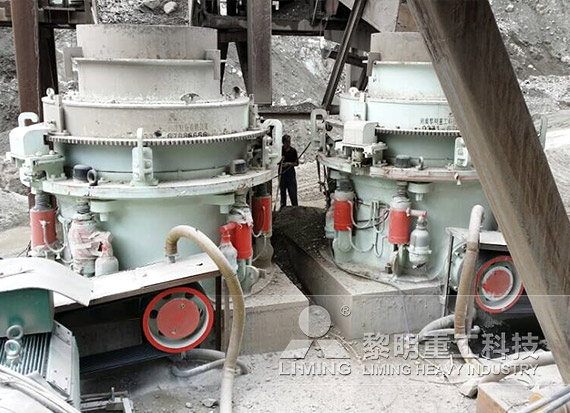
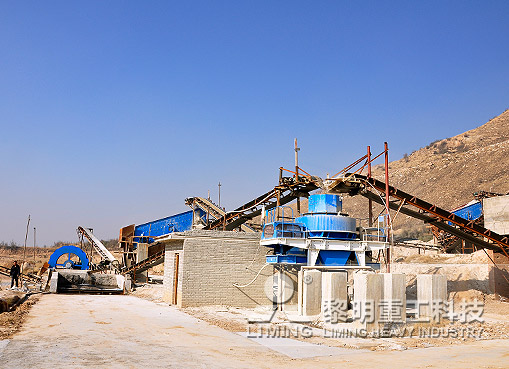
SMP river pebble sand lines use pre-screening to remove silt, followed by cone pre-crushing to reduce large pebbles before the VSI. Rotor speed is calibrated for shaping, not brute reduction. Magnetic separators remove iron-bearing heavy minerals after crushing. Air classifiers adjust powder content to concrete specifications.
The result is clean, low-iron manufactured sand with stable fineness modulus and controlled wear-part operating cost.
**Keywords**: river pebble sand making, VSI pebble crushing, manufactured sand iron removal, heavy mineral separation, pebble crusher wear control

Previous: SMP Crusher
Next: SMP Crusher
River pebble is a popular feedstock for manufactured sand because it is naturally rounded and low in rock fractures. But river pebbles often contain magnetite, hematite and heavy mineral impurities. If not removed, these iron-bearing minerals discolor
River pebble is a popular feedstock for manufactured sand because it is naturally rounded and low in rock fractures. But river pebbles often contain magnetite, hematite and heavy mineral impurities. If not removed, these iron-bearing minerals discolor finished sand and can create durability risks in concrete exposed to moisture. Pebble is also extremely hard and abrasive, so VSI rotors and wear parts wear rapidly without careful process setup.
Many pebble sand plants run VSI crushers at maximum speed to boost shaping, burning through wear tips every few days. They also skip magnetic separation, leaving iron minerals in the sand, which limits sales to high-end precast and white concrete customers. River pebble also has a narrow natural grain structure; over-shaping creates excessive stone powder.
SMP river pebble sand lines use pre-screening to remove silt, followed by cone pre-crushing to reduce large pebbles before the VSI. Rotor speed is calibrated for shaping, not brute reduction. Magnetic separators remove iron-bearing heavy minerals after crushing. Air classifiers adjust powder content to concrete specifications.
The result is clean, low-iron manufactured sand with stable fineness modulus and controlled wear-part operating cost.
**Keywords**: river pebble sand making, VSI pebble crushing, manufactured sand iron removal, heavy mineral separation, pebble crusher wear control
Previous: SMP Crusher
Next: SMP Crusher
 Barite Crushing for Drilling Mud Weighting Agent and Industrial Filler
 Crusher Feed Surge Bin Design to Eliminate Surging in Metal Ore Plants
 Fluorite (Fluorspar) Crushing and Sorting for Acid-Grade and Metallurgical-Grade Concentrate
 Fine Crusher CSS (Closed Side Setting) Calibration for Metal Ore Liberation
 Construction Demolition Recycled Aggregate for Road Subbase and Hydraulic ConcreteBarite Crushing for Drilling Mud Weighting Agent and Industrial FillerCrusher Feed Surge Bin Design to Eliminate Surging in Metal Ore PlantsFluorite (Fluorspar) Crushing and Sorting for Acid-Grade and Metallurgical-Grade ConcentrateFine Crusher CSS (Closed Side Setting) Calibration for Metal Ore LiberationConstruction Demolition Recycled Aggregate for Road Subbase and Hydraulic Concrete
