
Search
**Keywords**: spodumene graphite co ore processing, lithium graphite pegmatite pre-concentration, HST cone crusher for lithium graphite ore, flake graphite flotation reagent savingA mid-sized pegmatite mine in the Midlands of Zimbabwe encountere
**Keywords**: spodumene graphite co ore processing, lithium graphite pegmatite pre-concentration, HST cone crusher for lithium graphite ore, flake graphite flotation reagent saving
A mid-sized pegmatite mine in the Midlands of Zimbabwe encountered a classic processing dilemma that haunts many lithium-graphite co-deposit operators. The run-of-mine ore is a coarse-grained albite-quartz pegmatite, with intergrown spodumene and large flake graphite; graphite content averages 4.1%, spodumene Li₂O grade runs at 1.46%, alongside minor muscovite, tourmaline and iron oxide impurities. The original flowsheet adopted direct whole-ore flotation after simple jaw crushing, without any pre-concentration step. The mine’s metallurgical team quickly spotted two fatal flaws. First, massive volumes of barren gangue entered the flotation circuit, inflating the consumption of collector, frother and modifier. Second, coarse liberated graphite flakes were repeatedly over-ground in the ball mill, destroying the large flake structure that commands the highest premium on battery and thermal management markets. Large flake graphite (+100 mesh) is worth nearly double the fine graphite powder, so losing flake size was hitting revenue harder than low lithium recovery.
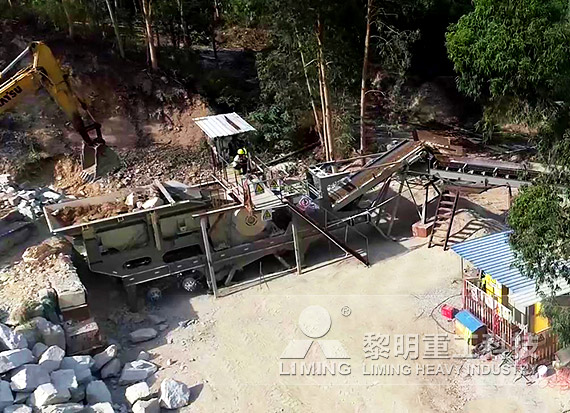
After bench-scale mineral liberation analysis and pilot test work, our process engineers proposed a staged pre-concentration flowsheet tailored to this pegmatite texture. The ROM ore, maximum block size 550 mm, is first fed to a C6X110 jaw crusher for primary compression crushing. The crushed product reports to a double-deck heavy-duty vibrating screen. The oversize fraction returns to the HST250 hydraulic cone crusher in closed circuit for secondary reduction, while the undersize material below 12 mm goes to a dense medium separation (DMS) cyclone module. DMS separates the dense spodumene-rich fraction from light quartz and feldspar gangue at a specific gravity cut point of 2.85. The DMS sink product carries the bulk of spodumene and locked graphite-bearing grains, while the DMS float, mostly barren quartz-feldspar, is stockpiled separately as low-value construction aggregate. Only this pre-concentrated feed is sent forward to the grinding and flotation circuit.
We supplied the full crushing and screening package, including the C6X jaw, HST cone, vibrating screen, heavy-duty apron feeder, magnetic tramp iron separator and complete wear spare package, plus site commissioning supervision and operator training. We also modified cone liner profiles to suit this brittle pegmatite, selecting medium-coarse cavity liners to minimise fines generation and preserve graphite flakes. The mine commissioned the pre-concentration circuit in late wet season, with 72-hour continuous performance test runs. The measured results exceeded the customer’s baseline expectations. Total feed mass entering flotation was reduced by 41%, which directly cut reagent consumption by 32%. The recovery of +100 mesh large flake graphite jumped from 57% to 78%, and final spodumene concentrate Li₂O grade stabilised at 6.05%, with lithium recovery lifting from 74% to 81%.
Operational feedback after 8 months of continuous production highlighted additional practical benefits. The ball mill load became far more stable, liner wear rate dropped by roughly 22% because less barren silicate rock was being ground. The tailings pond volume accumulation slowed, extending the life of the existing tailings storage facility. The mine management later expanded the DMS module to process a second pegmatite lens on the same mining lease. This project illustrates a core principle for spodumene-graphite co-ore: do not grind and float everything. Pre-concentration removes dead gangue early, protects valuable graphite flakes, and improves the overall economics of both lithium and graphite product streams.

Previous: SMP Crusher
Next: SMP Crusher
**Keywords**: spodumene graphite co ore processing, lithium graphite pegmatite pre-concentration, HST cone crusher for lithium graphite ore, flake graphite flotation reagent savingA mid-sized pegmatite mine in the Midlands of Zimbabwe encountere
**Keywords**: spodumene graphite co ore processing, lithium graphite pegmatite pre-concentration, HST cone crusher for lithium graphite ore, flake graphite flotation reagent saving
A mid-sized pegmatite mine in the Midlands of Zimbabwe encountered a classic processing dilemma that haunts many lithium-graphite co-deposit operators. The run-of-mine ore is a coarse-grained albite-quartz pegmatite, with intergrown spodumene and large flake graphite; graphite content averages 4.1%, spodumene Li₂O grade runs at 1.46%, alongside minor muscovite, tourmaline and iron oxide impurities. The original flowsheet adopted direct whole-ore flotation after simple jaw crushing, without any pre-concentration step. The mine’s metallurgical team quickly spotted two fatal flaws. First, massive volumes of barren gangue entered the flotation circuit, inflating the consumption of collector, frother and modifier. Second, coarse liberated graphite flakes were repeatedly over-ground in the ball mill, destroying the large flake structure that commands the highest premium on battery and thermal management markets. Large flake graphite (+100 mesh) is worth nearly double the fine graphite powder, so losing flake size was hitting revenue harder than low lithium recovery.
After bench-scale mineral liberation analysis and pilot test work, our process engineers proposed a staged pre-concentration flowsheet tailored to this pegmatite texture. The ROM ore, maximum block size 550 mm, is first fed to a C6X110 jaw crusher for primary compression crushing. The crushed product reports to a double-deck heavy-duty vibrating screen. The oversize fraction returns to the HST250 hydraulic cone crusher in closed circuit for secondary reduction, while the undersize material below 12 mm goes to a dense medium separation (DMS) cyclone module. DMS separates the dense spodumene-rich fraction from light quartz and feldspar gangue at a specific gravity cut point of 2.85. The DMS sink product carries the bulk of spodumene and locked graphite-bearing grains, while the DMS float, mostly barren quartz-feldspar, is stockpiled separately as low-value construction aggregate. Only this pre-concentrated feed is sent forward to the grinding and flotation circuit.
We supplied the full crushing and screening package, including the C6X jaw, HST cone, vibrating screen, heavy-duty apron feeder, magnetic tramp iron separator and complete wear spare package, plus site commissioning supervision and operator training. We also modified cone liner profiles to suit this brittle pegmatite, selecting medium-coarse cavity liners to minimise fines generation and preserve graphite flakes. The mine commissioned the pre-concentration circuit in late wet season, with 72-hour continuous performance test runs. The measured results exceeded the customer’s baseline expectations. Total feed mass entering flotation was reduced by 41%, which directly cut reagent consumption by 32%. The recovery of +100 mesh large flake graphite jumped from 57% to 78%, and final spodumene concentrate Li₂O grade stabilised at 6.05%, with lithium recovery lifting from 74% to 81%.
Operational feedback after 8 months of continuous production highlighted additional practical benefits. The ball mill load became far more stable, liner wear rate dropped by roughly 22% because less barren silicate rock was being ground. The tailings pond volume accumulation slowed, extending the life of the existing tailings storage facility. The mine management later expanded the DMS module to process a second pegmatite lens on the same mining lease. This project illustrates a core principle for spodumene-graphite co-ore: do not grind and float everything. Pre-concentration removes dead gangue early, protects valuable graphite flakes, and improves the overall economics of both lithium and graphite product streams.
Previous: SMP Crusher
Next: SMP Crusher
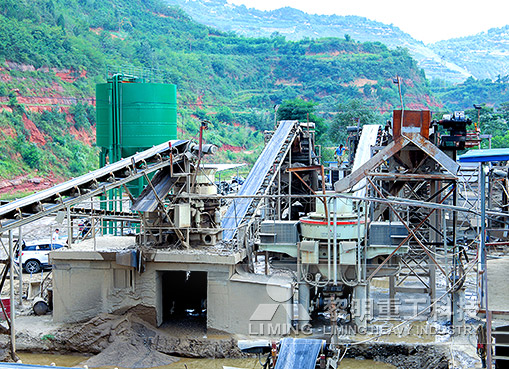 Contaminated Spodumene Graphite Ore in Mozambique: Wet Scrubbing Circuit Removes Clay Coating Before Crushing & Flotation
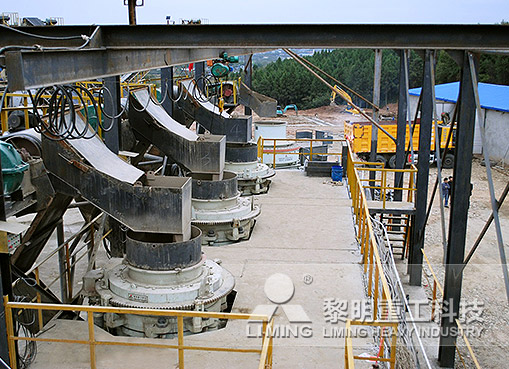 Fine Flake Graphite & Spodumene Intergrowth in Brazil: Low-Slip Closed-Circuit Crushing to Prevent Over-Grinding
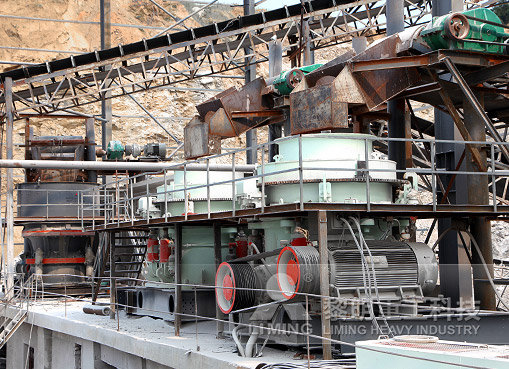 Mobile Spodumene Graphite Test Plant in Tanzania: Wheeled K Series Mobile Crushing for Bulk Sampling & Pilot Campaign
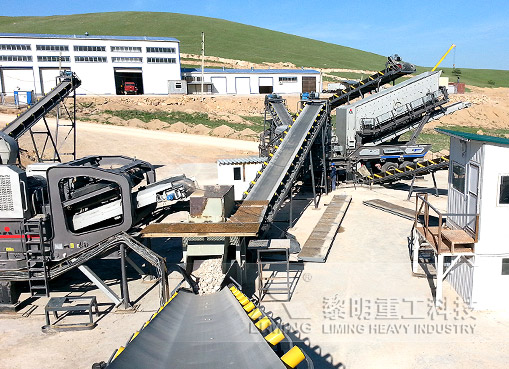 High-Mica Spodumene Graphite Ore in Rwanda: Pre-Screening to Remove Muscovite Before Crushing and Flotation
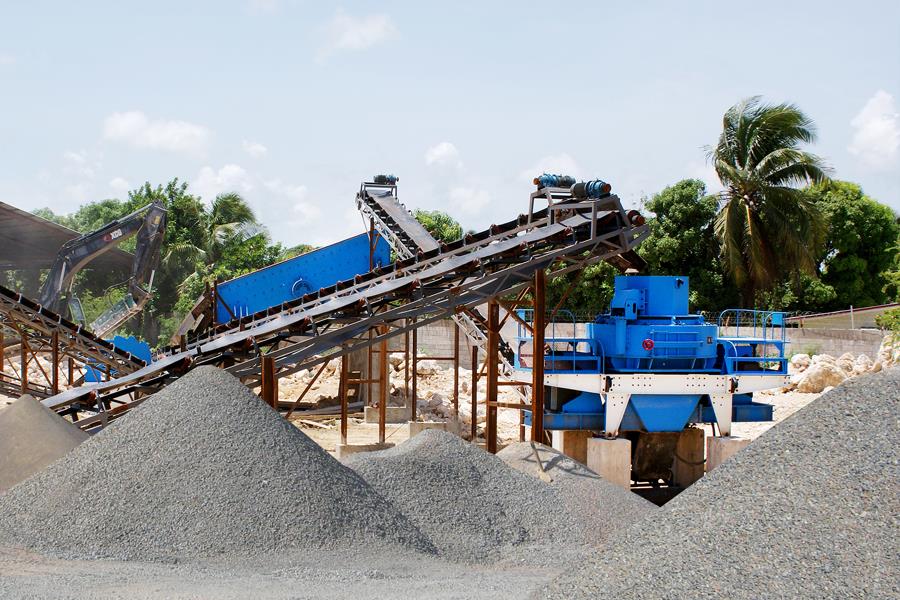 Spodumene Graphite Tailing Retreatment Plant in Australia: Recovering Locked Lithium and Graphite from Historic TailingsContaminated Spodumene Graphite Ore in Mozambique: Wet Scrubbing Circuit Removes Clay Coating Before Crushing & FlotationFine Flake Graphite & Spodumene Intergrowth in Brazil: Low-Slip Closed-Circuit Crushing to Prevent Over-GrindingMobile Spodumene Graphite Test Plant in Tanzania: Wheeled K Series Mobile Crushing for Bulk Sampling & Pilot CampaignHigh-Mica Spodumene Graphite Ore in Rwanda: Pre-Screening to Remove Muscovite Before Crushing and FlotationSpodumene Graphite Tailing Retreatment Plant in Australia: Recovering Locked Lithium and Graphite from Historic Tailings
