
Search
A 1,000-ton-per-hour gravel production line typically requires a feeder, crusher, screen, and conveyor system.To learn about gravel production line configuration options, click here for a consultation.1. Feeding System:
A 1,000-ton-per-hour gravel production line typically requires a feeder, crusher, screen, and conveyor system.
To learn about gravel production line configuration options, click here for a consultation.
1. Feeding System:
The feeder is a critical component of the production line, designed to steadily feed large rocks to the crusher. Its core is the vibrating feeder, which precisely controls the rock flow rate by adjusting the vibration frequency, ensuring continuous and uniform feed to the crusher and improving production efficiency. Some advanced systems also include a humidifier to effectively reduce dust generation during stone conveying, creating a cleaner and safer working environment.
2. Crushing System:
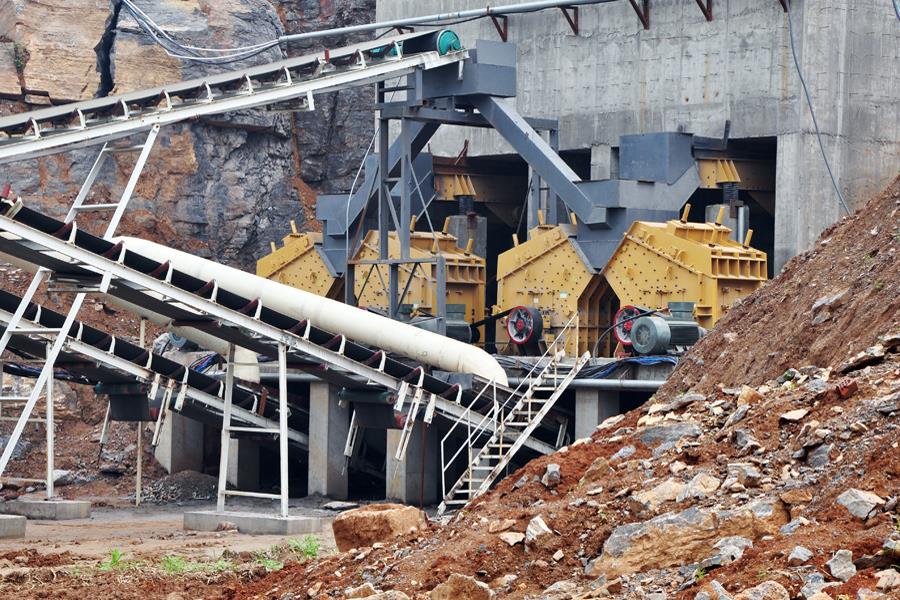
As a key component of the production line, the crushing system often utilizes a two-stage crushing strategy. First, a jaw crusher performs primary crushing of large rocks, effectively reducing their volume and preparing them for subsequent processing. Subsequently, a cone crusher or impact crusher is introduced to further refine the primary crushed material to meet the particle size requirements for subsequent production or processing. This staged crushing design not only improves crushing efficiency but also ensures the quality and consistency of the finished product.
3. Screening System:
The core equipment of a screening system is often a circular vibrating screen, which flexibly adapts to either a "screen before crushing" or "crush before screening" process. Its primary function is to accurately screen and classify stone materials into different particle sizes, facilitating subsequent processing, handling, or transportation, ensuring a smooth and efficient production process.
4. Transportation System:
In addition to the aforementioned mechanical equipment, a complete production line requires the support of conveyor belts, which connect the various pieces of equipment and ensure smooth production. Dust covers can be added to the conveyor belts to ensure environmentally friendly production.

Previous: SMP Crusher
Next: SMP Crusher
A 1,000-ton-per-hour gravel production line typically requires a feeder, crusher, screen, and conveyor system.To learn about gravel production line configuration options, click here for a consultation.1. Feeding System:
A 1,000-ton-per-hour gravel production line typically requires a feeder, crusher, screen, and conveyor system.
To learn about gravel production line configuration options, click here for a consultation.
1. Feeding System:
The feeder is a critical component of the production line, designed to steadily feed large rocks to the crusher. Its core is the vibrating feeder, which precisely controls the rock flow rate by adjusting the vibration frequency, ensuring continuous and uniform feed to the crusher and improving production efficiency. Some advanced systems also include a humidifier to effectively reduce dust generation during stone conveying, creating a cleaner and safer working environment.
2. Crushing System:
As a key component of the production line, the crushing system often utilizes a two-stage crushing strategy. First, a jaw crusher performs primary crushing of large rocks, effectively reducing their volume and preparing them for subsequent processing. Subsequently, a cone crusher or impact crusher is introduced to further refine the primary crushed material to meet the particle size requirements for subsequent production or processing. This staged crushing design not only improves crushing efficiency but also ensures the quality and consistency of the finished product.
3. Screening System:
The core equipment of a screening system is often a circular vibrating screen, which flexibly adapts to either a "screen before crushing" or "crush before screening" process. Its primary function is to accurately screen and classify stone materials into different particle sizes, facilitating subsequent processing, handling, or transportation, ensuring a smooth and efficient production process.
4. Transportation System:
In addition to the aforementioned mechanical equipment, a complete production line requires the support of conveyor belts, which connect the various pieces of equipment and ensure smooth production. Dust covers can be added to the conveyor belts to ensure environmentally friendly production.
Previous: SMP Crusher
Next: SMP Crusher
 What are the complete sets of 1000 tons per hour stone crusher equipment?
 Shihezi Urban Investment and China Railway 14th Bureau jointly built a 600-ton-per-hour river pebble crushing and sand making project
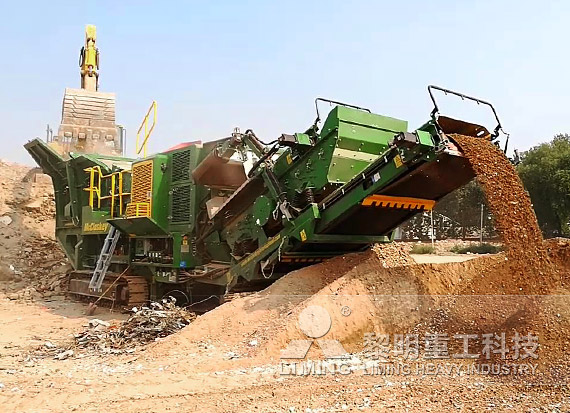 Shibang Project 400000 tons of resource recycling production line per year in Huangshan Anhui
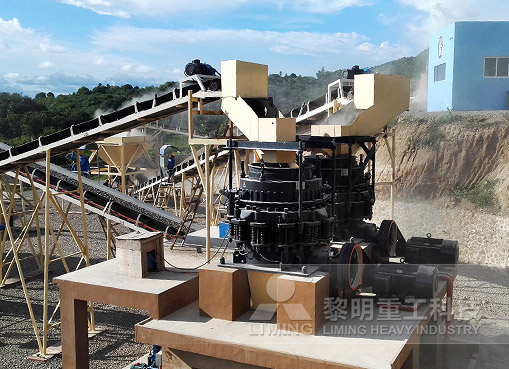 How much does a mobile sand making machine cost? Introduction to the price and advantages of mobile sand making machine
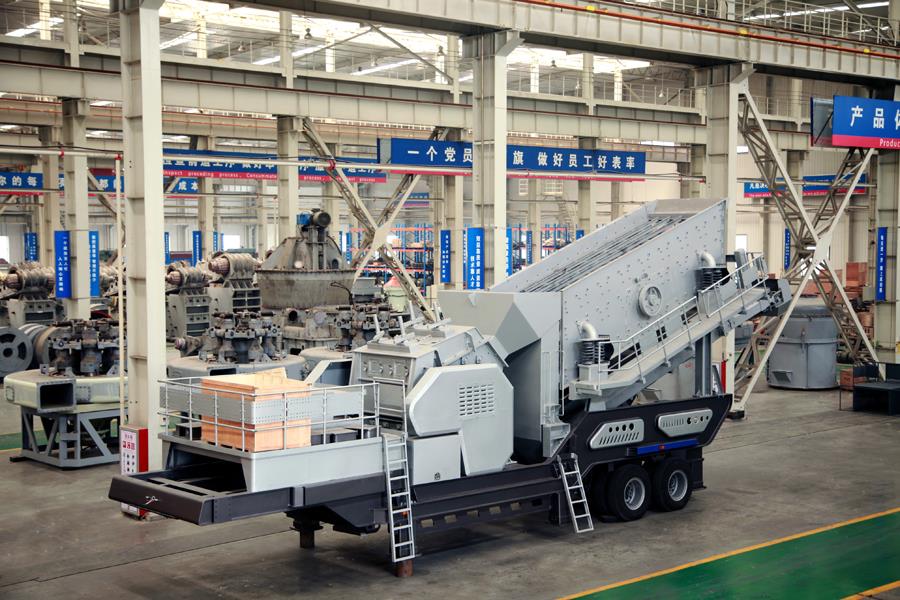 20,000 tons per day crusher price and crushing production line processWhat are the complete sets of 1000 tons per hour stone crusher equipment?Shihezi Urban Investment and China Railway 14th Bureau jointly built a 600-ton-per-hour river pebble crushing and sand making projectShibang Project 400000 tons of resource recycling production line per year in Huangshan AnhuiHow much does a mobile sand making machine cost? Introduction to the price and advantages of mobile sand making machine20,000 tons per day crusher price and crushing production line process