
Search
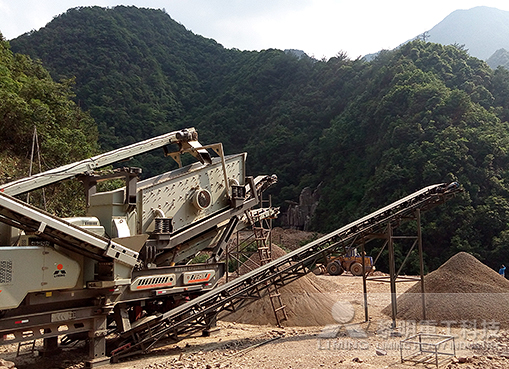
Limestone is a common and important material in the crushing and screening industry, widely used in construction and the production of industrial raw materials. Limestone crushing and sand production lines are widespread, with typical hourly production capacities of...
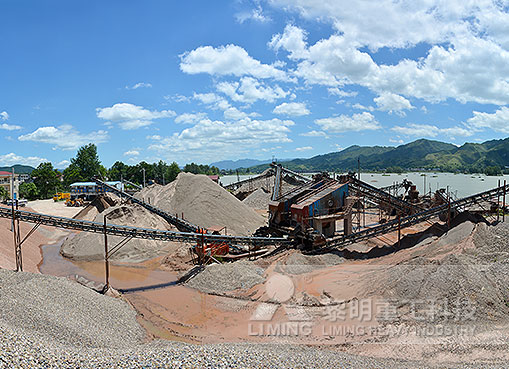
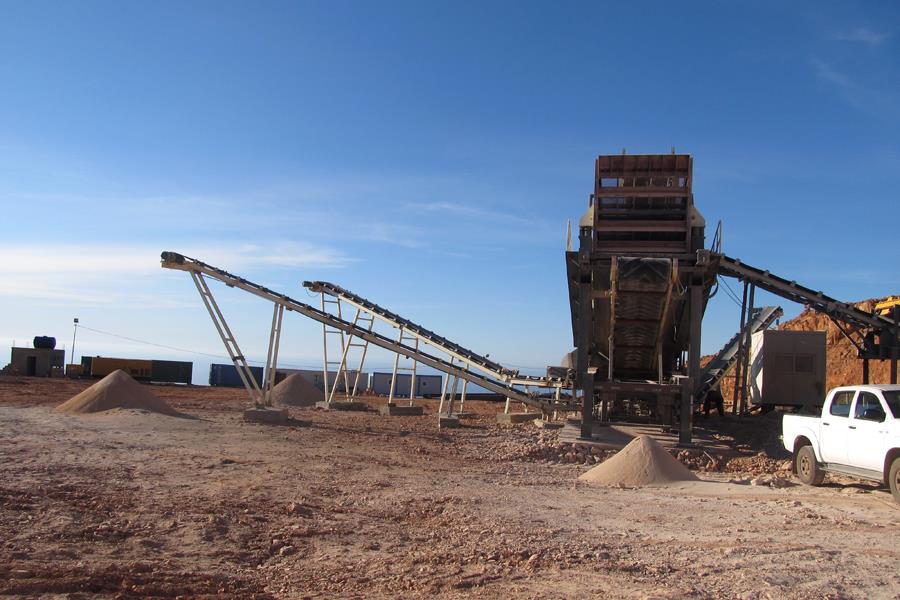
Limestone is a common and important material in the crushing and screening industry, widely used in the production of building materials and industrial raw materials. Limestone crushing and sand production lines are widespread, with typical hourly capacities ranging from 100 tons to several thousand tons. The following example will consider a 1000 tons per hour aggregate production line to provide a detailed description of equipment selection, technological process, production line layout, and dust suppression aspects of a sand and gravel production line.
Limestone Production Line
Characteristics and Distribution of Limestone
The main component of limestone is calcium carbonate (CaCO3) with a specific gravity of approximately 2.7 (specific gravity of the stone, not bulk density). It has medium hardness and low abrasiveness. Limestone is widely distributed in 29 provinces, municipalities, and autonomous regions of China, including:
Shaanxi Province: reserves of 4.9 billion tons, the largest in the country.
Anhui Province, Guangxi Zhuang Autonomous Region, and Sichuan Province (including Chongqing Municipality): reserves of 3.4–3 billion tons each.
Shandong, Hebei, Henan, Guangdong, Liaoning, Hunan, and Hubei: reserves of 3–2 billion tons each.
Previous: SMP Crusher
Next: SMP Crusher
Limestone is a common and important material in the crushing and screening industry, widely used in construction and the production of industrial raw materials. Limestone crushing and sand production lines are widespread, with typical hourly production capacities of...
Limestone is a common and important material in the crushing and screening industry, widely used in the production of building materials and industrial raw materials. Limestone crushing and sand production lines are widespread, with typical hourly capacities ranging from 100 tons to several thousand tons. The following example will consider a 1000 tons per hour aggregate production line to provide a detailed description of equipment selection, technological process, production line layout, and dust suppression aspects of a sand and gravel production line.
Limestone Production Line
Characteristics and Distribution of Limestone
The main component of limestone is calcium carbonate (CaCO3) with a specific gravity of approximately 2.7 (specific gravity of the stone, not bulk density). It has medium hardness and low abrasiveness. Limestone is widely distributed in 29 provinces, municipalities, and autonomous regions of China, including:
Shaanxi Province: reserves of 4.9 billion tons, the largest in the country.
Anhui Province, Guangxi Zhuang Autonomous Region, and Sichuan Province (including Chongqing Municipality): reserves of 3.4–3 billion tons each.
Shandong, Hebei, Henan, Guangdong, Liaoning, Hunan, and Hubei: reserves of 3–2 billion tons each.
Previous: SMP Crusher
Next: SMP Crusher
 How to choose a manufacturer of sand production equipment
 How to build a large-scale production line for basalt sand and crushed stone with a capacity of 3.4 million tons per year?
 Guangdong province has put up for auction three more sand and gravel quarries with total resource reserves of 44 million tons.
 Preferred equipment for producing sand from river pebbles: the key to improving the quality of dry building mixes.
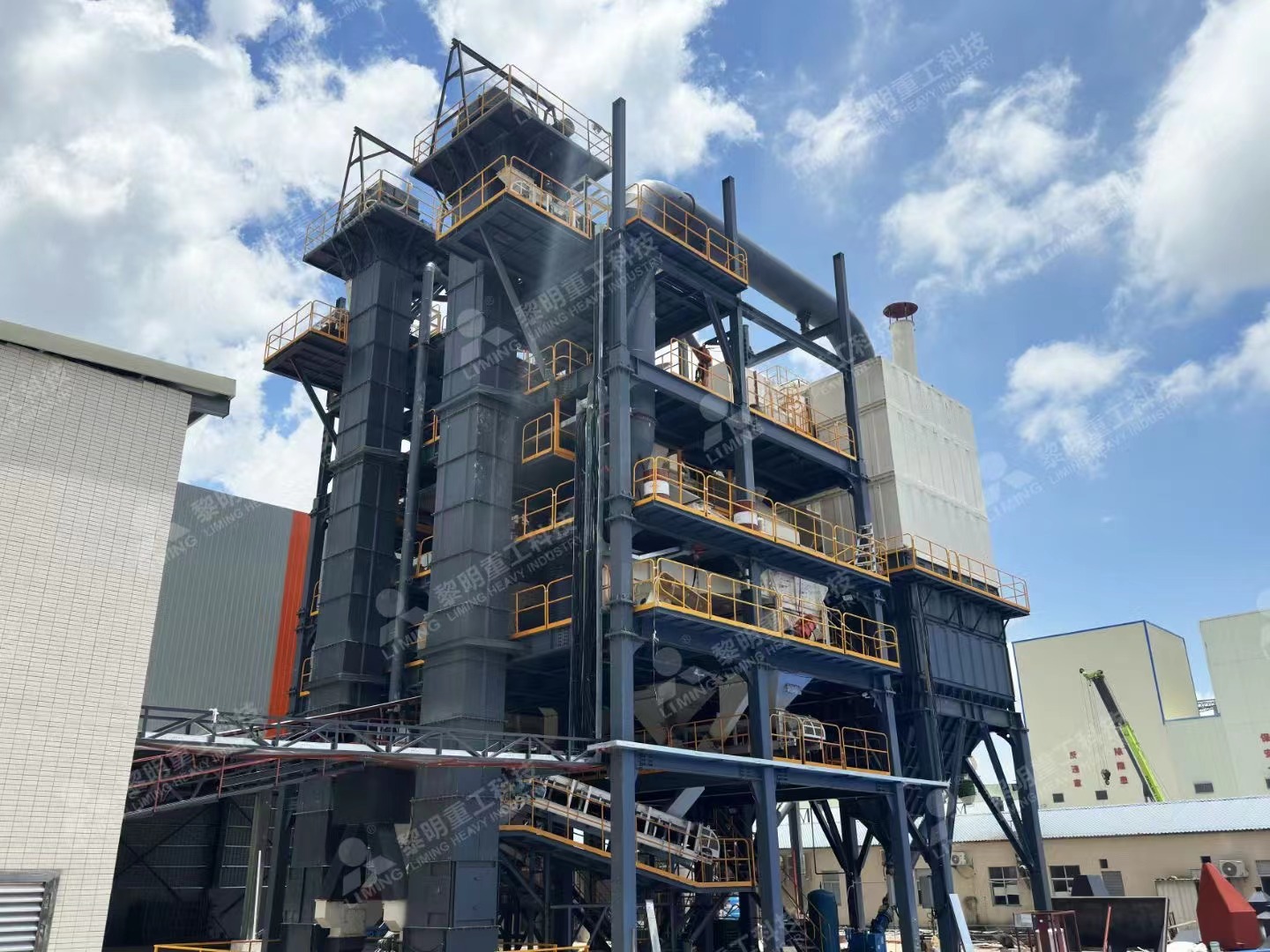 Thanks to total investments exceeding 1.7 billion yuan and an annual production capacity of 3.47 million tons of sand and gravel, several key projects in Shaoguan, Guangdong Province, have achieved new progress.How to choose a manufacturer of sand production equipmentHow to build a large-scale production line for basalt sand and crushed stone with a capacity of 3.4 million tons per year?Guangdong province has put up for auction three more sand and gravel quarries with total resource reserves of 44 million tons.Preferred equipment for producing sand from river pebbles: the key to improving the quality of dry building mixes.Thanks to total investments exceeding 1.7 billion yuan and an annual production capacity of 3.47 million tons of sand and gravel, several key projects in Shaoguan, Guangdong Province, have achieved new progress.