
Search
Gravel is a crucial component of projects like concrete and building materials, and its specifications and quality directly impact the quality of the project. To meet the needs of different projects, gravel is available in a variety of sizes and models
Gravel is a crucial component of projects like concrete and building materials, and its specifications and quality directly impact the quality of the project. To meet the needs of different projects, gravel is available in a variety of sizes and models. Furthermore, different crushing equipment plays a key role in gravel production. This article will provide a detailed introduction to common gravel sizes and models, as well as recommended crushing equipment.
Gravel Crusher Price
1. Gravel Specifications
Gravel specifications are primarily categorized by particle size. Common construction gravel specifications are as follows:
0-5 Gravel: Sand with a particle size of 0-5mm.
5-10 Gravel: Crushed stone with a particle size of 5-10mm.
10-20 Gravel: Crushed stone with a particle size of 10-20mm.
16-31.5 Gravel: Crushed stone with a particle size of 16-31.5mm.
20-40 Gravel: Crushed stone with a particle size of 20-40mm. In addition, gravel can be categorized into continuous grading and single-grain grading based on the grading method:
Continuous grading: Gralparticle sizes vary, including various sizes, such as 5-10mm and 5-20mm. This allows for interstitial fill and improves concrete density.
Single-grain grading: Gralparticle sizes are uniform, such as 10-20mm and 20-40mm, and are suitable for concrete applications.
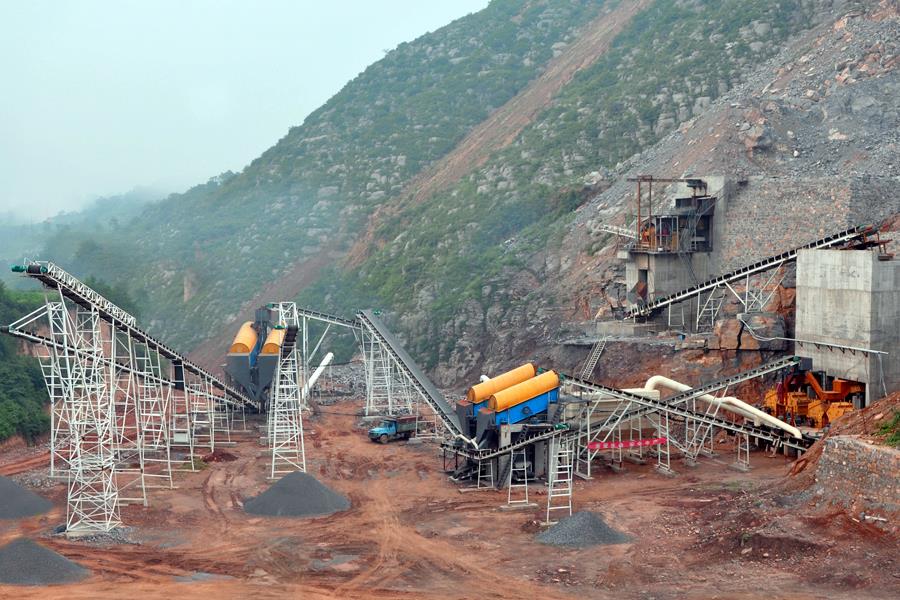
II. Common Crushing Equipment and Their Characteristics
The selection of crushing equipment is crucial in the gravel production process. Different equipment is suitable for crushing different types of stone. The following are several common crushing equipment and their characteristics:
1. Jaw Crusher
Feed Size: ≤1200mm
Production Capacity: 1-1000t/h
Applicable Materials: Coarse crushing of various hard, medium-hard, and soft materials
Features: Strong crushing capacity, stable operation, and simple operation. This is a commonly used primary crushing equipment in the gravel crushing process, producing finished material sizes ranging from 10-350mm.
2. Impact Crusher
Feed Size: ≤800mm
Production Capacity: 30-800t/h
Applicable Materials: Medium-to-fine crushing of medium-hard and soft materials
Features: Excellent particle shape, resulting in cubic, uniformly sized stones. This is a common secondary crushing equipment, with a particle size range of 5-60mm.
3. Cone Crusher
Feed Size: ≤560mm
Production Capacity: 12-2181t/h
Applicable Materials: Medium-to-fine crushing of hard materials such as granite, river pebbles, and marble
Features: Highly durable, suitable for crushing hard materials, with a particle size range of 3-60mm.

4. Sand Making Machine
Feed Particle Size: ≤1200mm
Production Capacity: 3-3000 t/h
Applicable Materials: Medium-to-brittle materials such as limestone, gangue, and coal
Features: Single-stage crushing and shaping, high crushing ratio, capable of crushing materials between 600-1200mm to less than 40mm.
III. Gravel Production Line Equipment Configuration Options
The configuration options for a gravel production line should be selected based on specific needs. The following are several common configuration options:
Option 1:
Equipment: Vibrating Feeder + Jaw Crusher + Cone Crusher + Sand Making Machine + Circular Vibrating Screen + Belt Conveyor
Features: High crushing ratio, fine finished particle size, high output, long equipment life, and low maintenance costs.
Option 2:
Equipment: Vibrating Feeder + Jaw Crusher + Impact Crusher + Sand Making Machine + Circular Vibrating Screen + Belt Conveyor
Features: Suitable for crushing soft materials, low initial investment cost, but high maintenance costs. Option 3:
Equipment: Mobile Crusher + Mobile Screen
Features: Flexible and removable, it can be driven directly to the crushing site, making it suitable for projects requiring high mobility.
As a leader in the mining machinery industry, Shibang Group offers a wide range of efficient and reliable crushing equipment, including jaw crushers, impact crushers, cone crushers, and sand making machines. Shibang Group's equipment excels in crushing capacity, durability, and ease of operation, and is widely used in the crushing of various stone materials.

Previous: SMP Crusher
Next: SMP Crusher
Gravel is a crucial component of projects like concrete and building materials, and its specifications and quality directly impact the quality of the project. To meet the needs of different projects, gravel is available in a variety of sizes and models
Gravel is a crucial component of projects like concrete and building materials, and its specifications and quality directly impact the quality of the project. To meet the needs of different projects, gravel is available in a variety of sizes and models. Furthermore, different crushing equipment plays a key role in gravel production. This article will provide a detailed introduction to common gravel sizes and models, as well as recommended crushing equipment.
Gravel Crusher Price
1. Gravel Specifications
Gravel specifications are primarily categorized by particle size. Common construction gravel specifications are as follows:
0-5 Gravel: Sand with a particle size of 0-5mm.
5-10 Gravel: Crushed stone with a particle size of 5-10mm.
10-20 Gravel: Crushed stone with a particle size of 10-20mm.
16-31.5 Gravel: Crushed stone with a particle size of 16-31.5mm.
20-40 Gravel: Crushed stone with a particle size of 20-40mm. In addition, gravel can be categorized into continuous grading and single-grain grading based on the grading method:
Continuous grading: Gralparticle sizes vary, including various sizes, such as 5-10mm and 5-20mm. This allows for interstitial fill and improves concrete density.
Single-grain grading: Gralparticle sizes are uniform, such as 10-20mm and 20-40mm, and are suitable for concrete applications.
II. Common Crushing Equipment and Their Characteristics
The selection of crushing equipment is crucial in the gravel production process. Different equipment is suitable for crushing different types of stone. The following are several common crushing equipment and their characteristics:
1. Jaw Crusher
Feed Size: ≤1200mm
Production Capacity: 1-1000t/h
Applicable Materials: Coarse crushing of various hard, medium-hard, and soft materials
Features: Strong crushing capacity, stable operation, and simple operation. This is a commonly used primary crushing equipment in the gravel crushing process, producing finished material sizes ranging from 10-350mm.
2. Impact Crusher
Feed Size: ≤800mm
Production Capacity: 30-800t/h
Applicable Materials: Medium-to-fine crushing of medium-hard and soft materials
Features: Excellent particle shape, resulting in cubic, uniformly sized stones. This is a common secondary crushing equipment, with a particle size range of 5-60mm.
3. Cone Crusher
Feed Size: ≤560mm
Production Capacity: 12-2181t/h
Applicable Materials: Medium-to-fine crushing of hard materials such as granite, river pebbles, and marble
Features: Highly durable, suitable for crushing hard materials, with a particle size range of 3-60mm.
4. Sand Making Machine
Feed Particle Size: ≤1200mm
Production Capacity: 3-3000 t/h
Applicable Materials: Medium-to-brittle materials such as limestone, gangue, and coal
Features: Single-stage crushing and shaping, high crushing ratio, capable of crushing materials between 600-1200mm to less than 40mm.
III. Gravel Production Line Equipment Configuration Options
The configuration options for a gravel production line should be selected based on specific needs. The following are several common configuration options:
Option 1:
Equipment: Vibrating Feeder + Jaw Crusher + Cone Crusher + Sand Making Machine + Circular Vibrating Screen + Belt Conveyor
Features: High crushing ratio, fine finished particle size, high output, long equipment life, and low maintenance costs.
Option 2:
Equipment: Vibrating Feeder + Jaw Crusher + Impact Crusher + Sand Making Machine + Circular Vibrating Screen + Belt Conveyor
Features: Suitable for crushing soft materials, low initial investment cost, but high maintenance costs. Option 3:
Equipment: Mobile Crusher + Mobile Screen
Features: Flexible and removable, it can be driven directly to the crushing site, making it suitable for projects requiring high mobility.
As a leader in the mining machinery industry, Shibang Group offers a wide range of efficient and reliable crushing equipment, including jaw crushers, impact crushers, cone crushers, and sand making machines. Shibang Group's equipment excels in crushing capacity, durability, and ease of operation, and is widely used in the crushing of various stone materials.
Previous: SMP Crusher
Next: SMP Crusher
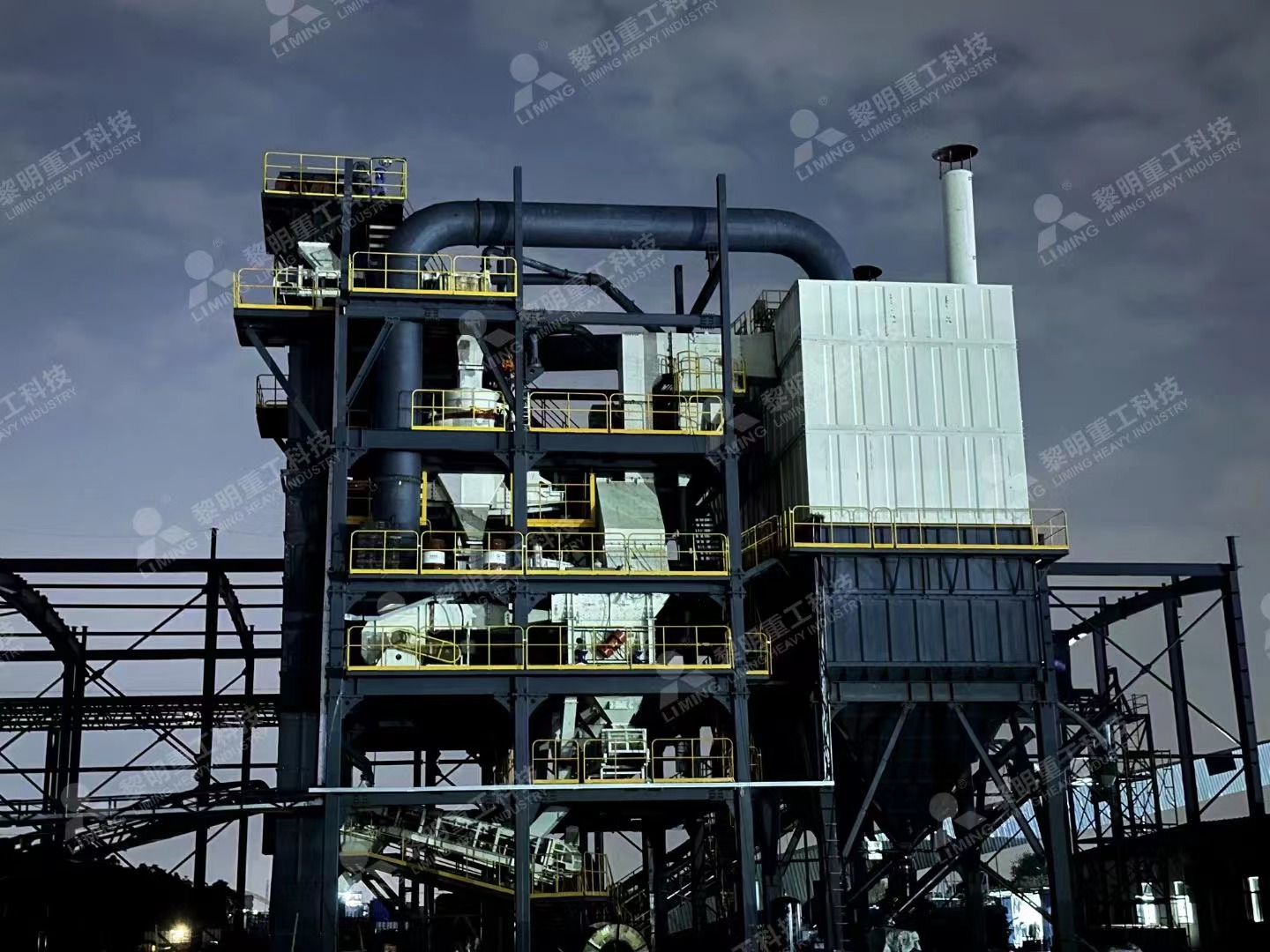 What systems make up a 1000 ton per hour gravel production line?
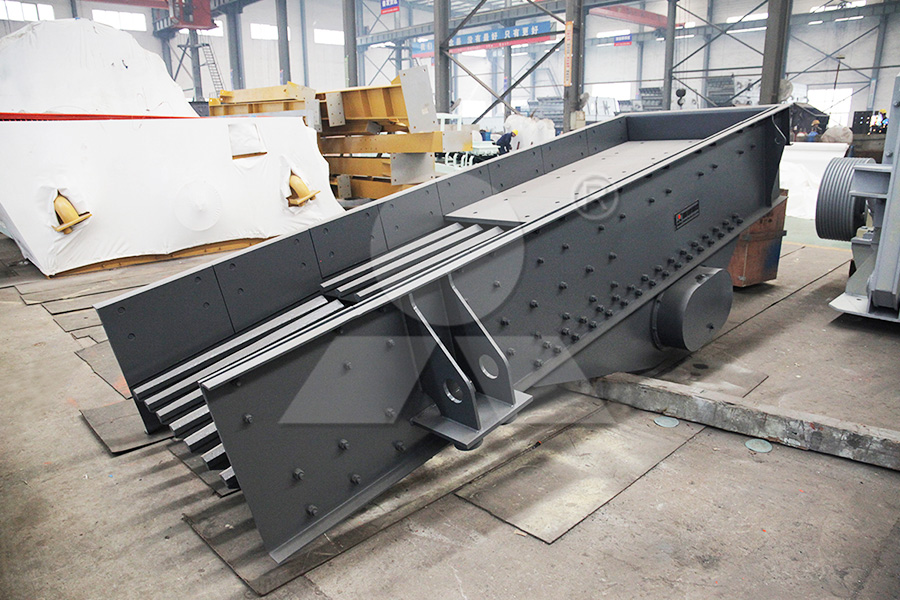 What are the complete sets of 1000 tons per hour stone crusher equipment?
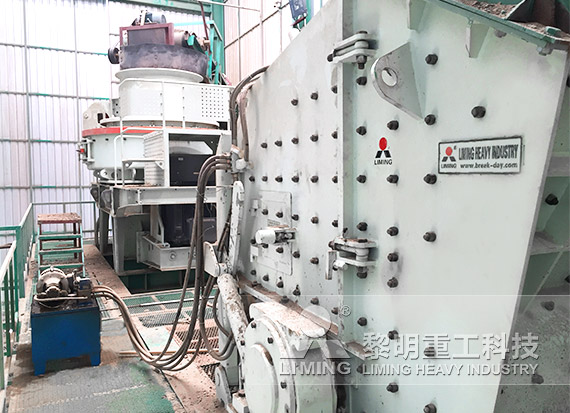 Shihezi Urban Investment and China Railway 14th Bureau jointly built a 600-ton-per-hour river pebble crushing and sand making project
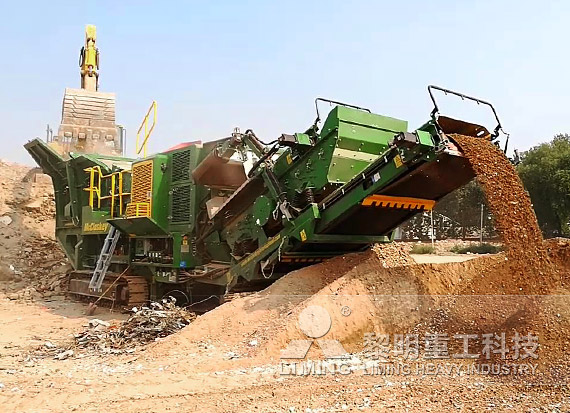 Shibang Project 400000 tons of resource recycling production line per year in Huangshan Anhui
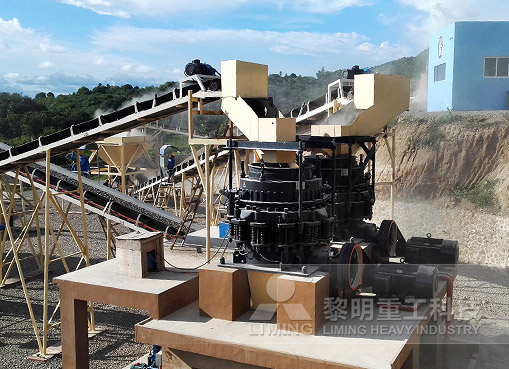 How much does a mobile sand making machine cost? Introduction to the price and advantages of mobile sand making machineWhat systems make up a 1000 ton per hour gravel production line?What are the complete sets of 1000 tons per hour stone crusher equipment?Shihezi Urban Investment and China Railway 14th Bureau jointly built a 600-ton-per-hour river pebble crushing and sand making projectShibang Project 400000 tons of resource recycling production line per year in Huangshan AnhuiHow much does a mobile sand making machine cost? Introduction to the price and advantages of mobile sand making machine