
Search
Within the mining crushing industry, impact sand makers and vertical shaft impact crushers are two common and widely employed sand-making devices. Each possesses distinct advantages, often leaving users perplexed when selecting between them. So, which
Within the mining crushing industry, impact sand makers and vertical shaft impact crushers are two common and widely employed sand-making devices. Each possesses distinct advantages, often leaving users perplexed when selecting between them. So, which of these two machines is superior? How does one choose the most suitable equipment? This article will conduct a comparative analysis across multiple aspects—including feed size, suitable materials, working principles, and production capacity—to assist you in making an informed decision.
Learn more about crushing equipment
Differences in Feed Size
Impact sand makers are typically employed for medium and fine crushing operations, handling feed sizes below 800mm. Their output size is adjustable, making them suitable for producing 12mm and 13mm aggregate. In contrast, vertical shaft impact crushers are better suited to fine crushing tasks, requiring smaller feed sizes and generally processing materials under 55mm. Its discharge size is smaller, controllable within 5mm. Therefore, if the material size is larger, a jaw crusher or cone crusher must be configured for pre-treatment.
Differences in Applicable Materials
Impact sand makers excel at processing softer materials such as coal, coal gangue, coke, and loose limestone. Due to the susceptibility of the impact plates to wear, it is more suitable for crushing and sand-making of medium to low hardness materials. In contrast, the vertical shaft impact crusher employs a combined ‘stone-on-stone’ and ‘stone-on-iron’ working principle, making it suitable for processing medium to high hardness materials such as basalt, quartzite, and granite. It not only performs fine crushing but also shapes the finished product, resulting in sand with more uniform particle size and higher bulk density.
Differences in Working Principles
Impact sand-making machines primarily rely on the high-speed impact of hammer plates and the rebound effect of impact plates to crush materials. Upon entering the crushing chamber, materials undergo multiple impacts from hammer plates and repeated collisions with impact plates, achieving fine crushing. Vertical shaft impact crushers, however, employ mutual collision and grinding between materials for crushing. Upon entering the crushing chamber, material first collides with umbrella-shaped diverted particles, then undergoes secondary impact with vortex material between the rotor and housing, ultimately achieving the desired particle size.
Differences in Production Capacity
In terms of production capacity, the impact sand-making machine demonstrates superior performance, with hourly output ranging from 30 to 800 tonnes, making it suitable for large-scale production. The vertical shaft impact crusher is better suited for small to medium-scale production, with an output capacity of 5 to 100 tonnes per hour. Utilising a single motor drive, the vertical shaft impact crusher consumes less energy and incurs relatively lower operating costs.
Selection Recommendations
In summary, impact sand-making machines are well-suited for processing large-sized materials with higher production capacity, making them ideal for applications requiring substantial output and moderately hard materials. Vertical shaft impact crushers excel at processing fine-grained materials, particularly under high moisture content conditions, offering low energy consumption but relatively lower output. Users should select the most appropriate equipment based on their specific production requirements, material characteristics, and budget.

Previous: SMP Crusher
Next: SMP Crusher
Within the mining crushing industry, impact sand makers and vertical shaft impact crushers are two common and widely employed sand-making devices. Each possesses distinct advantages, often leaving users perplexed when selecting between them. So, which
Within the mining crushing industry, impact sand makers and vertical shaft impact crushers are two common and widely employed sand-making devices. Each possesses distinct advantages, often leaving users perplexed when selecting between them. So, which of these two machines is superior? How does one choose the most suitable equipment? This article will conduct a comparative analysis across multiple aspects—including feed size, suitable materials, working principles, and production capacity—to assist you in making an informed decision.
Learn more about crushing equipment
Differences in Feed Size
Impact sand makers are typically employed for medium and fine crushing operations, handling feed sizes below 800mm. Their output size is adjustable, making them suitable for producing 12mm and 13mm aggregate. In contrast, vertical shaft impact crushers are better suited to fine crushing tasks, requiring smaller feed sizes and generally processing materials under 55mm. Its discharge size is smaller, controllable within 5mm. Therefore, if the material size is larger, a jaw crusher or cone crusher must be configured for pre-treatment.
Differences in Applicable Materials
Impact sand makers excel at processing softer materials such as coal, coal gangue, coke, and loose limestone. Due to the susceptibility of the impact plates to wear, it is more suitable for crushing and sand-making of medium to low hardness materials. In contrast, the vertical shaft impact crusher employs a combined ‘stone-on-stone’ and ‘stone-on-iron’ working principle, making it suitable for processing medium to high hardness materials such as basalt, quartzite, and granite. It not only performs fine crushing but also shapes the finished product, resulting in sand with more uniform particle size and higher bulk density.
Differences in Working Principles
Impact sand-making machines primarily rely on the high-speed impact of hammer plates and the rebound effect of impact plates to crush materials. Upon entering the crushing chamber, materials undergo multiple impacts from hammer plates and repeated collisions with impact plates, achieving fine crushing. Vertical shaft impact crushers, however, employ mutual collision and grinding between materials for crushing. Upon entering the crushing chamber, material first collides with umbrella-shaped diverted particles, then undergoes secondary impact with vortex material between the rotor and housing, ultimately achieving the desired particle size.
Differences in Production Capacity
In terms of production capacity, the impact sand-making machine demonstrates superior performance, with hourly output ranging from 30 to 800 tonnes, making it suitable for large-scale production. The vertical shaft impact crusher is better suited for small to medium-scale production, with an output capacity of 5 to 100 tonnes per hour. Utilising a single motor drive, the vertical shaft impact crusher consumes less energy and incurs relatively lower operating costs.
Selection Recommendations
In summary, impact sand-making machines are well-suited for processing large-sized materials with higher production capacity, making them ideal for applications requiring substantial output and moderately hard materials. Vertical shaft impact crushers excel at processing fine-grained materials, particularly under high moisture content conditions, offering low energy consumption but relatively lower output. Users should select the most appropriate equipment based on their specific production requirements, material characteristics, and budget.
Previous: SMP Crusher
Next: SMP Crusher
 200-tonne-per-hour aggregate crushing production line
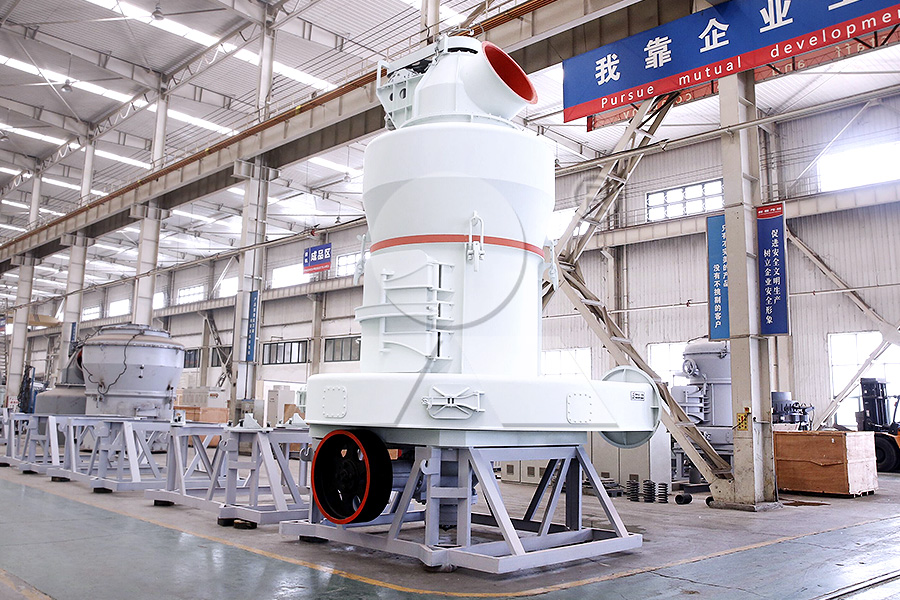 How to select a 200-tonne-per-hour mobile crusher? What is the approximate cost?
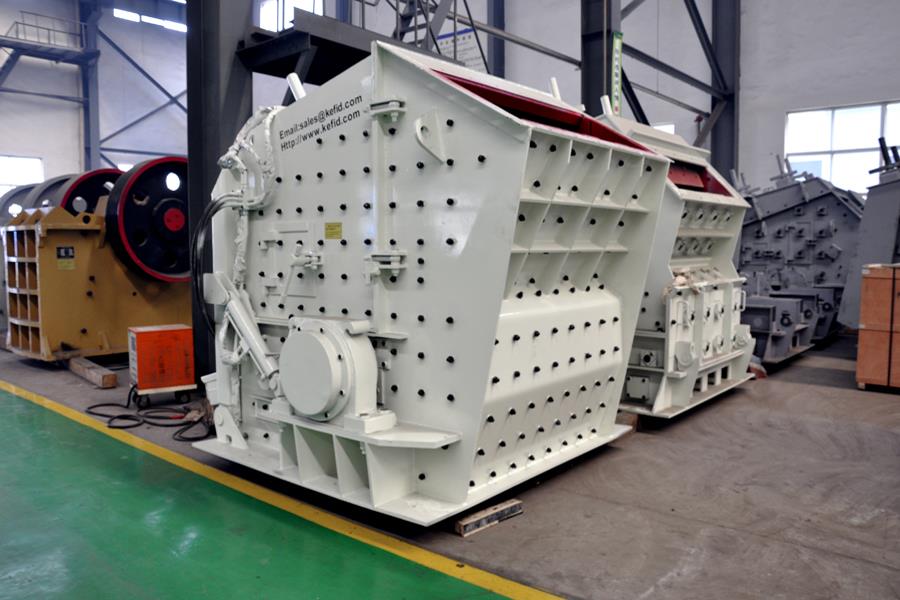 How to configure a 100-tonne-per-hour pebble crushing production line
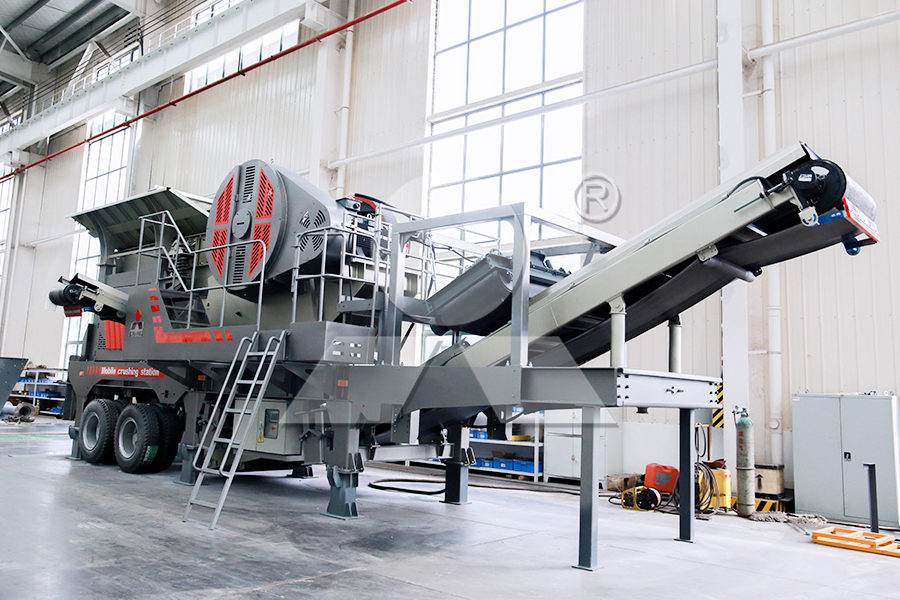 What are the 300-tonne-per-hour crushers available?
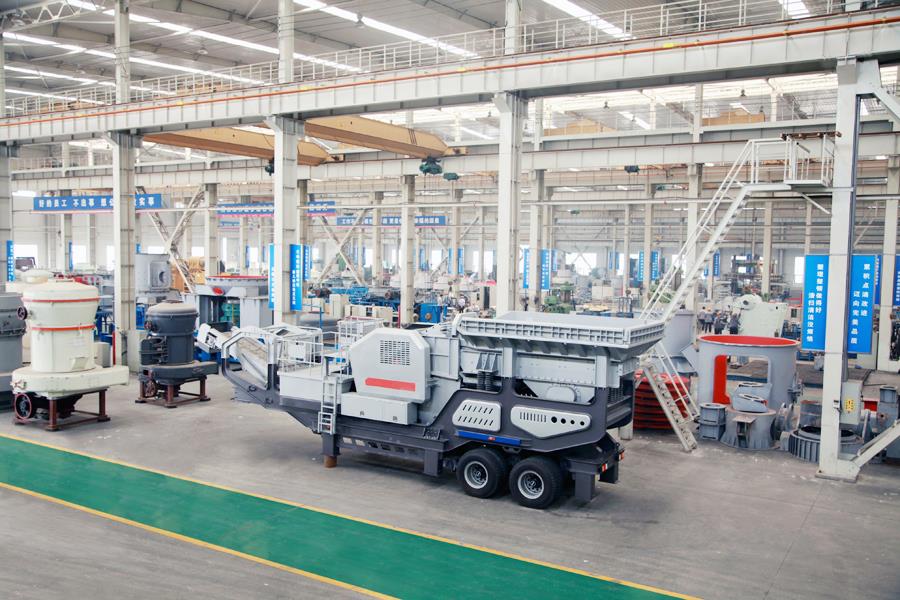 300-tonne-per-hour limestone aggregate production line configuration200-tonne-per-hour aggregate crushing production lineHow to select a 200-tonne-per-hour mobile crusher? What is the approximate cost?How to configure a 100-tonne-per-hour pebble crushing production lineWhat are the 300-tonne-per-hour crushers available?300-tonne-per-hour limestone aggregate production line configuration