
Search
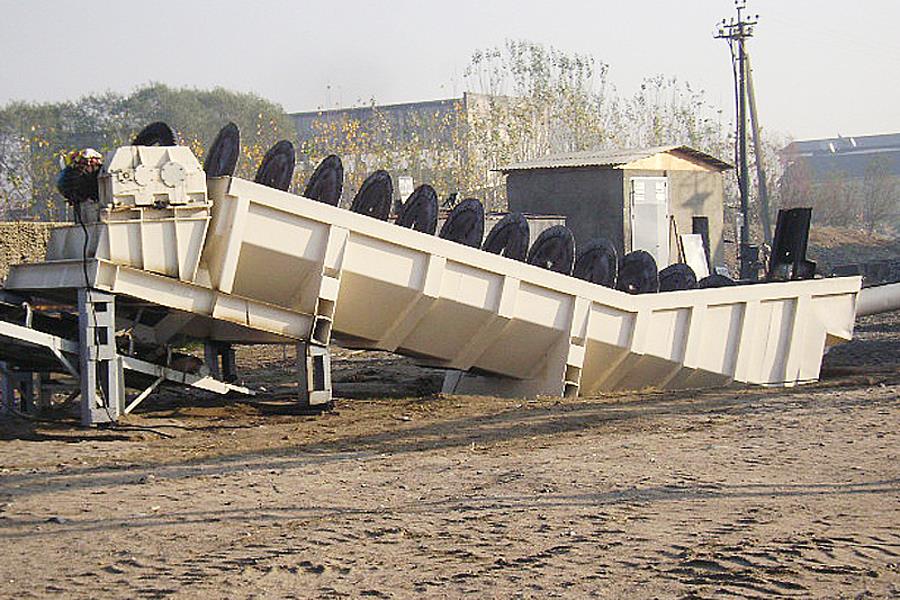
Mongolia is rich in gold ore resources, mostly with low original grade and complex ore properties. Local mining enterprises lack professional mineral processing technology and s
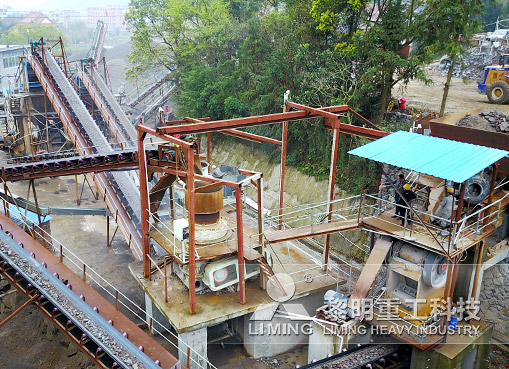
With the global ban on natural river sand mining, high-quality manufactured sand has completely replaced river sand and become the core raw material for modern construction proj
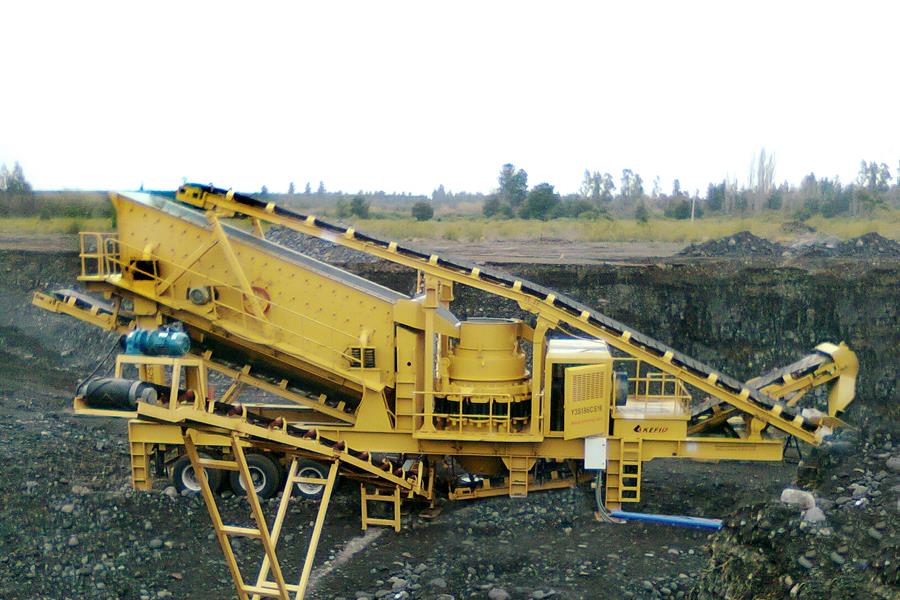
Large open-pit metal mines with annual output of millions of tons require ultra-large-capacity primary crushing equipment. Traditional jaw crushers are limited by feeding size a
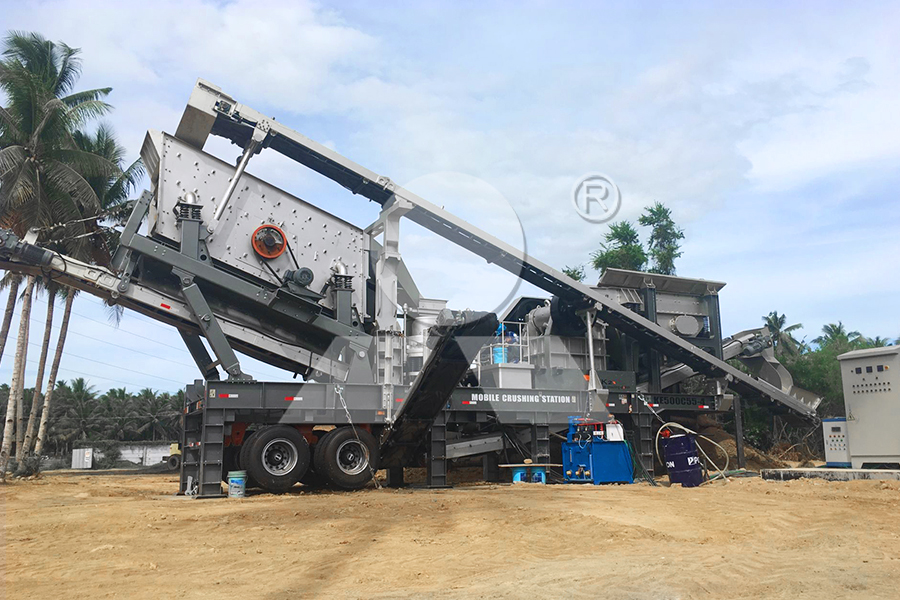
High-grade highway, airport and bridge projects have extremely strict requirements on aggregate cubicity, compression resistance and gradation. Ordinary fine crushing equipment
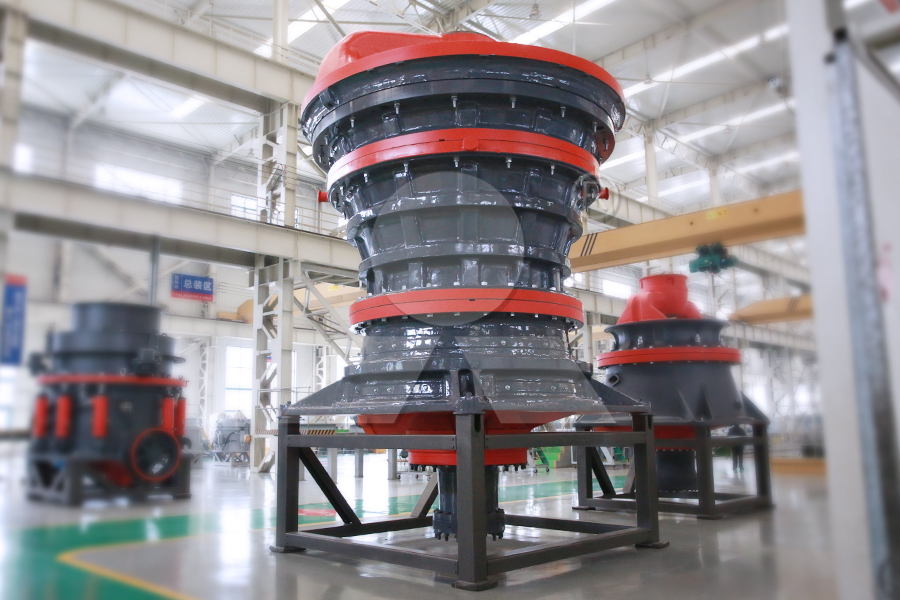
The C6X series jaw crusher is SMP’s new-generation upgraded primary crushing equipment, optimized for global harsh mining and aggregate processing working conditions. Breaking
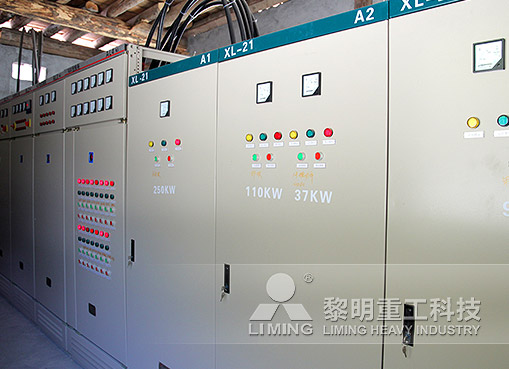
Traditional horizontal spreading crushing lines are widely criticized for messy site layout, large land occupation, serious dust pollution, low automation and unstable product q
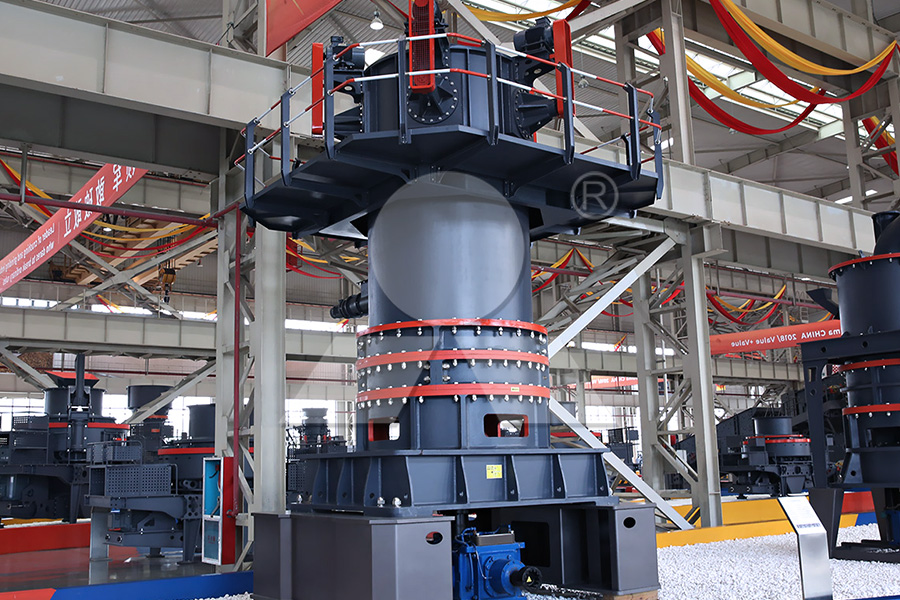
Ukraine’s ongoing infrastructure renovation and road reconstruction projects require a large amount of graded aggregate and recycled construction materials. Traditional fixed
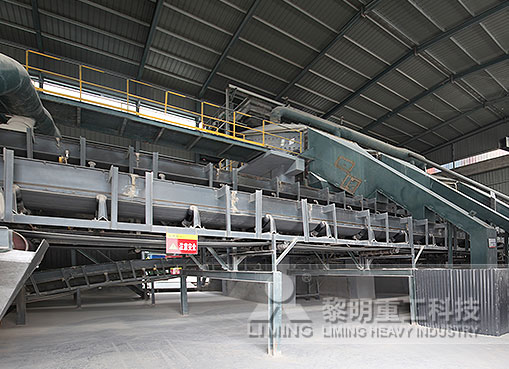
Most low-grade metal ore resources in Mongolia, Tajikistan, Kyrgyzstan and Africa cannot generate economic value through simple crushing. Professional and scientific mineral pro
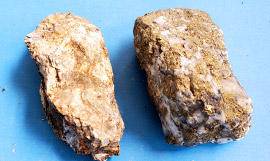
Selecting matched crushing and processing equipment is the core of profitable quarry operation in Russia, Kazakhstan, Uzbekistan, Mongolia and other Central Asian regions. Compl
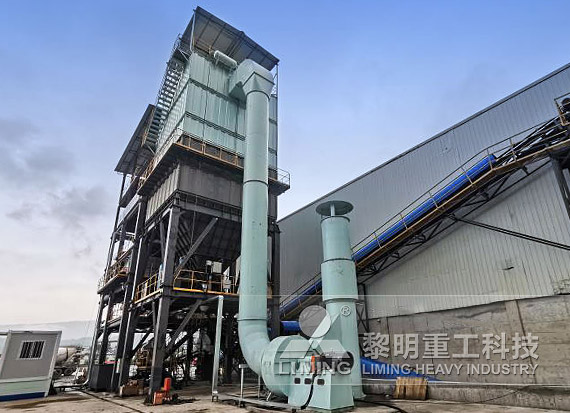
The biggest pain point of overseas mining investment is insufficient after-sales support: difficult spare parts procurement, delayed technical maintenance and long shutdown time
