
Search
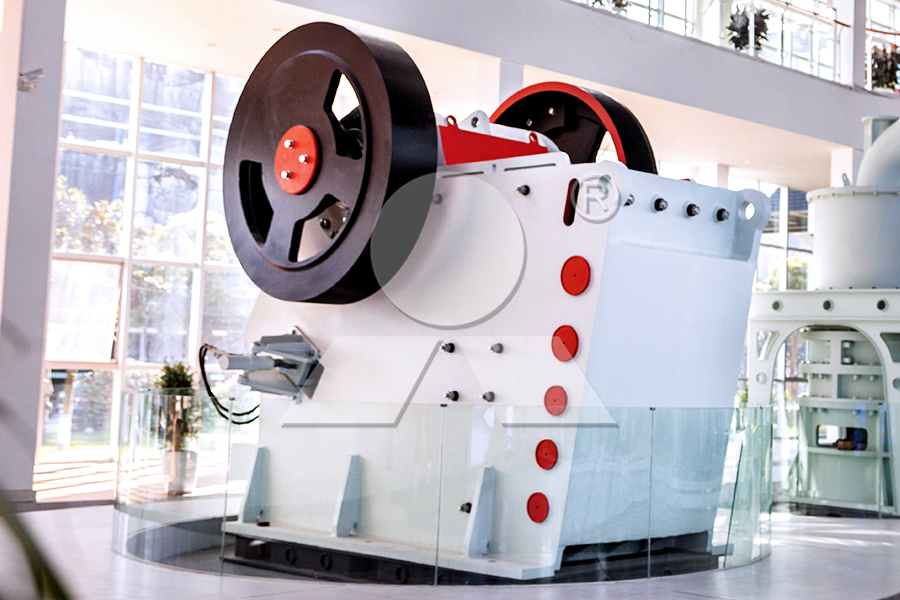
Traditional aggregate production relies on manual experience to proportion raw materials, with random proportioning ratios and unstable finished product gradation. Different raw material hardness and particle sizes lead to fluctuating finished product
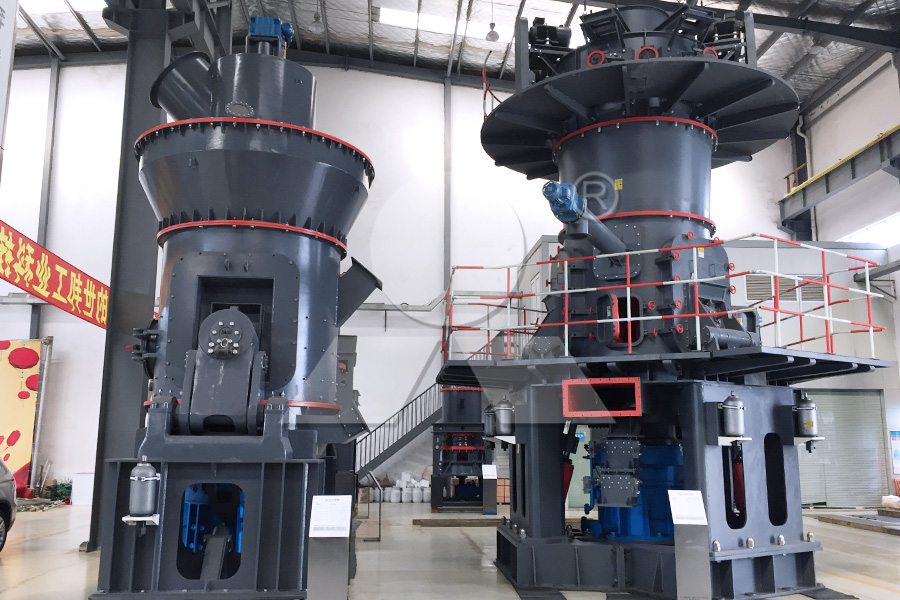
In low-temperature mining areas such as Russia Siberia and northern Central Asia, the hydraulic system of cone crushers and mobile equipment is prone to hydraulic oil solidification, slow system response and pipeline blockage, resulting in equipment fa
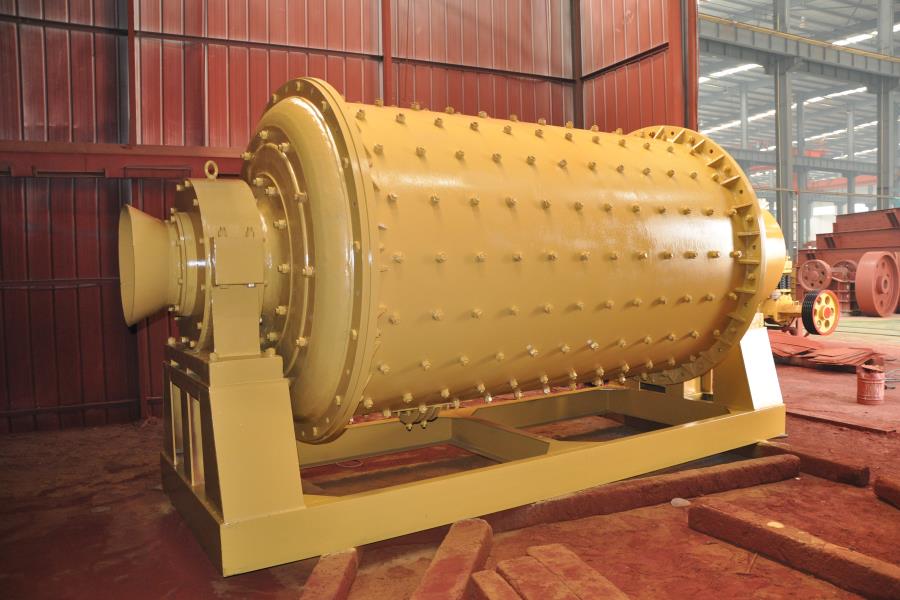
Wet manufactured sand and mineral concentrate after washing and separation have high moisture content, which cannot meet finished product storage, transportation and sales standards. Excessive moisture will cause sand agglomeration and concentrate qual
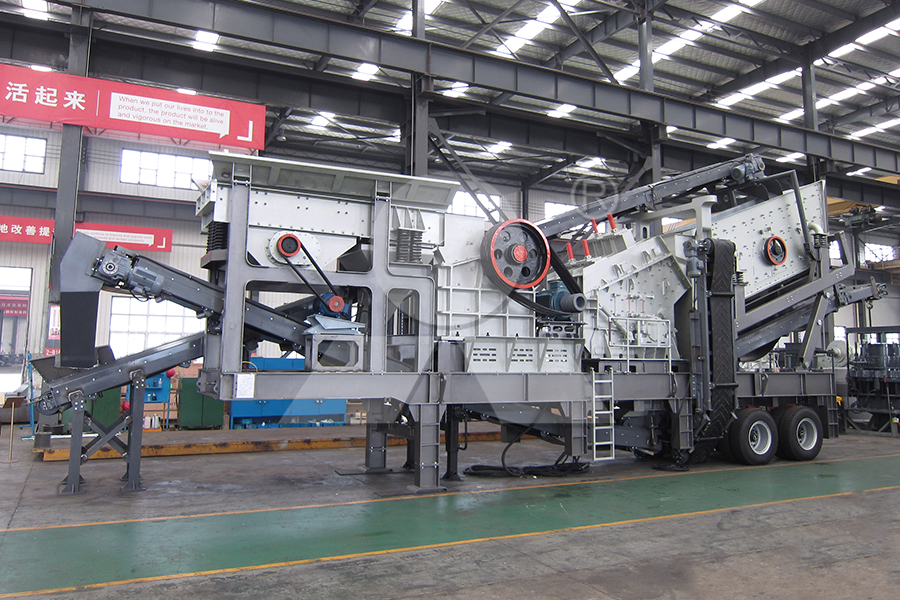
Material blockage is the most common fault in quarry crushing production, easily causing equipment overload shutdown, material accumulation and production interruption, seriously affecting production efficiency and bringing unnecessary economic losses
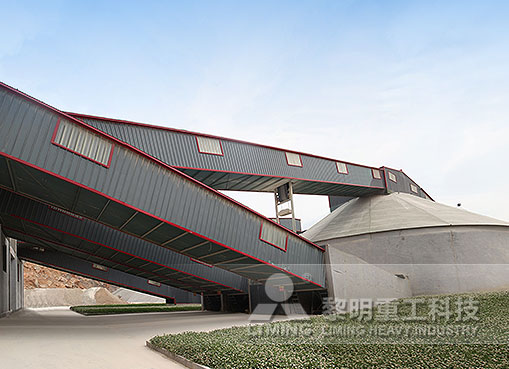
Large-scale quarry construction involves complex links such as site planning, equipment layout, civil construction, equipment installation and system debugging. Non-standard construction processes will lead to chaotic site layout, delayed progress and
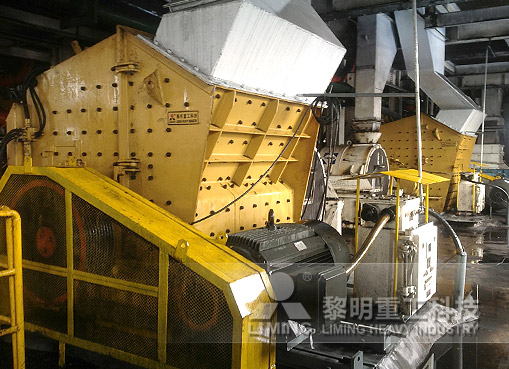
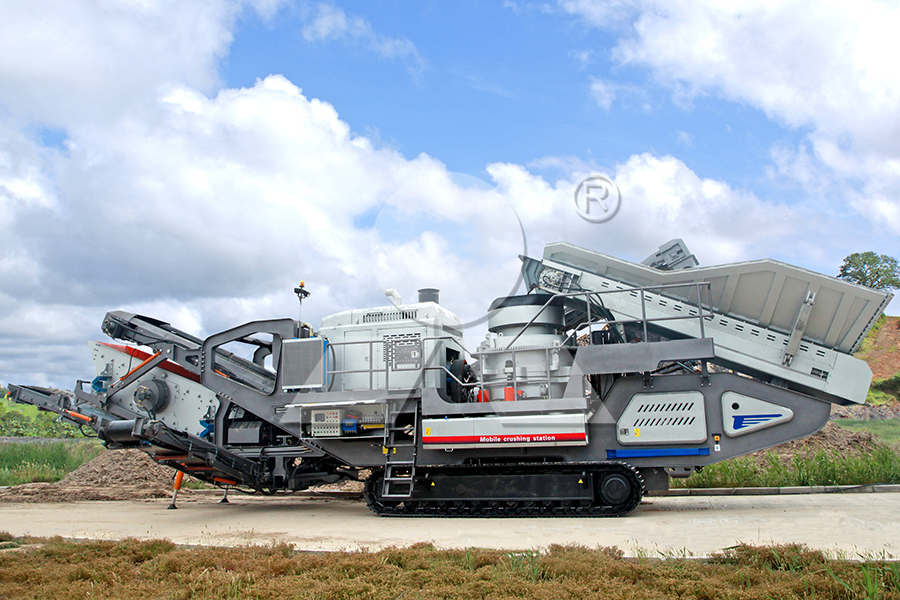
On-site construction and mining scenarios often produce mixed materials including raw stones, construction waste, concrete residues and gravel mixtures. Single-functional mobile crushers cannot adapt to diversified mixed material processing, resulting
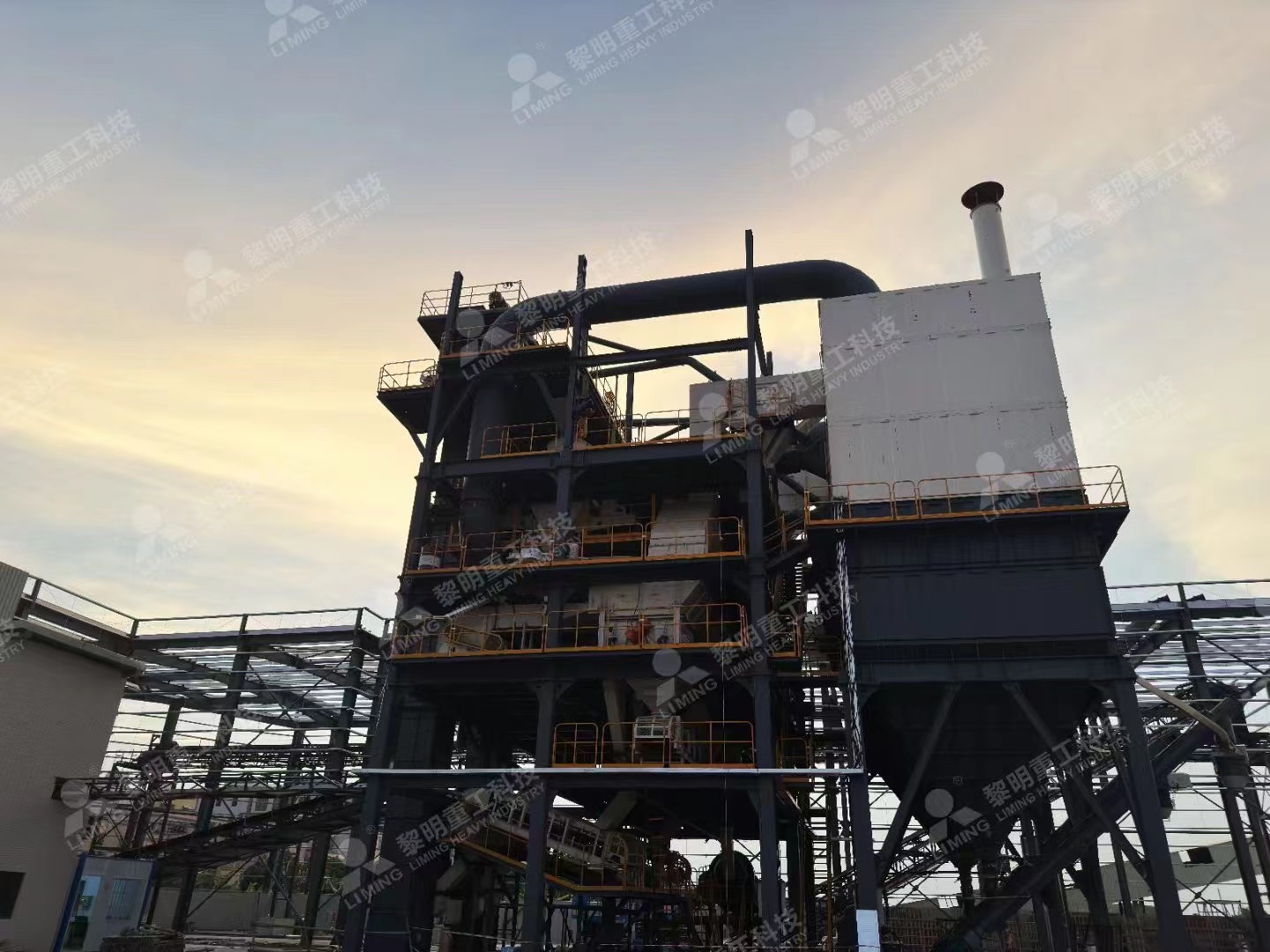
Most mine tailings contain soil, mud, floating dust and miscellaneous impurities. Direct crushing and sand making without washing treatment will lead to high impurity content and poor finished product quality, making tailings recycled materials unable
River pebble and mountain pebble are high-quality aggregate raw materials, but their high hardness and smooth surface lead to low crushing efficiency and high equipment wear in traditional production processes, resulting in low finished product yield a
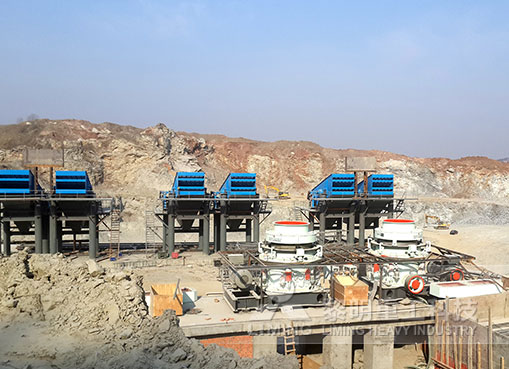
Lubrication is the key to ensuring normal operation of crusher bearings and transmission components. Traditional manual lubrication has inaccurate oil quantity, untimely oil supply and uneven lubrication, easily causing component wear, overheating and
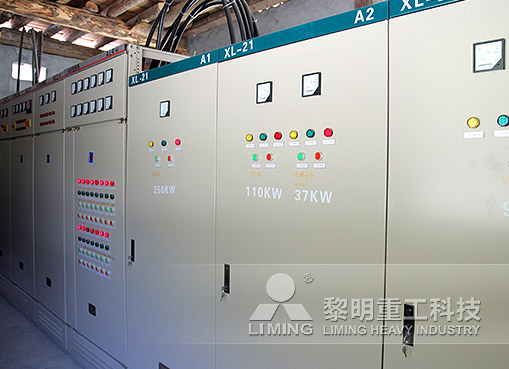
Open-pit quarries and mines produce a large amount of floating dust during crushing, screening and material transportation processes, causing serious air pollution, equipment abrasion and health hazards for workers, and failing to meet global environme
