
Search
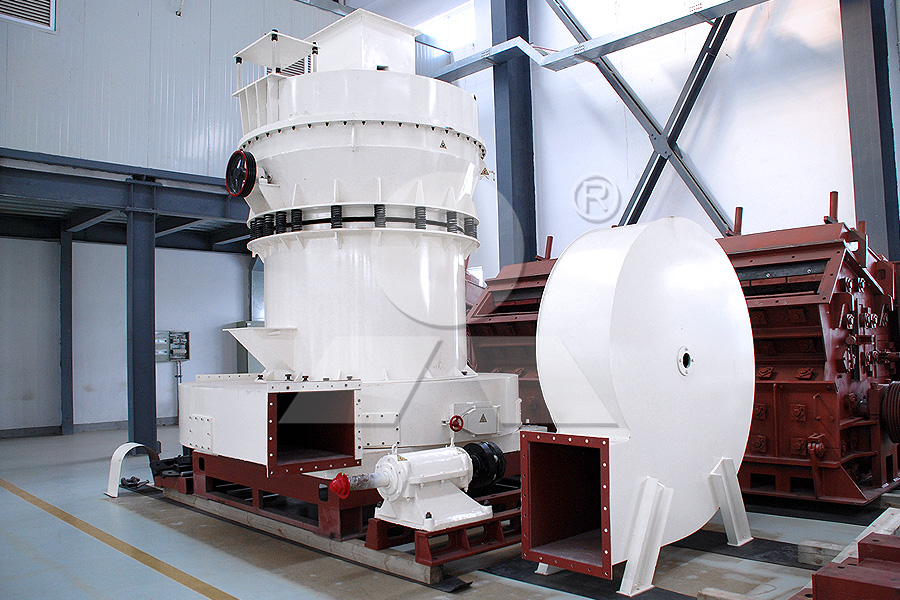
Many old quarries only retain primary crushing processes, resulting in irregular aggregate particle shapes, high flakiness rate and low cubicity. Finished stones fail to meet hi
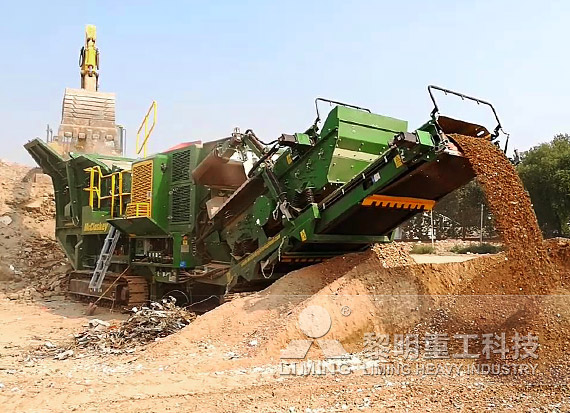
Small family-run quarries and individual mining investors are restricted by limited funds, small site area and low output demand. Large and medium-sized crushing lines have high
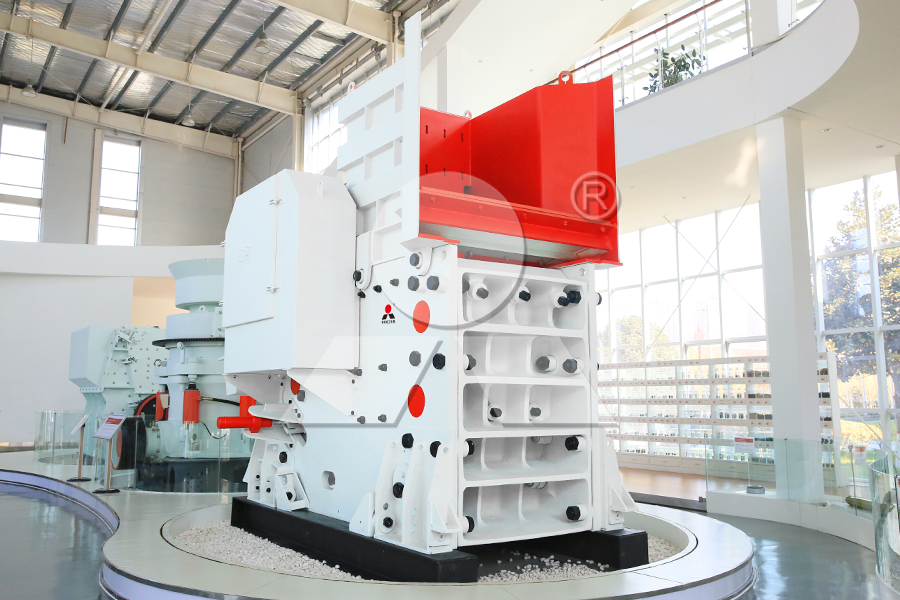
National highway, municipal construction, water conservancy and other government bidding projects have extremely strict requirements for equipment qualification, project cycle,
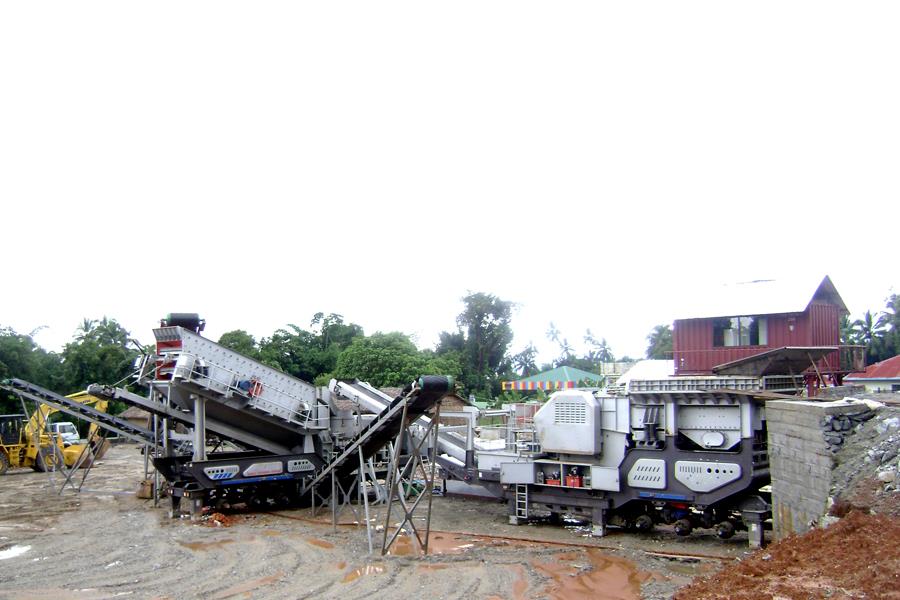
High-latitude cold mining areas face severe winter environmental protection challenges. Traditional dust removal systems are prone to pipeline freezing, fan stalling and filter
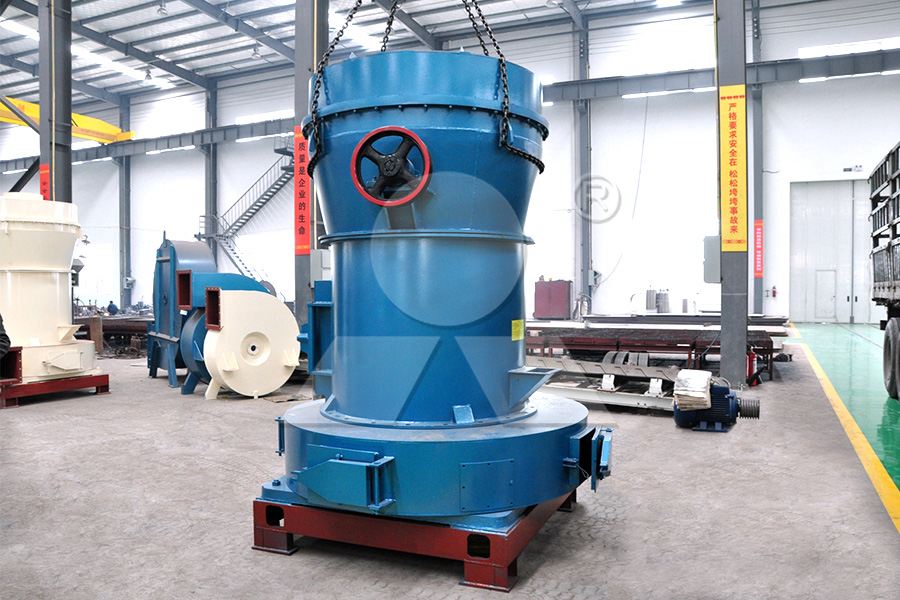
Language barriers have long plagued overseas quarry operation and maintenance. Most traditional crushing equipment only supports single-language operation interfaces, leading to
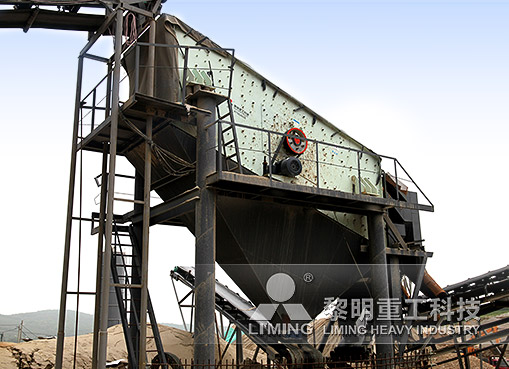
Iron impurities such as scrap iron, iron ore fragments and metal debris mixed in raw mining materials are a hidden danger for aggregate production. These impurities not only wea
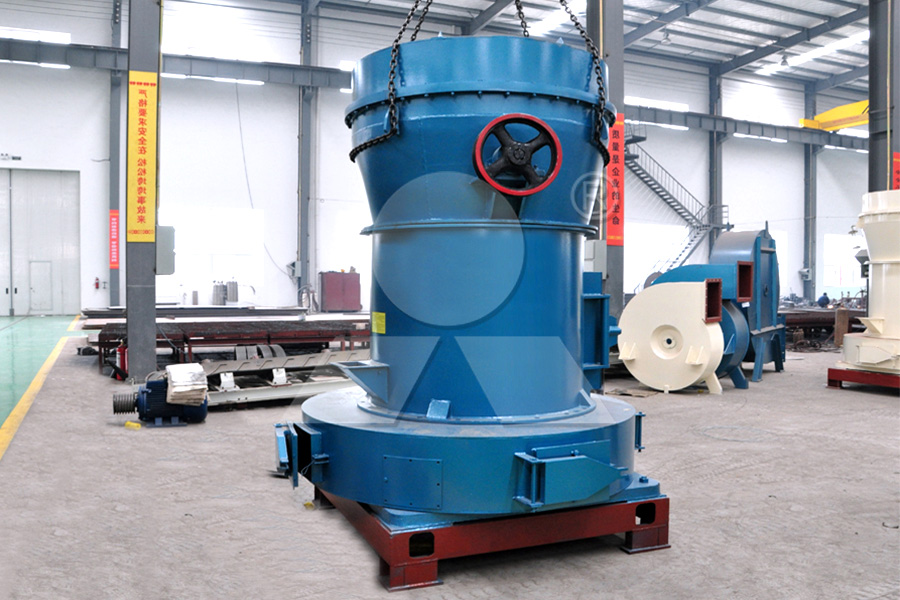
Government infrastructure bidding projects have strict requirements on equipment quality, construction cycle, environmental compliance and after-sales guarantee. Traditional cru

Traditional dust removal systems are prone to pipeline freezing and equipment failure in low-temperature cold regions, unable to ensure normal dust reduction operation and leadi
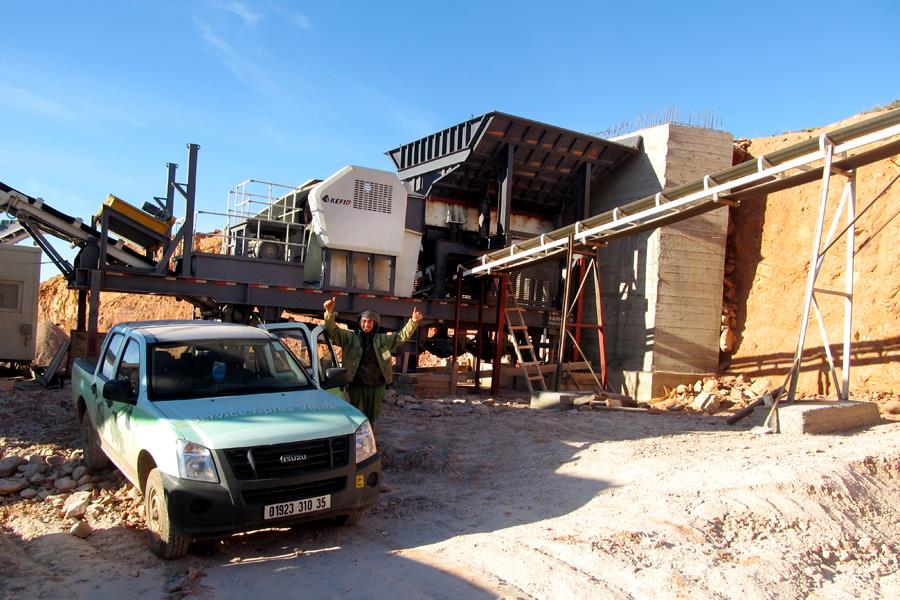
Overseas quarry operators in different regions face language barriers in equipment operation and parameter debugging, easily causing misoperation and affecting production effici
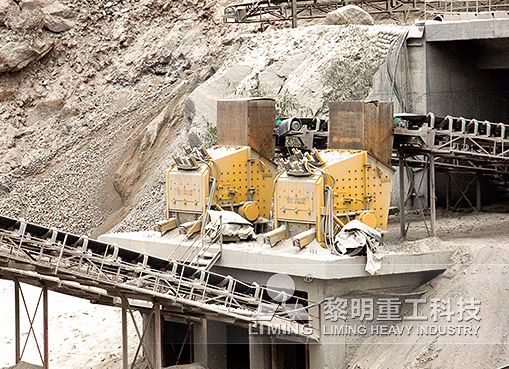
Raw ores often contain iron impurities such as scrap iron and iron ore fragments. Mixed iron impurities will wear crushing equipment severely and reduce finished aggregate purit
