
Search
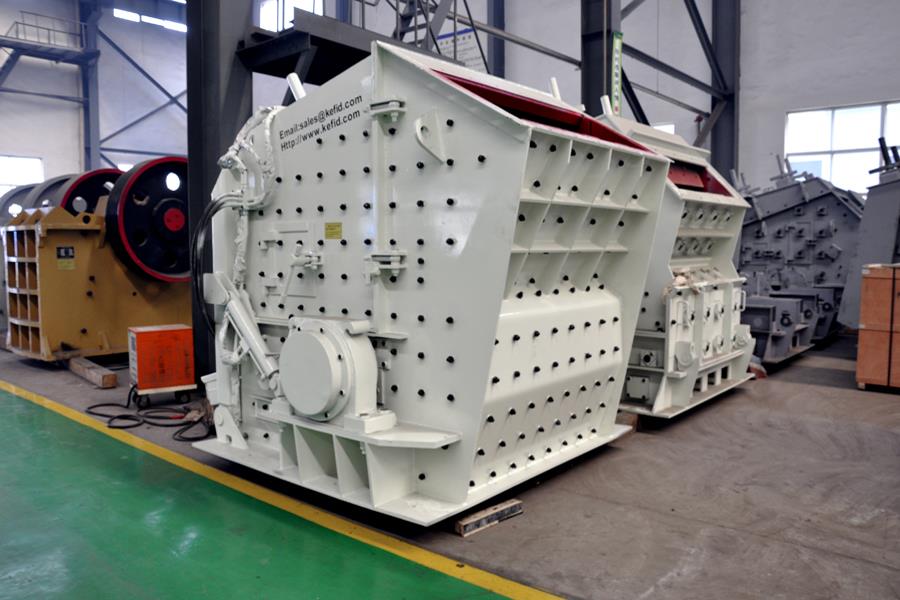
Most quarries have diverse raw material resources, including construction stone, mineral ore and recycled materials. Single-functional production lines cannot meet multi-scenari
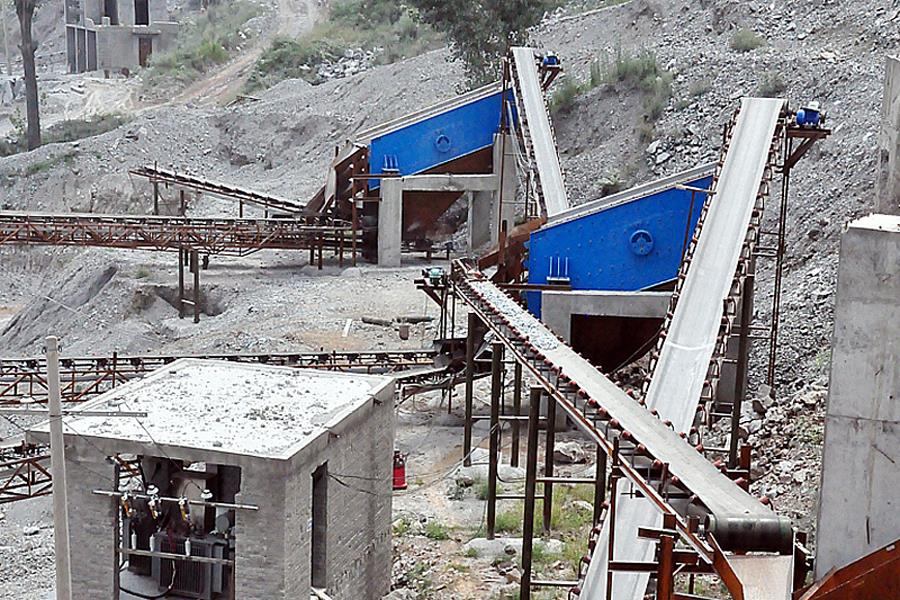
Material blockage is the most common sudden fault in quarry production, easily causing equipment overload damage, long shutdown time and huge economic losses. Traditional crushe
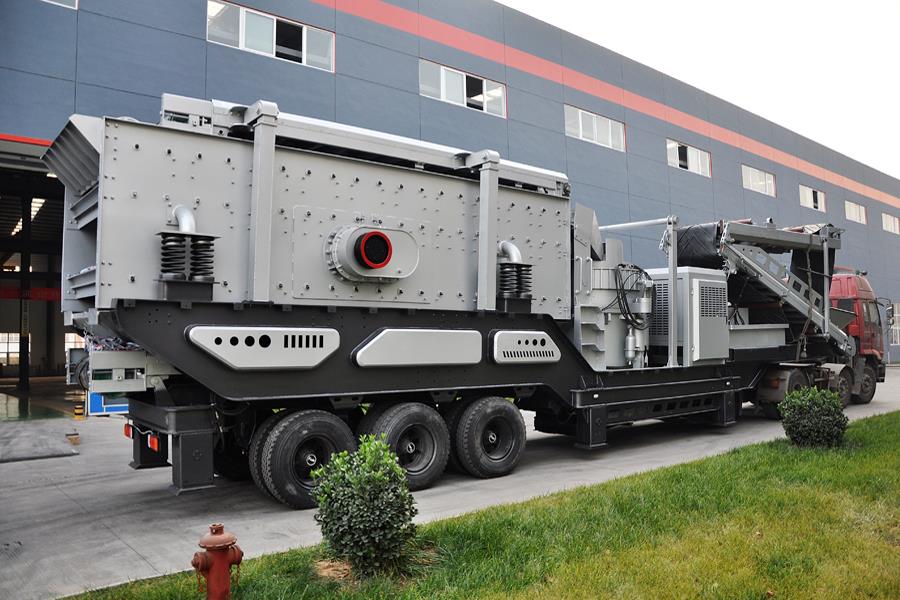
River pebble is a high-quality raw material for manufactured sand production with high hardness and pure texture. However, traditional sand making lines have low processing effi
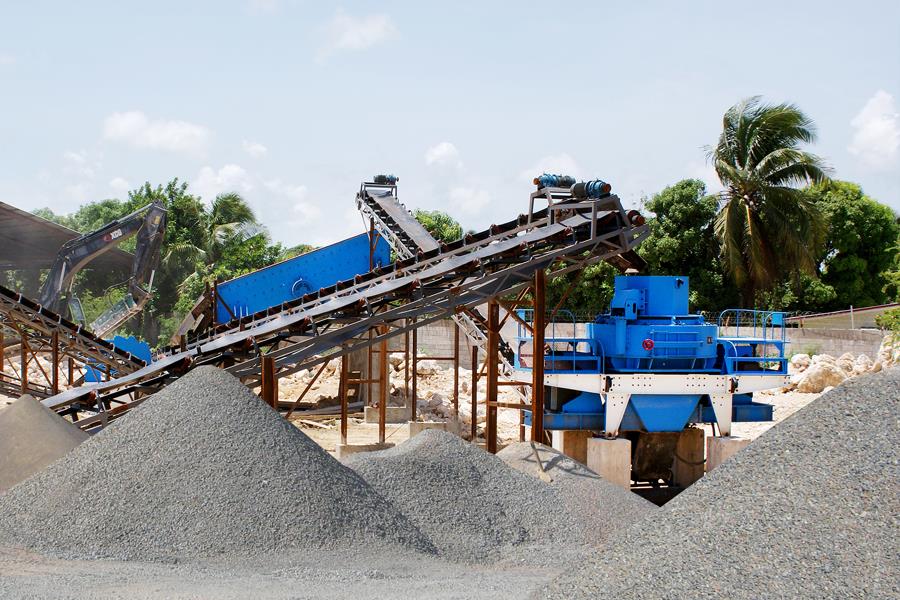
Raw ore and stone materials often carry a large amount of soil, sundries and low-grade waste stones. Direct crushing will dilute finished product quality, increase equipment loa

High maintenance cost is a major pain point of traditional crushing equipment. Non-standard wear parts lead to high replacement prices, long procurement cycles and difficult equ
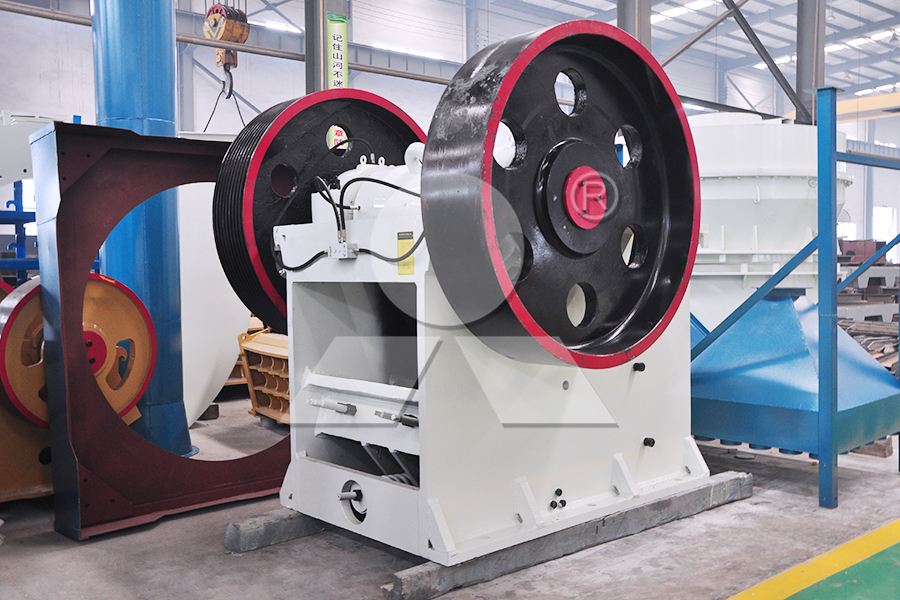
Some mining areas have unstable municipal power supply and high diesel power generation costs. Single power supply mode cannot adapt to complex power conditions, resulting in fr
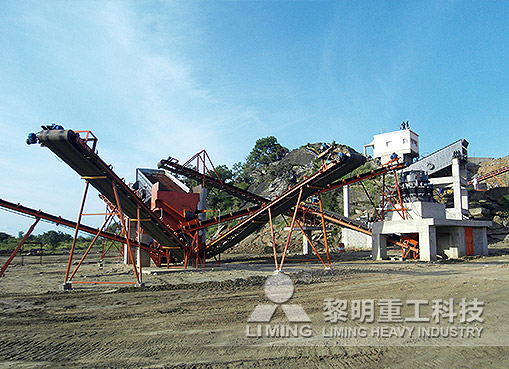
New mining start-ups and individual investors have extremely limited budget and small site area, unable to bear the investment and site cost of medium-sized crushing lines. Simp
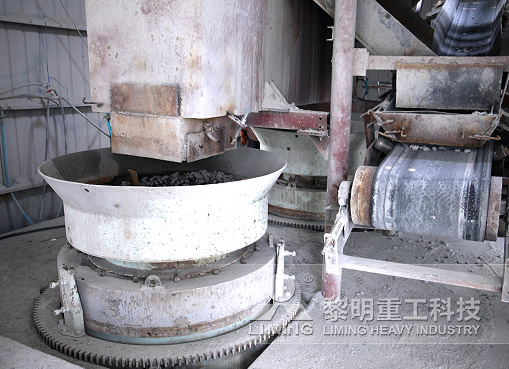
Traditional quarries rely on manual or forklift stacking of finished aggregate, with messy stockpiling, low efficiency and easy material mixing, affecting product classification
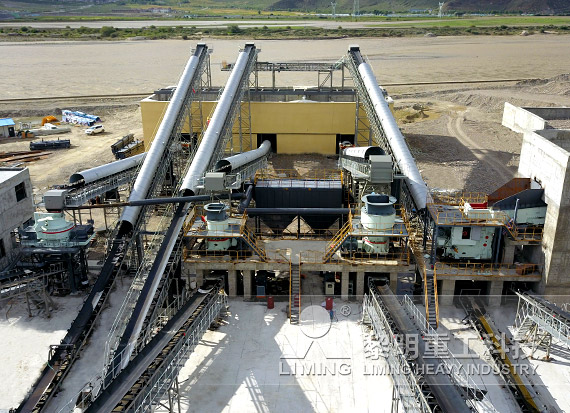
Quarries close to residential areas face strict noise control requirements. Traditional crushing equipment produces harsh mechanical noise and impact noise, easily causing noise
Traditional quarry conveying systems have scattered layout, poor sealing and easy material leakage, resulting in material waste and on-site environmental pollution. Fixed convey
