
Search
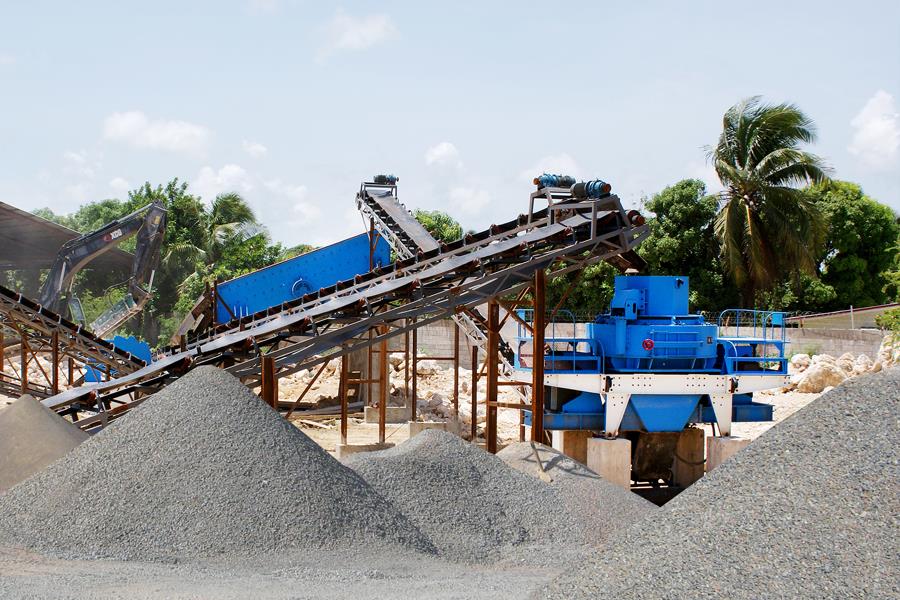
Hard rocks such as granite, basalt and gabbro have high hardness and strong wear resistance, bringing great challenges to crushing equipment. Ordinary crushers have serious wear
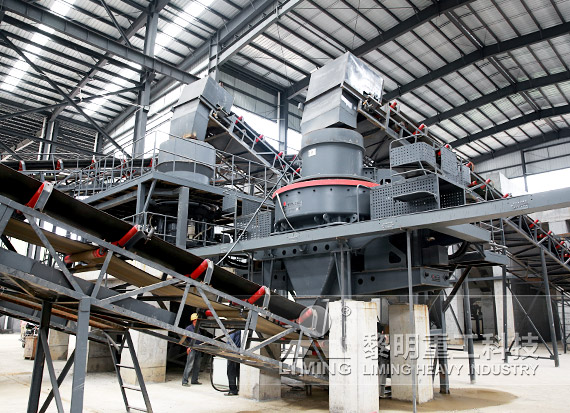
Dust pollution is the biggest environmental pain point of traditional quarry production. Open crushing and screening processes produce a large amount of floating dust, failing t
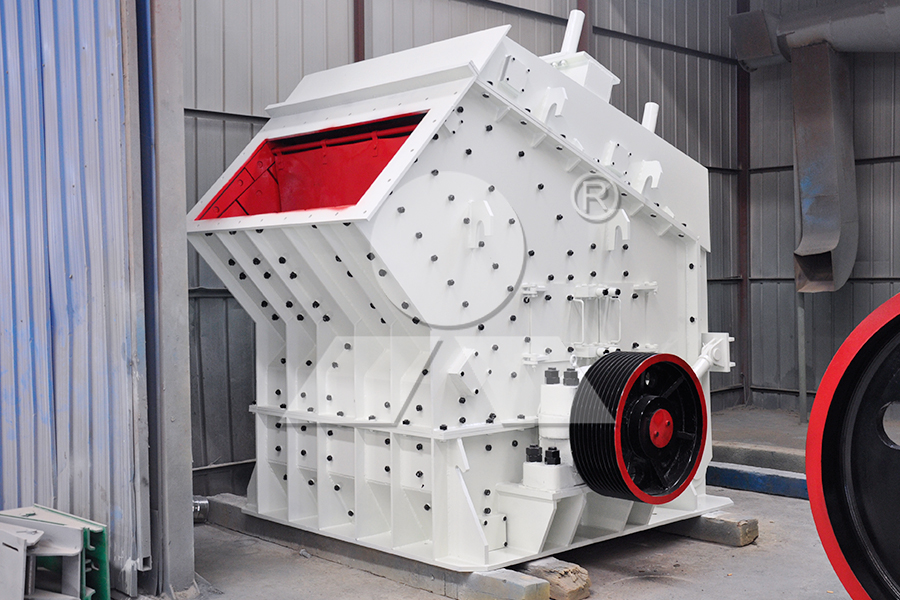
Uneven feeding and random material particle size are the main causes of crusher blockage, unstable output and fluctuating product quality. Traditional fixed feeders have poor ad
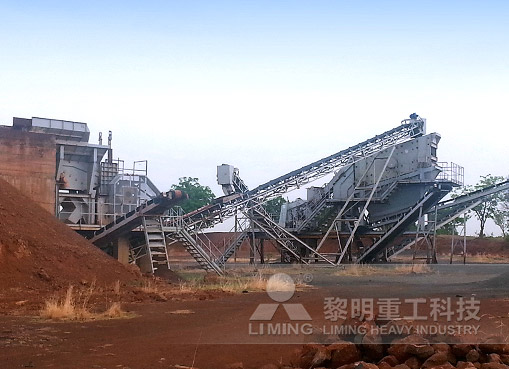
Urban construction and demolition waste occupies a large amount of land and causes environmental pollution. Traditional waste disposal methods such as landfill and stacking have
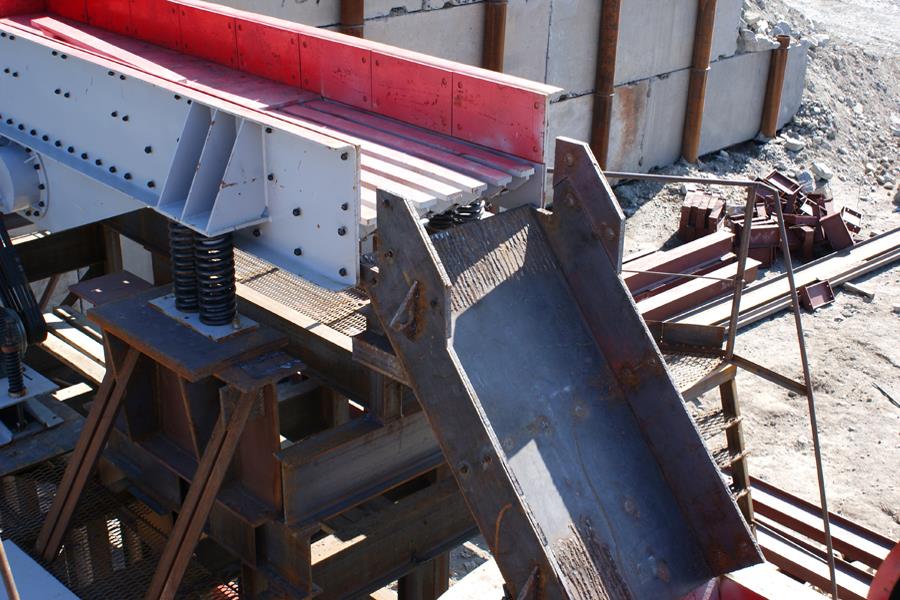
Unstable aggregate gradation is a common problem in quarry production, caused by single screening equipment and unreasonable process design. Unqualified gradation will lead to u
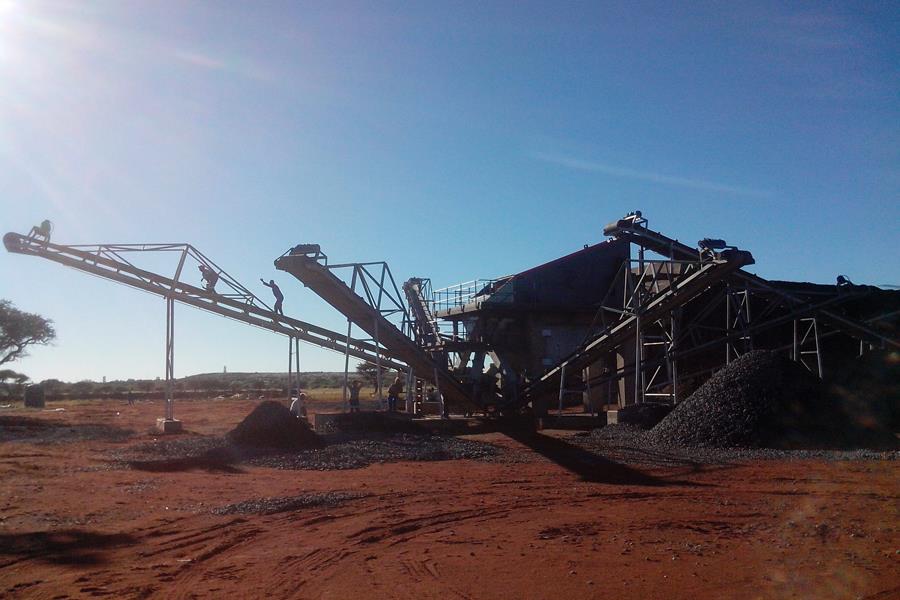
Soft and medium-hard rocks such as limestone, dolomite, and weathered stone are the most common raw materials in construction aggregate production. Jaw and cone crushers often c
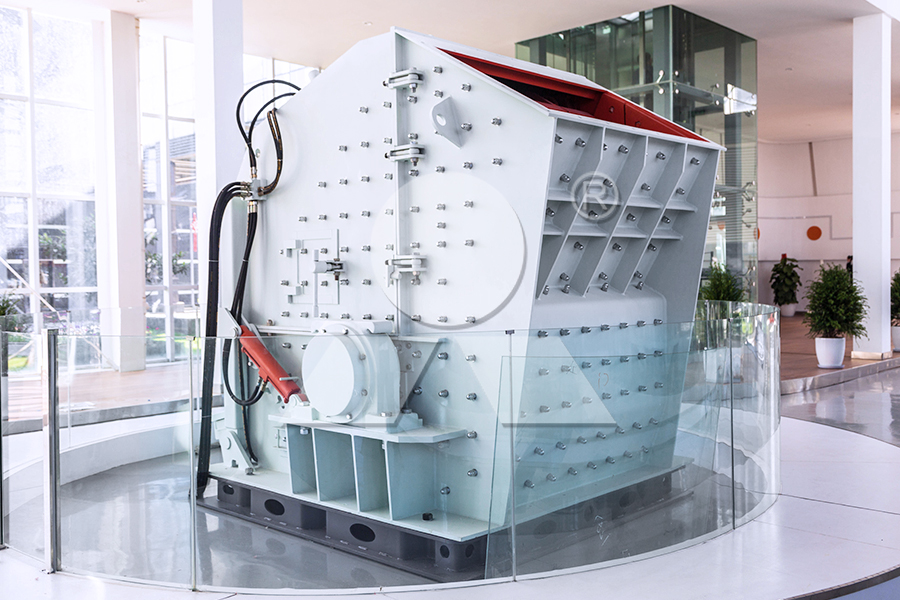
Complete equipment after-sales service is the core guarantee for long-term stable quarry operation. Many equipment suppliers lack global service networks, leading to delayed mai
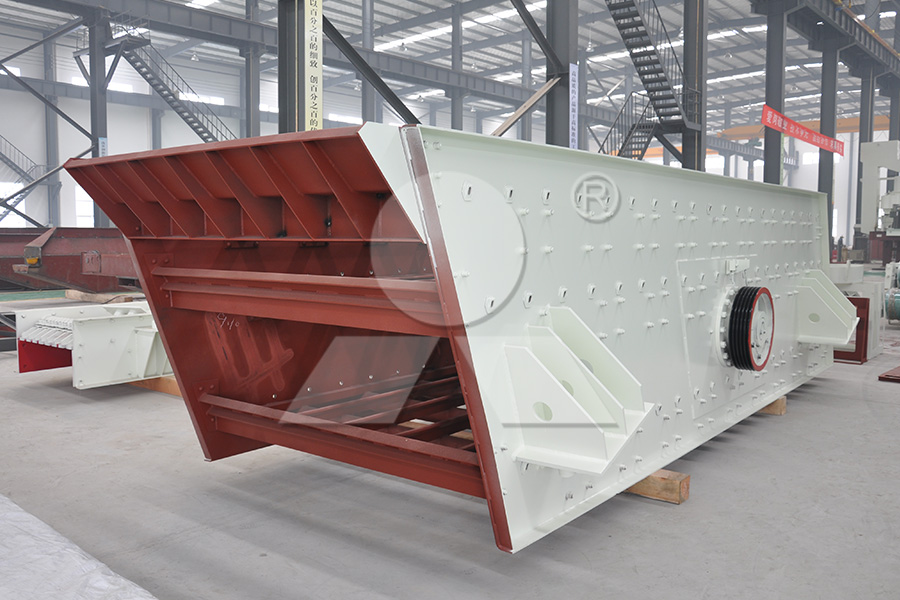
Many quarries face growing market demand after stable operation, requiring capacity expansion and product upgrading. Traditional fixed lines are integrated and cannot be expande

Limestone is the most widely used raw material for construction, road and cement projects, requiring large-volume stable production and good aggregate gradation. SMP classic 400
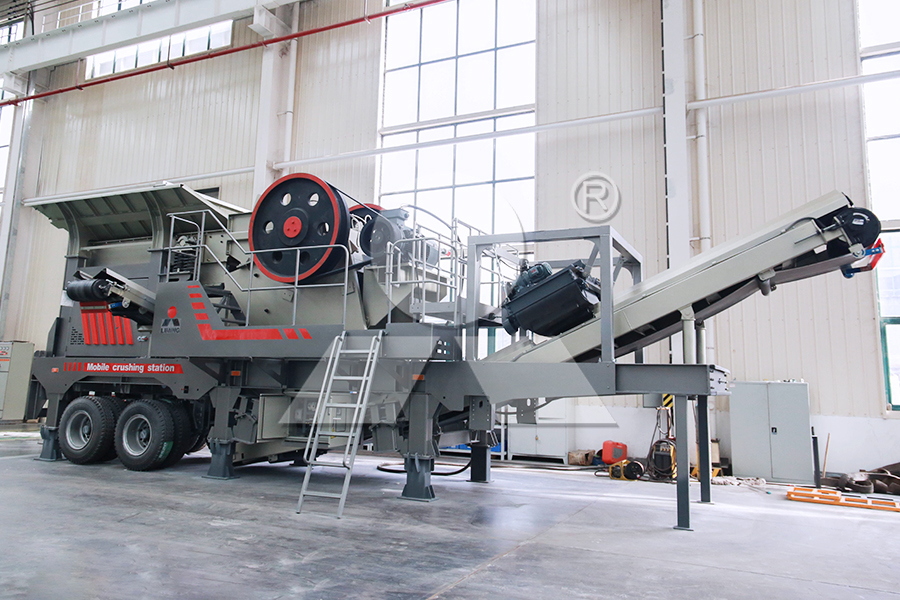
Mining safety supervision is increasingly strict worldwide. Traditional crushing equipment has exposed transmission parts, unprotected feeding ports and imperfect safety systems
