
Search
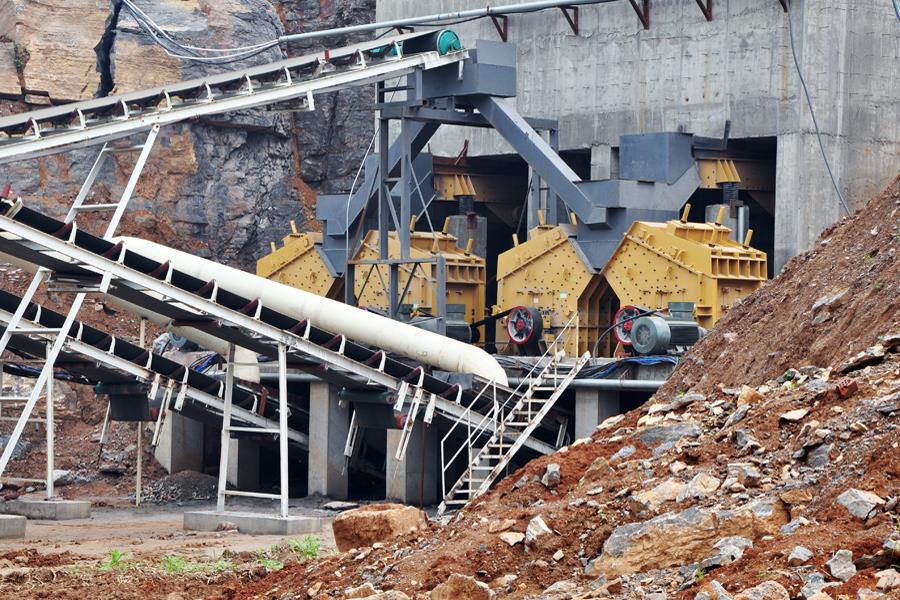
Ready-mix concrete batching plants rely on stable aggregate gradation. Even small continuous gradation deviation will change void ratio, sand ratio and water demand, leading to concrete slump fluctuation, strength drift and segregation. Many batching p
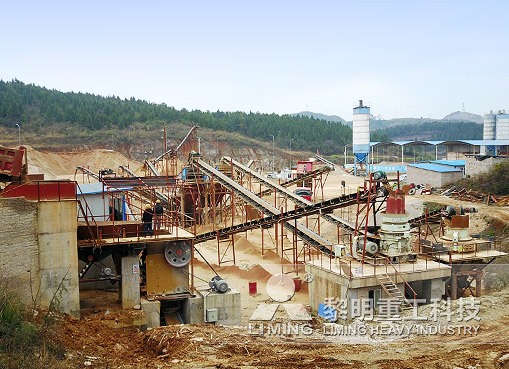
Pegmatite lithium mining by blasting and excavation inevitably brings tramp metal: excavator bucket teeth, drill bits, steel fragments and broken blasting hardware. Spodumene cone crushers run under high laminated crushing pressure. Once hard tramp iro
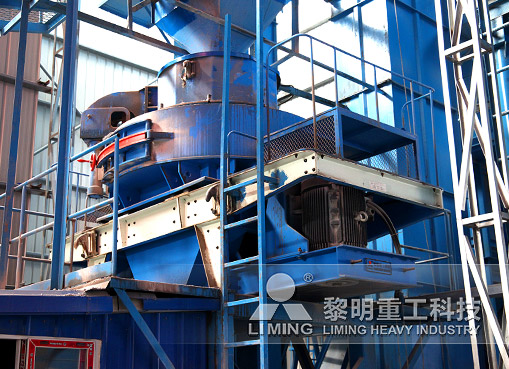
Limestone has dual high-value markets: construction aggregate on one hand, and industrial calcium carbonate powder and metallurgical flux lump on the other. Metallurgical flux lump requires complete block shape, low powder generation and stable CaO con
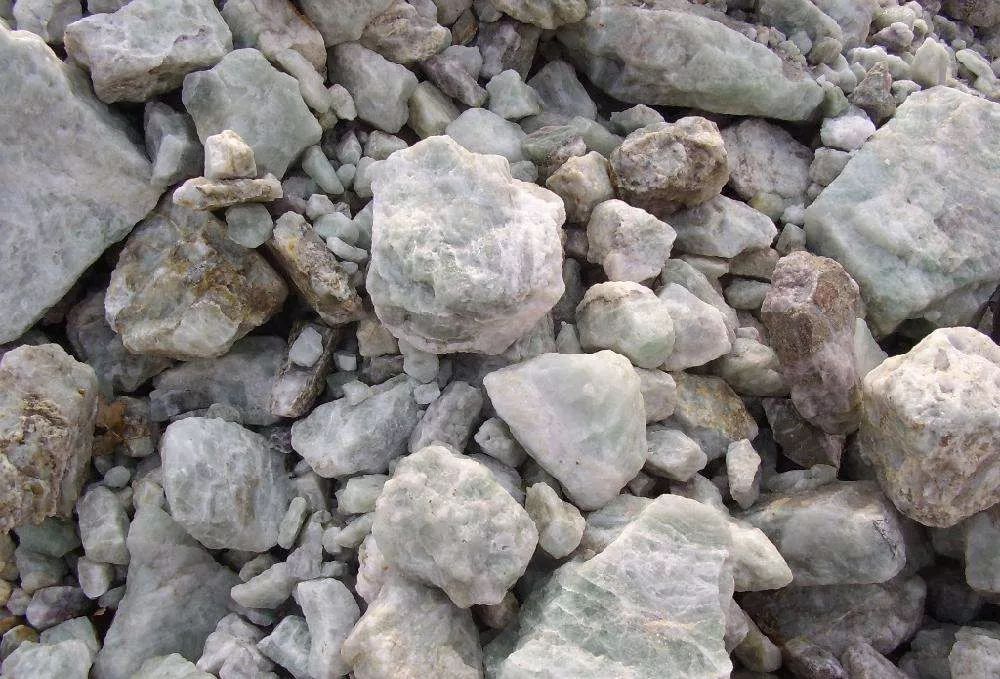
Lithium mica is another important lithium mineral, different from spodumene in physical properties. Lithium mica is soft, layered and easy to peel into fine flaky powder during crushing. A large amount of lithium-bearing slime will be lost in desliming
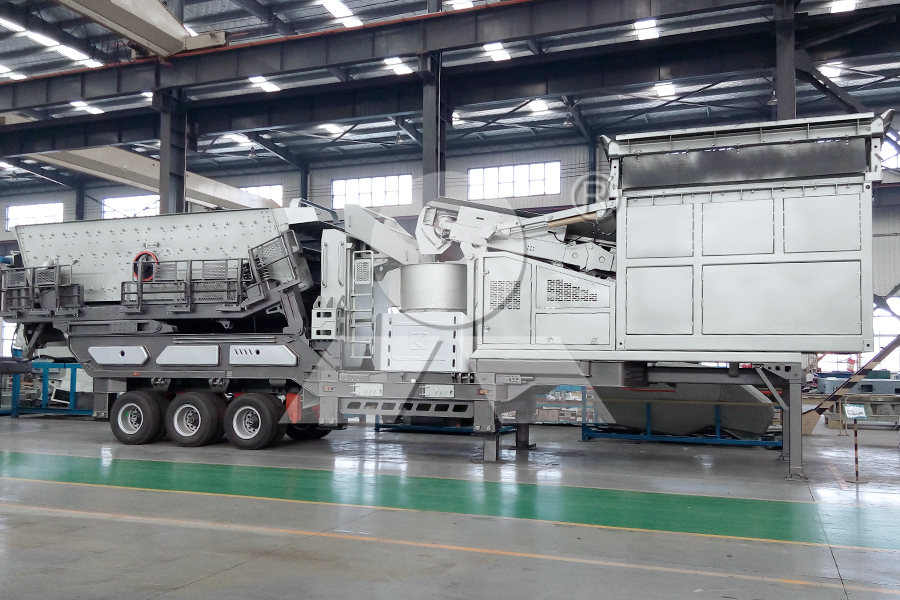
Precast PC components such as precast walls, beams and slabs require strict consistency of manufactured sand. Unlike ready-mixed concrete on site, precast production lines demand stable fineness modulus, controllable stone powder content, low clay cont
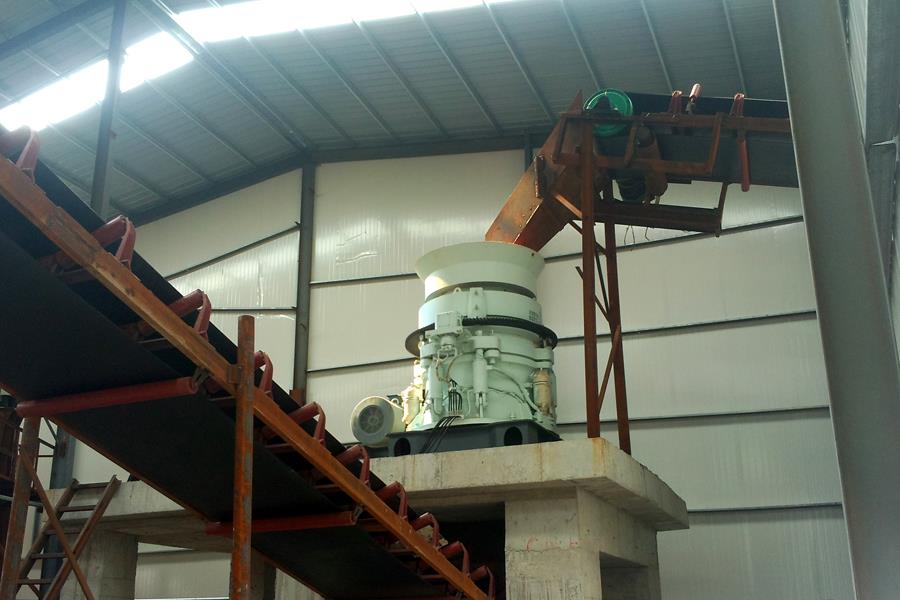
Most pegmatite lithium deposits contain a large proportion of barren quartz-feldspar gangue with almost no spodumene mineralization. Sending all raw ore into fine crushing, grinding and flotation wastes huge amounts of electricity, wears grinding media
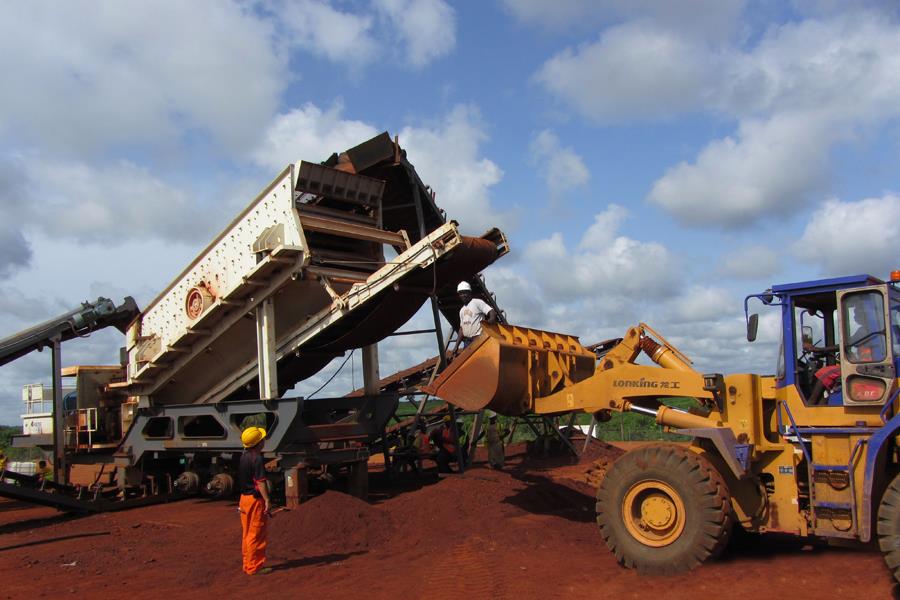
Airport runway aggregate has stricter technical indicators than ordinary highway pavement aggregate, including high crushing value, low abrasion loss, excellent anti-polishing performance and stable gradation. Basalt is the preferred raw material for a
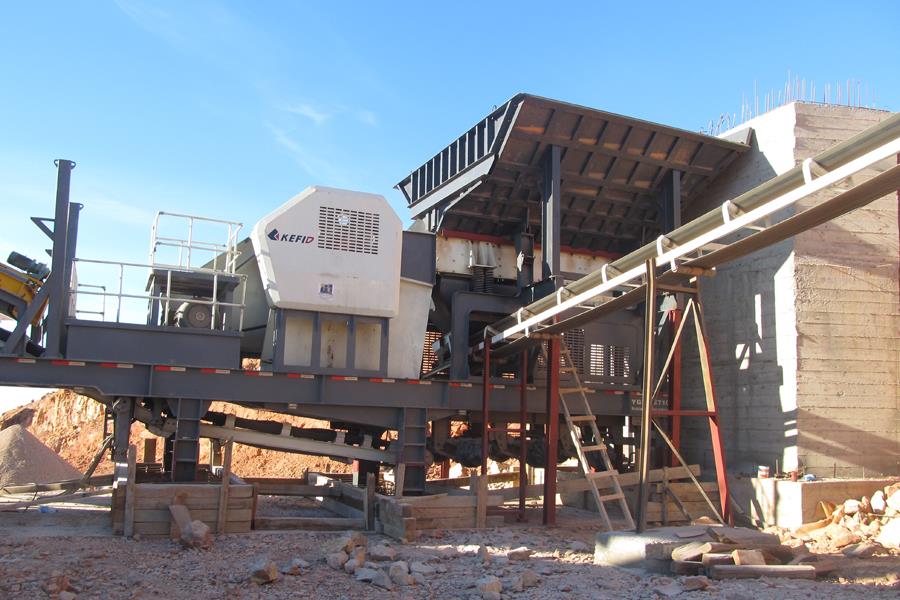
Spodumene is the primary hard-rock lithium mineral for lithium carbonate and lithium hydroxide production, widely sourced from pegmatite lithium deposits. Unlike many sulfide ores, spodumene is intergrown tightly with quartz, feldspar, mica and tourmal

Energy cost is the largest recurring expense for most mines and quarries, after labour and wear parts. Benchmarking specific energy consumption (kWh per ton) lets operators spot inefficient bottlenecks: a choked screen, oversized feed, worn liners, sur
Recycled concrete and brick rubble from demolition sites is a low-cost secondary raw material, but it has unique challenges: attached cement paste, variable contamination, old rebar, wood, plastic and clay. Recycled aggregate absorbs more water than na
