
Search
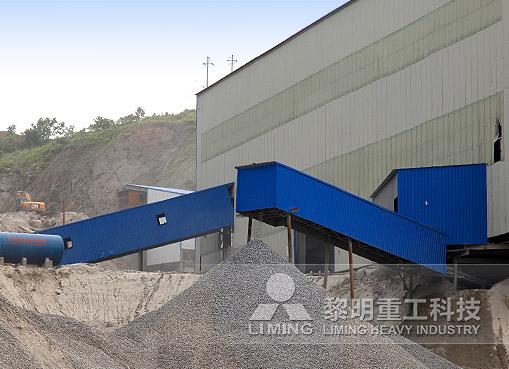
Aggregate and mineral producers frequently fight stockpile segregation, where coarse particles roll to the bottom and fines collect near the feed point. Segregation means the first truckload leaving the stockpile has one gradation, and the next load is
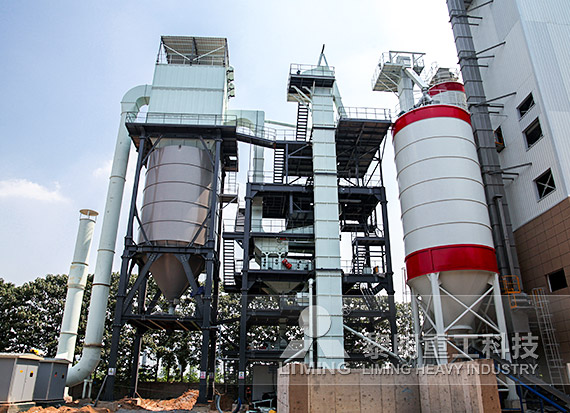
Complex lead-zinc sulfide ores are among the most difficult mineral processing feeds because galena and sphalerite are often tightly intergrown at fine grain sizes. The crushing circuit sets the upper limit of what flotation can achieve. If grains are
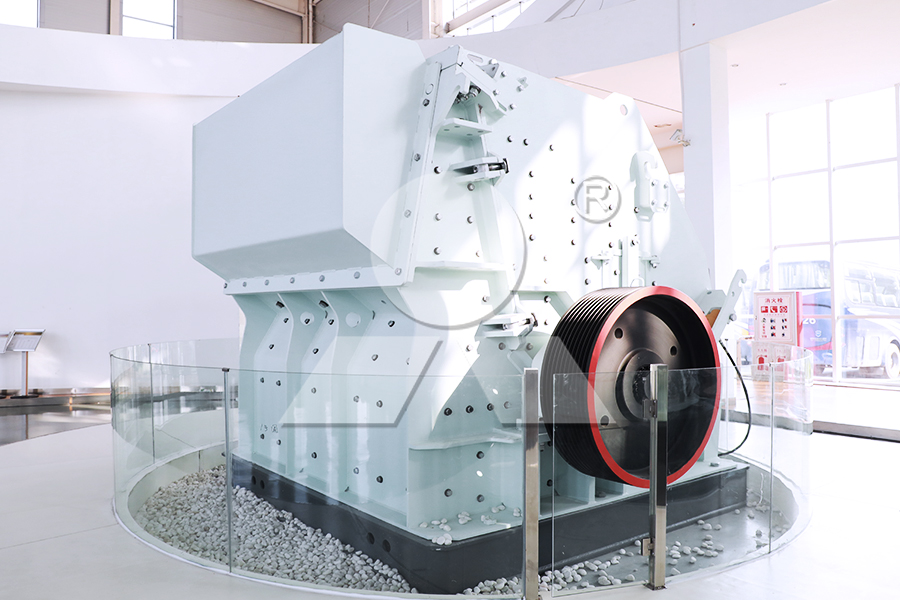
Gypsum is a versatile soft mineral with three major markets: plasterboard raw material, cement set retarder and soil amendment for agriculture. Each market requires a completely different particle size distribution, purity and moisture level. A one-siz
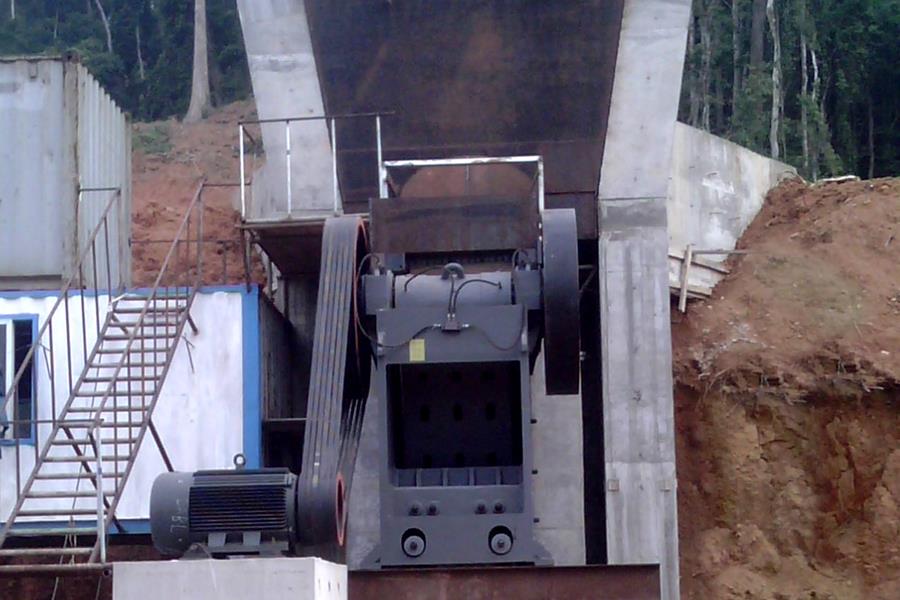
Nickel laterite ore is the dominant source of global nickel supply, used for stainless steel and battery-grade nickel production. Unlike hard sulfide nickel ore, laterite is soft, clay-rich, sticky and highly moisture-sensitive. Crushing laterite is no
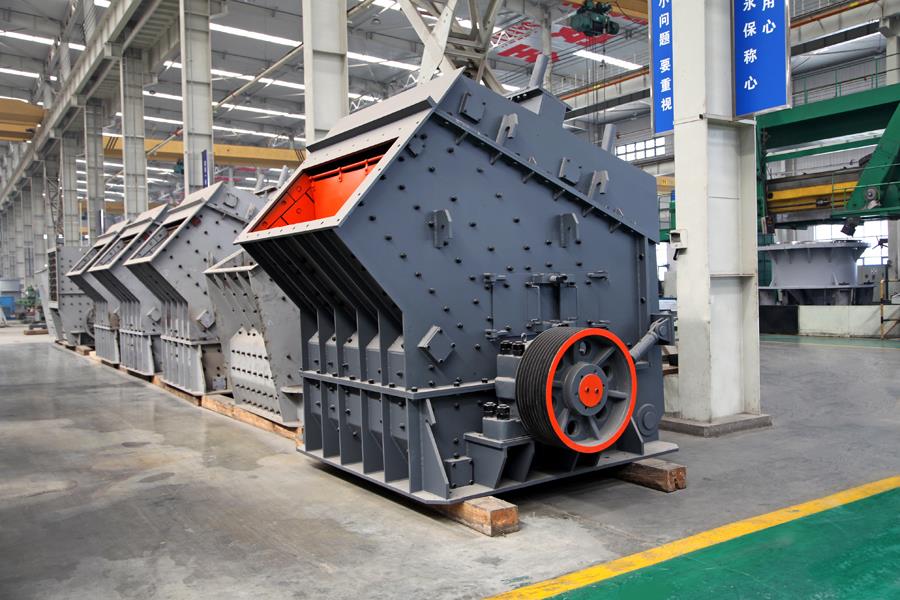
Ultra-high performance concrete demands manufactured sand with far tighter tolerances than ordinary ready-mix concrete. UHPC mixes use low water-binder ratios, rely on dense particle packing and require precise control over particle shape, grading and
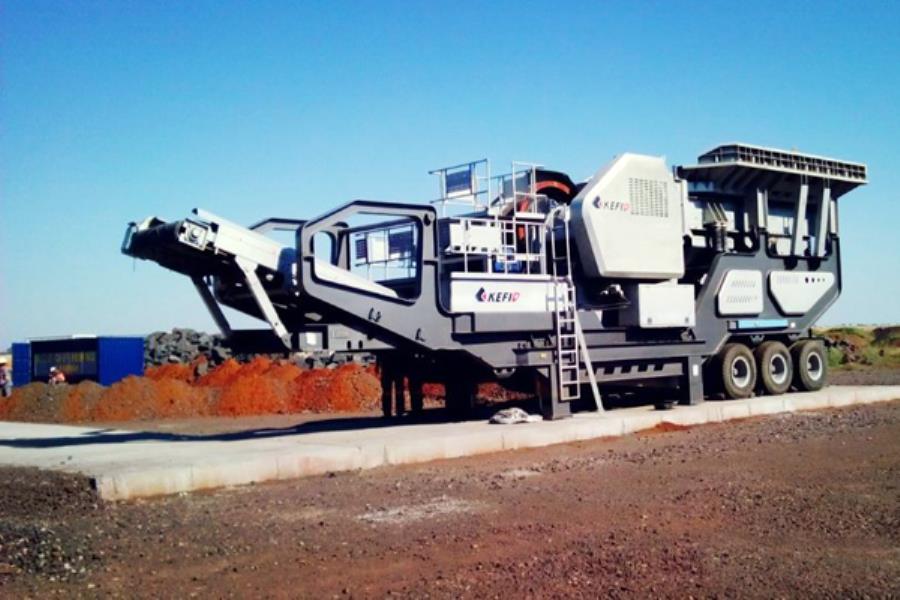
Cassiterite, the main tin-bearing mineral, is heavy, brittle and prone to sliming if crushing energy is uncontrolled. Tin ore often occurs in complex vein deposits alongside pyrite, quartz, tourmaline and tungsten minerals. A common failure mode in tin

Basalt remains one of the premium raw materials for asphalt wearing courses because of its excellent polishing resistance, high crushing strength and angular texture that delivers long-term skid resistance. However, basalt is highly abrasive, dense and
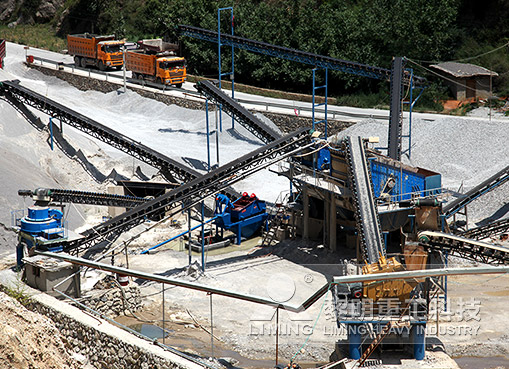
Tungsten is a critical high-density strategic metal widely used in cutting tools, aerospace alloys and carbide production. The two main commercial tungsten minerals, scheelite and wolframite, behave very differently during crushing, which is why generi

Most old mining and aggregate production lines have problems such as backward equipment, unreasonable process layout, high energy consumption, low resource utilization rate and unstable product quality. Long-term backward operation leads to rising comp
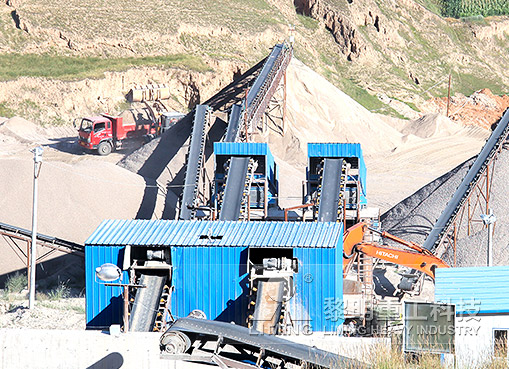
Mining and aggregate production in high-latitude cold regions face severe low-temperature challenges in winter. Ultra-low temperature environment easily causes hydraulic oil solidification, equipment component embrittlement, electrical system failure a
