
Search
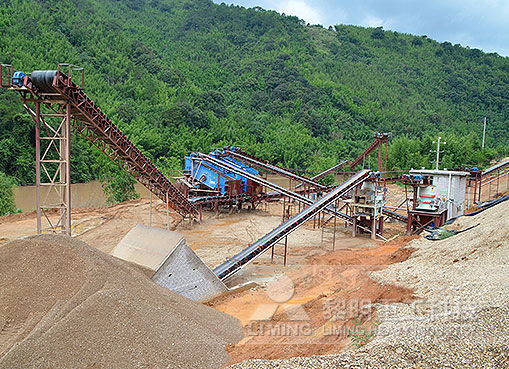
Labor cost is one of the main long-term operating expenses of quarries. Traditional production modes require multiple operators for feeding, equipment monitoring, material transportation and finished product stacking, with high labor input.Impro
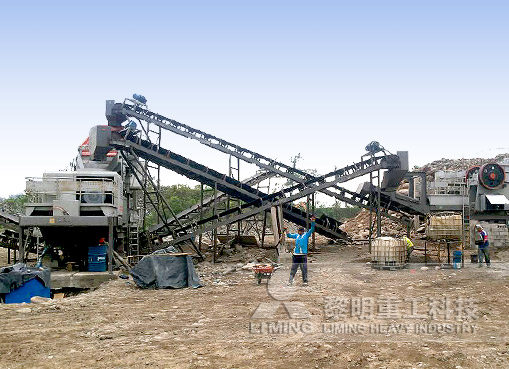
Many small quarries lack standardized quality inspection systems, resulting in unstable product quality and difficulty in entering large engineering supply chains. Standard quality inspection is the key to improving quarry brand competitiveness and mar
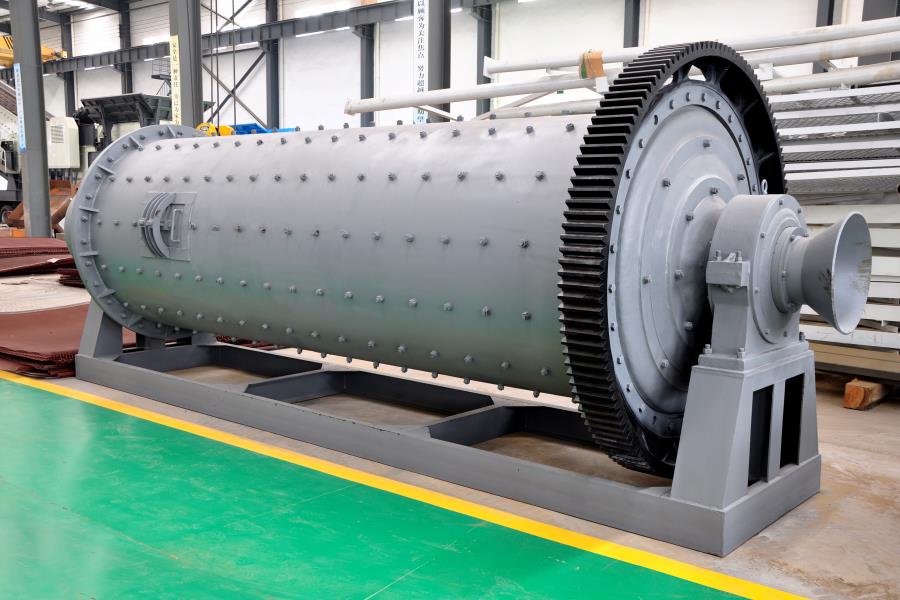
In high-temperature summer environments, mining equipment is prone to overheating, oil thinning, electrical component aging and automatic shutdown. Long-term high-temperature operation accelerates equipment aging and increases failure rate.Tradi
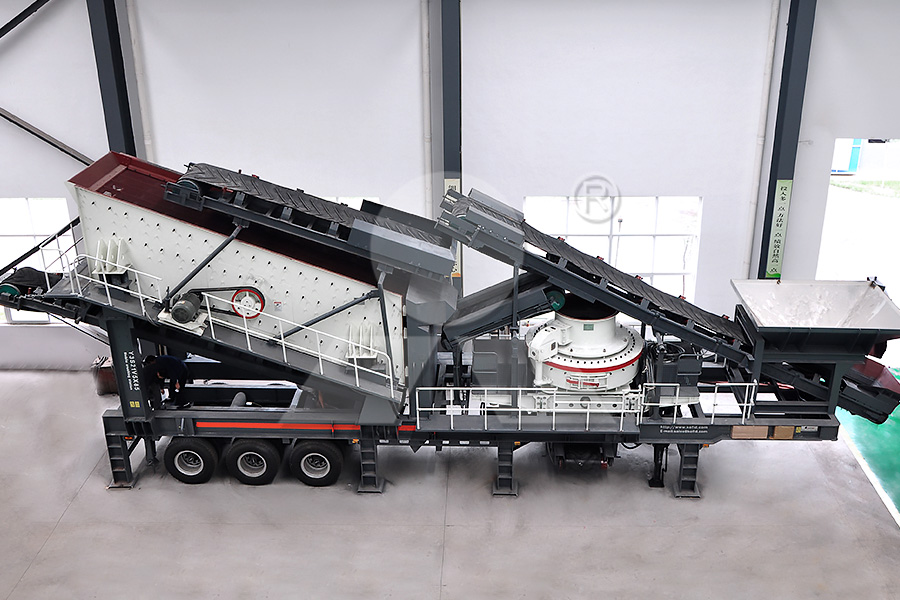
Small-scale construction sites, stone yards and individual mining projects do not need large fixed screening equipment, but require flexible on-site multi-specification aggregate classification to meet diverse construction needs.SMP small mobile
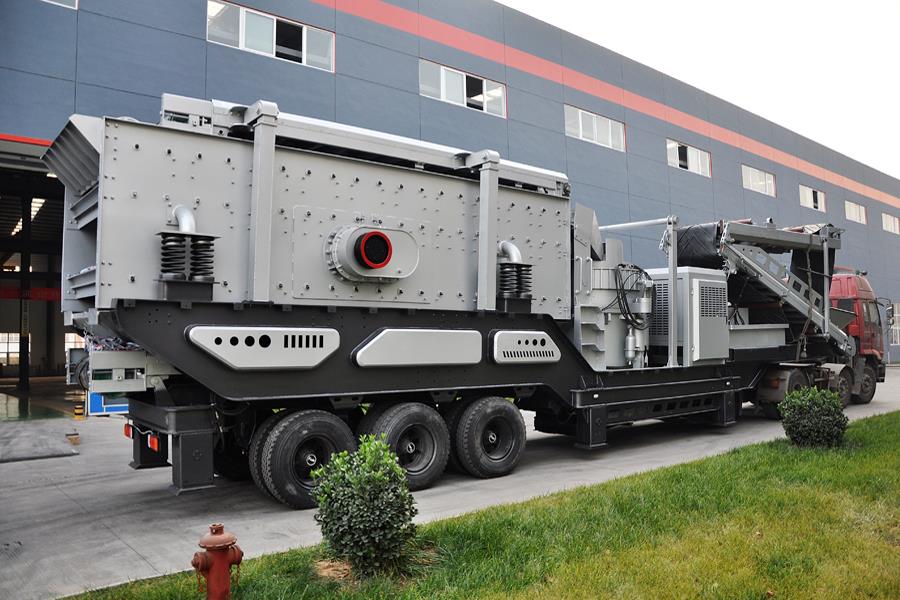
Most quarries have serious resource waste problems in the production process: weathered stone, tailings waste and leftover materials are directly discarded, resulting in low overall resource utilization rate and reduced comprehensive project benefits.
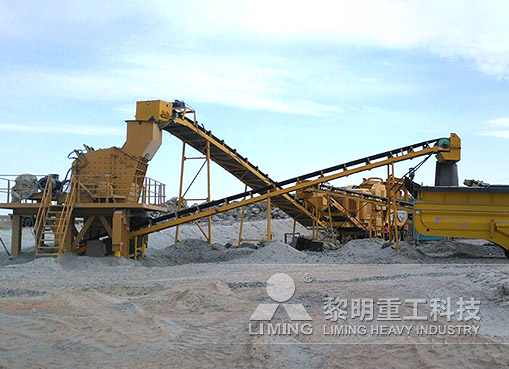
Urban and suburban quarries are strictly restricted by noise environmental protection policies. Long-term high-decibel operation noise will trigger resident complaints and environmental inspection penalties, restricting normal production of quarries.
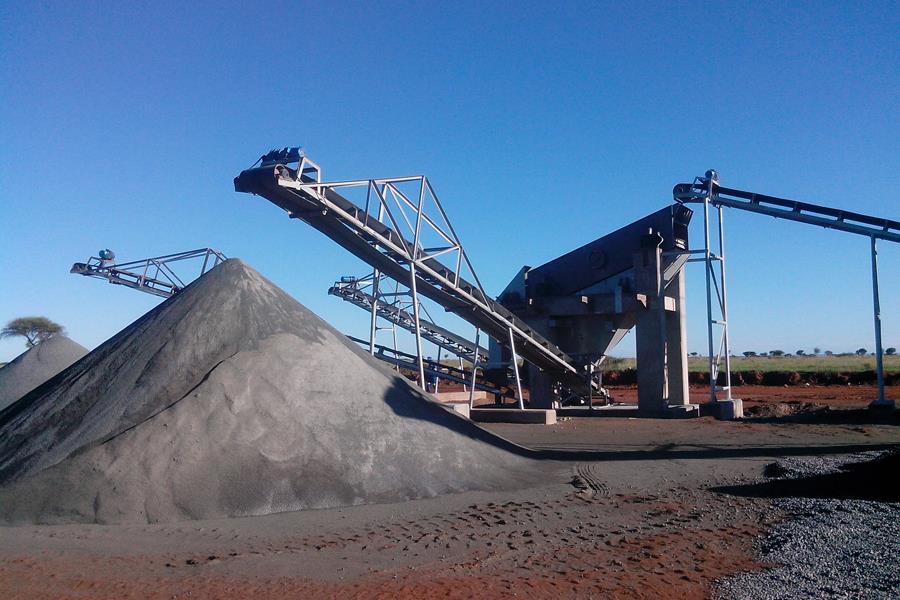
Manual lubrication is adopted in most traditional quarries, with uneven oil injection, missed lubrication and untimely oil replacement, leading to bearing wear, shaft temperature overheating and accelerated equipment aging.Insufficient lubricati
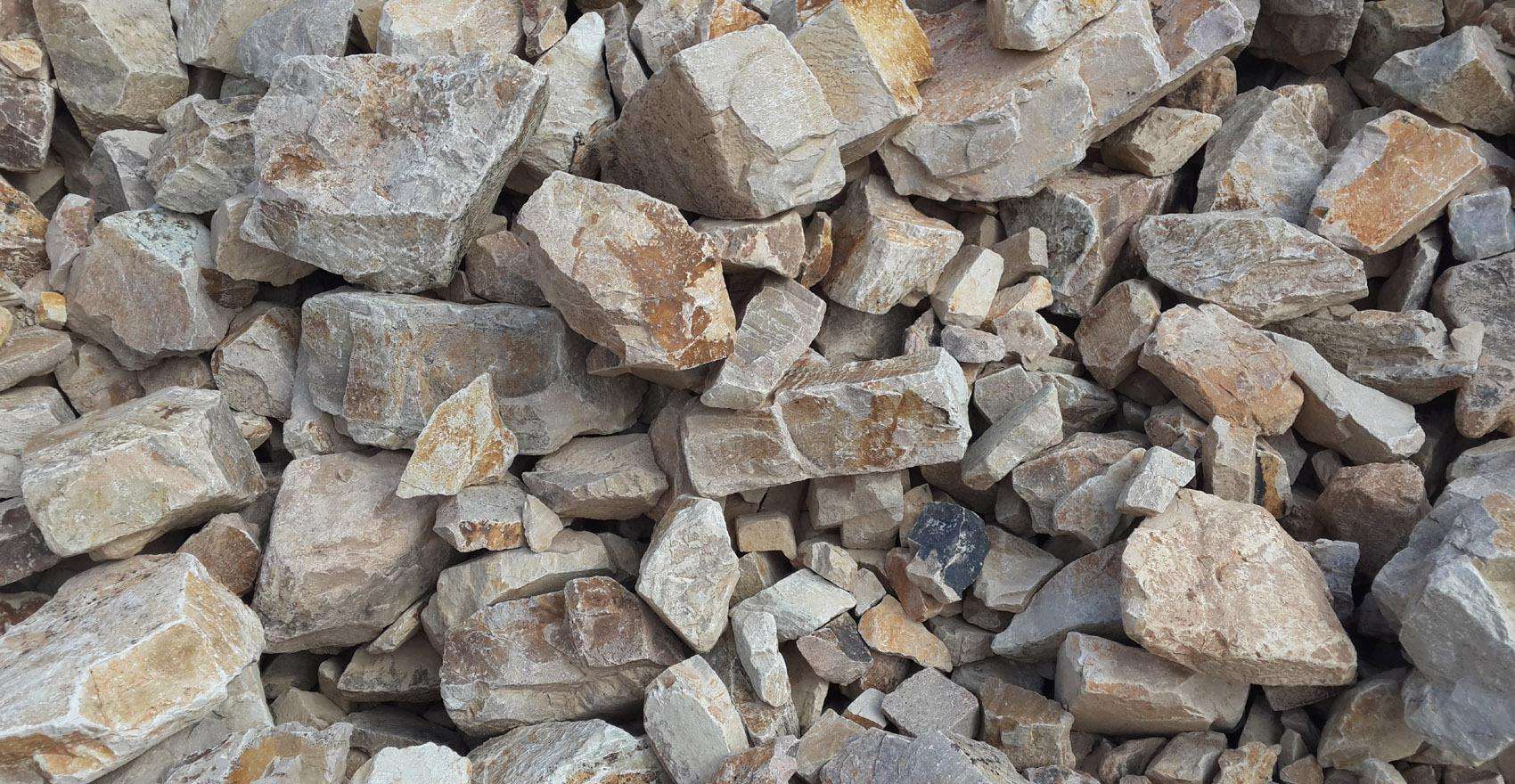
Uncontrolled stone powder content is a common problem in dry sand making production. Too much powder affects concrete strength, while too little powder reduces sand compactness. Only precise powder separation can stabilize sand quality within national
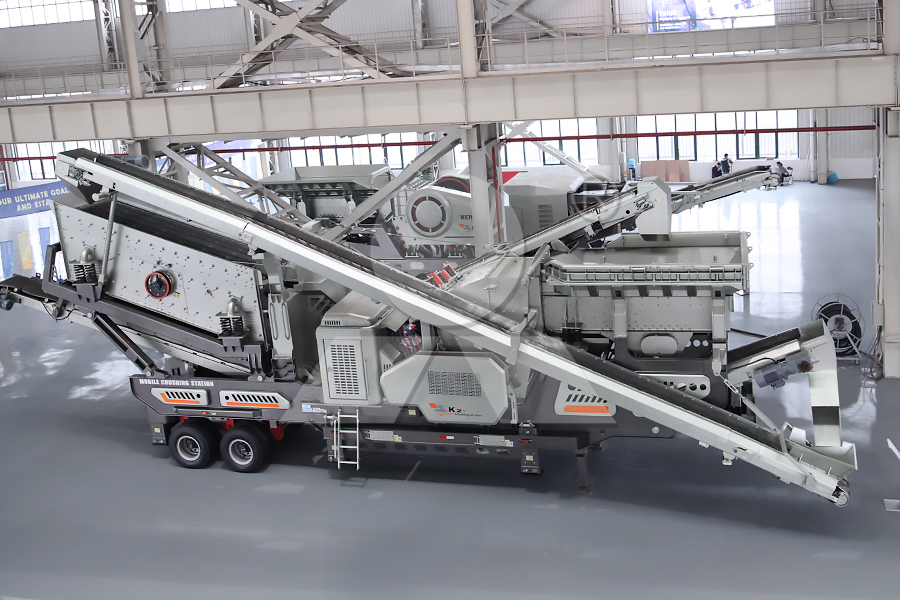
Many quarry projects have low production efficiency and unreasonable process flow simply due to unscientific site layout. Flat terrain, mountain terrain and slope terrain require completely different production line layout schemes.Blindly applyi

Mud content is the main quality index restricting manufactured sand grade. Excessive mud content reduces concrete bonding strength, easily causes wall cracking and water seepage, making sand products unable to enter high-end building material markets.
