
Search
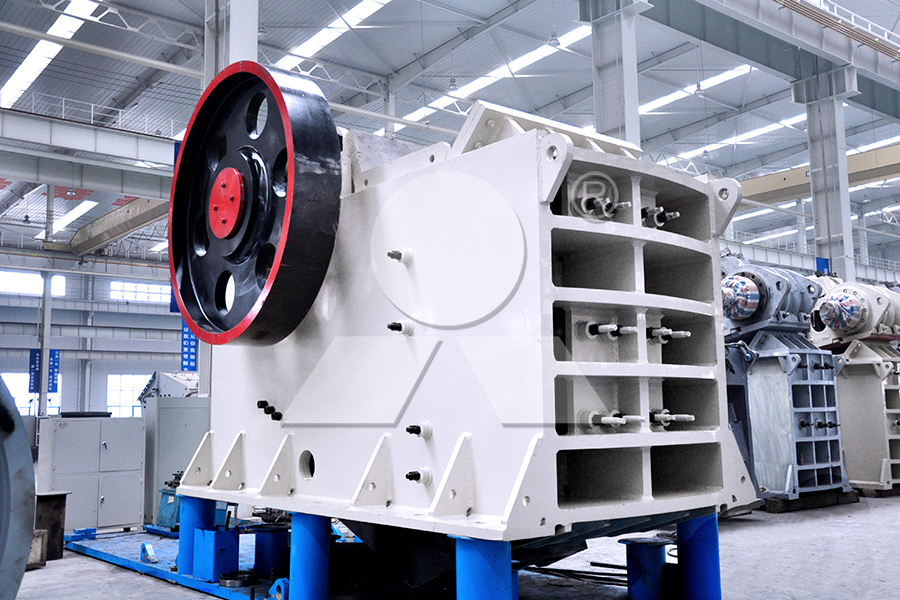
Spare parts supply delay is the biggest pain point restricting the stable operation of overseas mining projects. Long-distance transportation of accessories leads to long shutdown time of equipment, seriously affecting project production progress and e
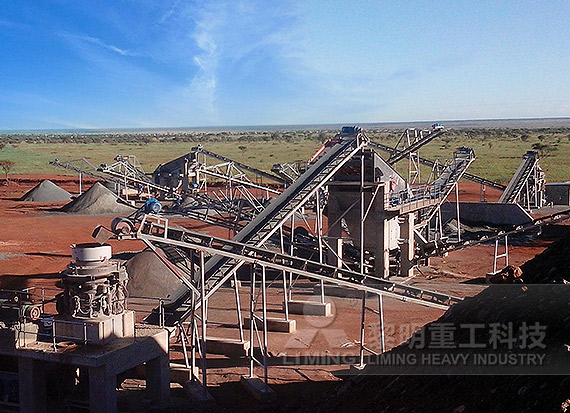
Small-scale scattered gold ore mines in Africa and Central Asia have low daily output and limited investment budget. Complex flotation beneficiation lines have high construction and operating costs, which are not suitable for small gold ore processing
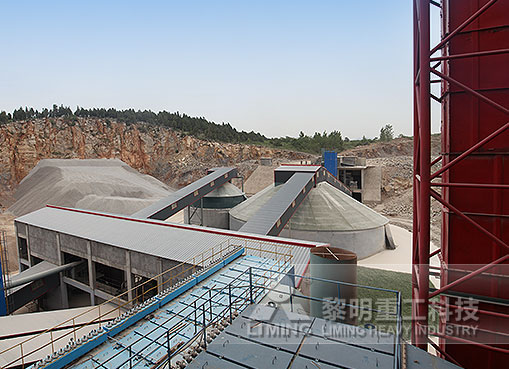
Urban building material markets have stable demand for medium-hard rock aggregate and manufactured sand represented by limestone and dolomite. Medium-sized 600TPH production lines are the most cost-effective choice for urban standardized building mater
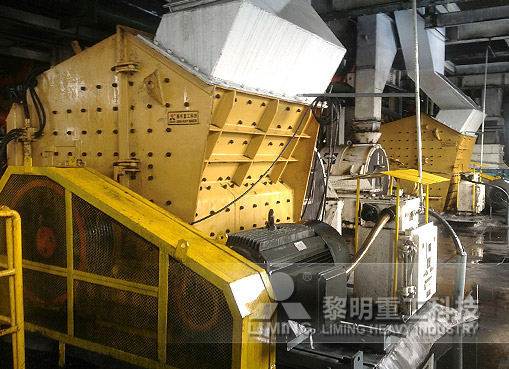
The service life of crushing equipment directly determines the comprehensive investment return of quarry and mine projects. Many investors face frequent equipment failure and short service life due to unreasonable equipment matching, irregular operatio
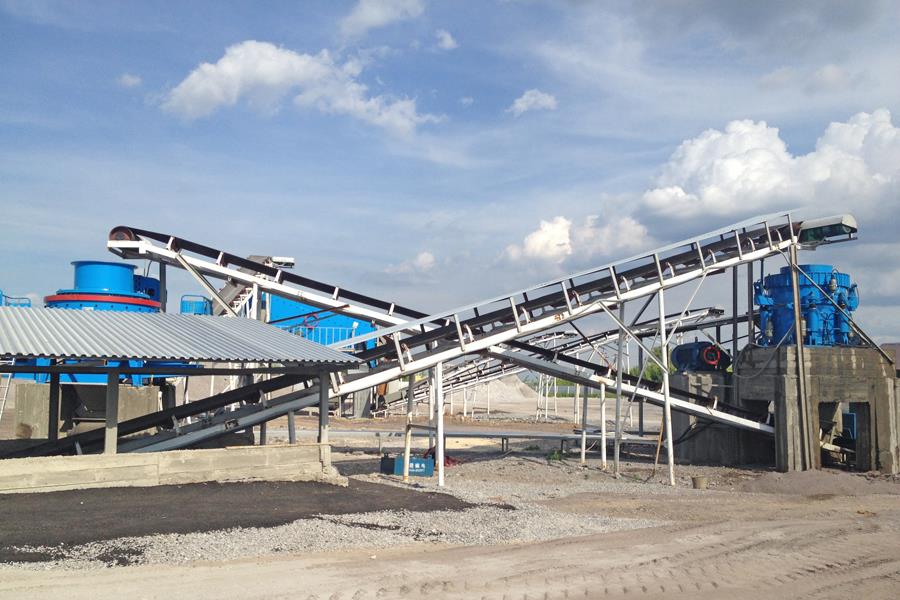
Urban demolition, old community renovation and road reconstruction produce a large amount of construction waste. Traditional landfill disposal not only occupies land and pollutes the environment, but also causes serious resource waste, unable to adapt
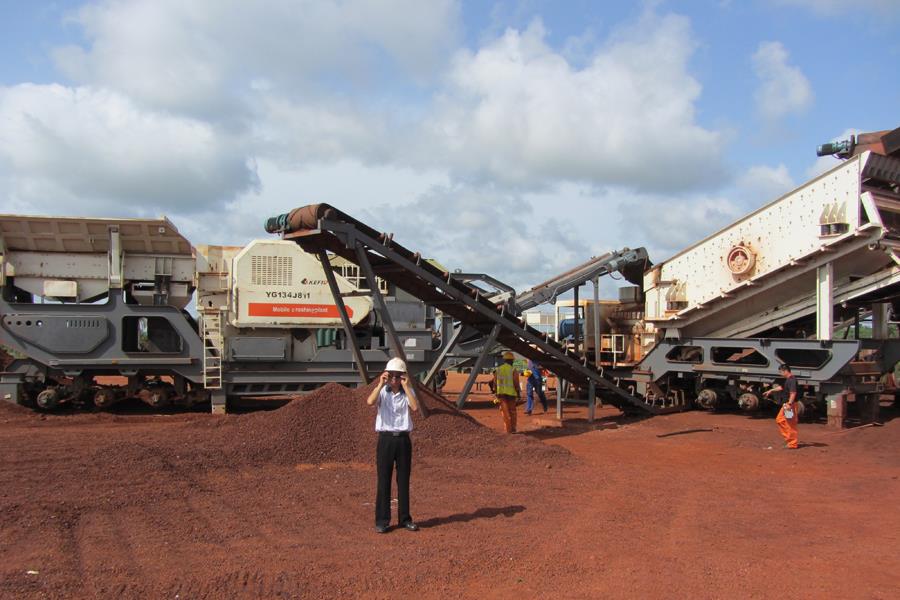
Basalt is the preferred raw material for high-grade highway, airport and pavement aggregate due to its high hardness and strong compression resistance. However, basalt’s high abrasiveness puts forward extremely high requirements on crushing equipment
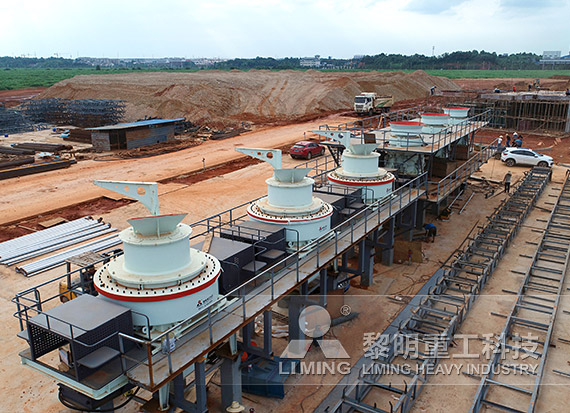
Quarries near urban areas and residential communities in Ukraine, Europe and Southeast Asia face strict noise control regulations. Traditional crushing equipment produces excessive operating noise, easily triggering resident complaints and environmenta
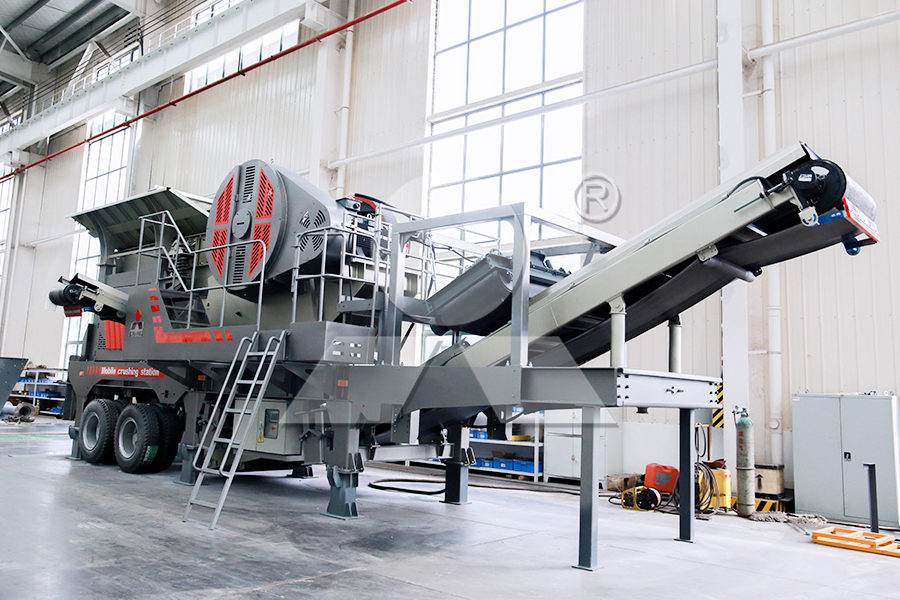
In the competitive global aggregate market, stable and standardized finished product quality is the core of occupying market share. Traditional manual and semi-automatic screening has low precision, mixed particle sizes and unqualified gradation, leadi
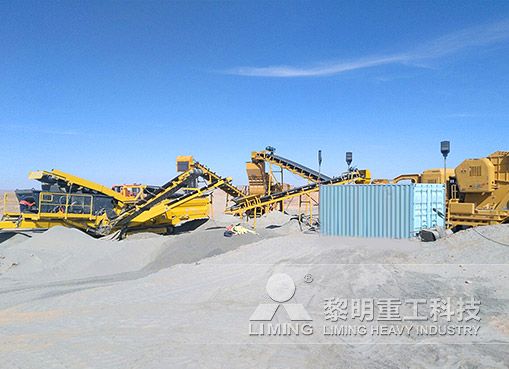
River pebble is a high-quality raw material for manufactured sand production with high hardness and pure texture. However, ordinary crushing equipment is prone to serious wear, poor sand grain shape and low finished product yield when processing pebble
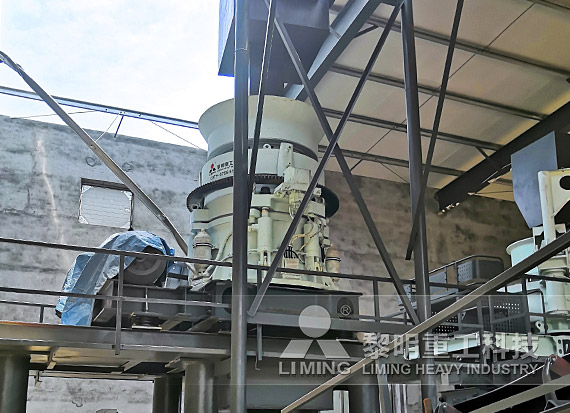
Long-term quarry operation faces rising labor costs, equipment wear and energy consumption, which continuously erode project profits. Many aggregate plants only focus on output improvement while ignoring refined operation management, resulting in high
