
Search
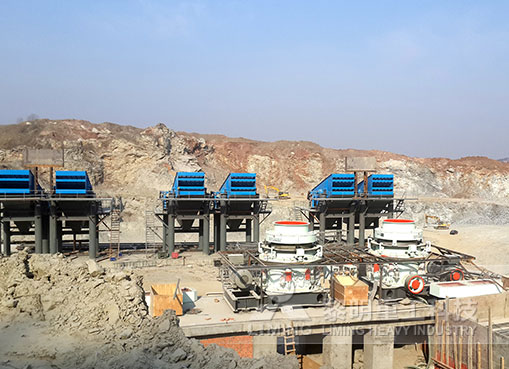
Lubrication is the key to ensuring normal operation of crusher bearings and transmission components. Traditional manual lubrication has inaccurate oil quantity, untimely oil supply and uneven lubrication, easily causing component wear, overheating and
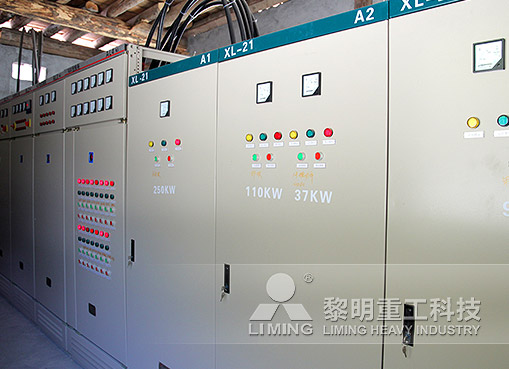
Open-pit quarries and mines produce a large amount of floating dust during crushing, screening and material transportation processes, causing serious air pollution, equipment abrasion and health hazards for workers, and failing to meet global environme
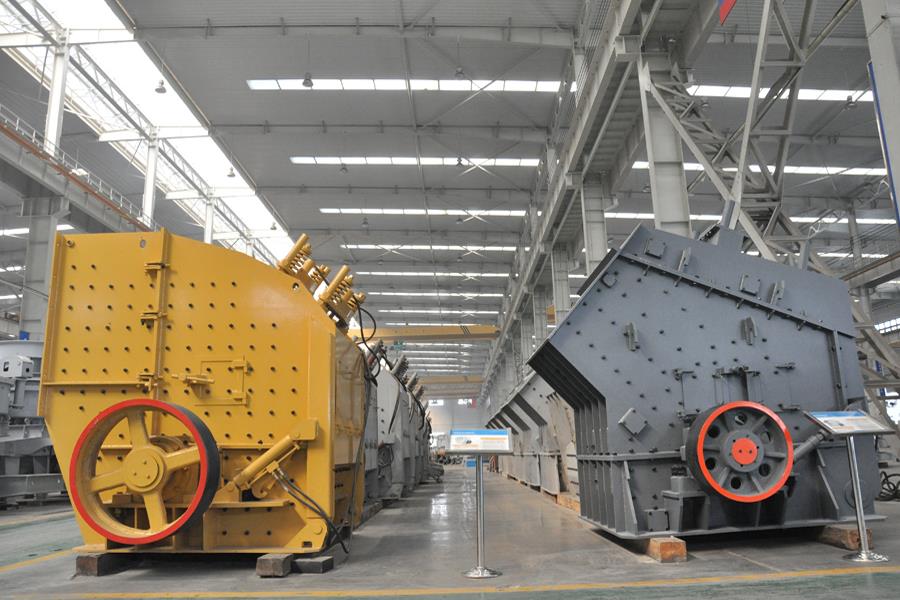
Many individual and small-scale quarry investors in emerging mining markets such as Central Asia, Africa and Southeast Asia have limited capital and small market demand, making large and medium-sized EPC production lines uneconomical and prone to capac
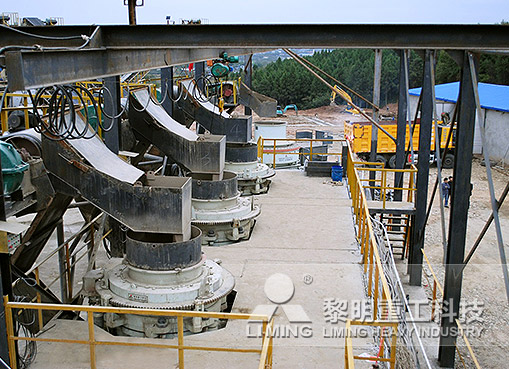
Oxidized gold ore is a common low-grade gold resource in Africa and Central Asia, with loose ore texture, fine gold particle dissemination and high impurity content. Traditional single crushing and gravity separation processes have low gold recovery ra
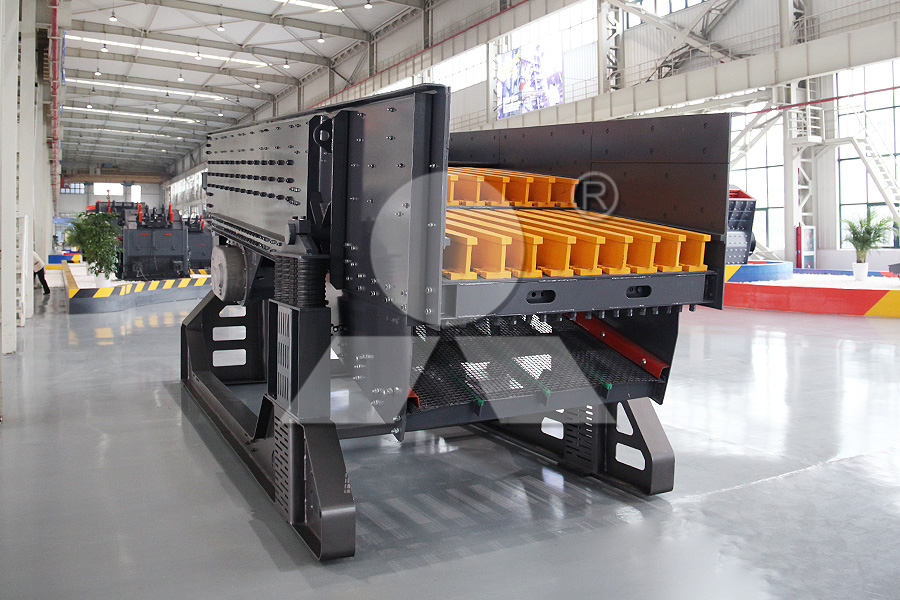
Traditional crushing lines adopt separate configuration of feeder and crusher, with mismatched feeding speed and crushing capacity, easily causing intermittent feeding, material accumulation or cavity blockage, resulting in unstable production line out
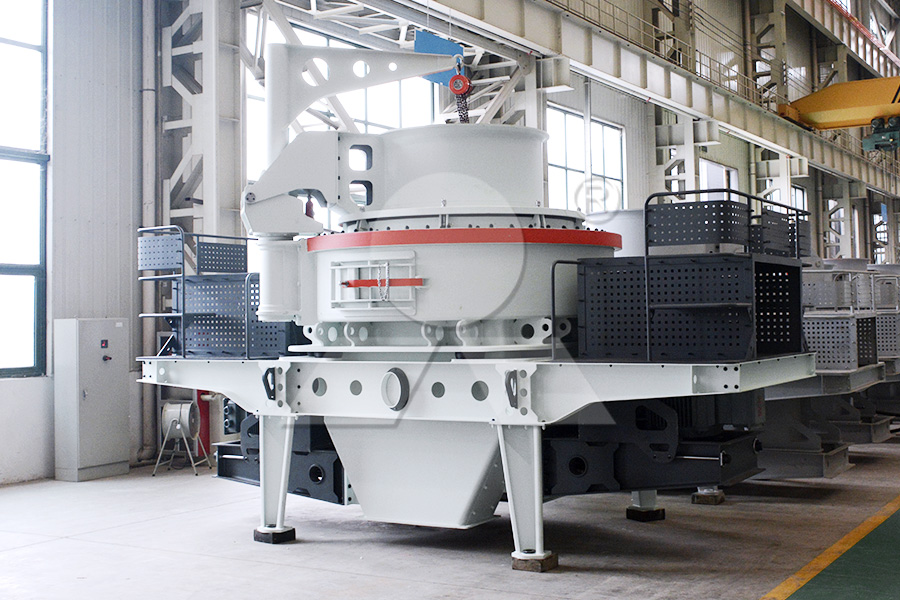
Quarries and aggregate plants near urban communities, residential areas and key buildings face strict vibration control regulations. Long-term high-frequency vibration generated by traditional crushing equipment will affect building safety and trigger

Aggregate gradation directly affects the strength and durability of concrete and road pavement. Unreasonable gradation with single particle size or mismatched coarse and fine materials will lead to poor concrete compactness and unqualified engineering
Many quarry crushing lines lack pre-screening links, leading to a large amount of fine-grained soil, finished small-particle stones and impurities directly entering the crushing cavity. These unnecessary materials increase equipment load, cause materia
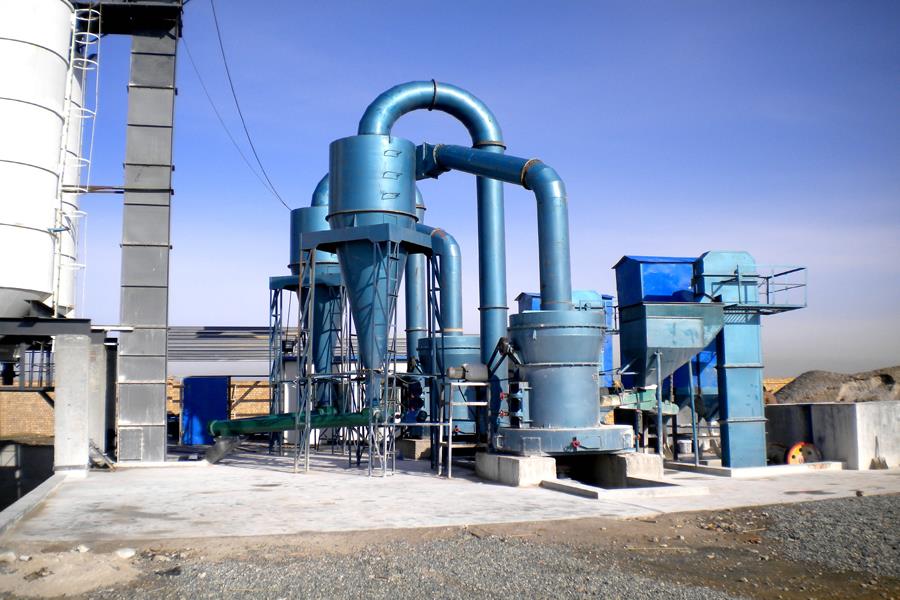
Most small and medium-sized traditional sand making plants adopt open-circuit production processes, where materials are crushed and discharged at one time without cyclic screening. This backward process leads to unqualified particle size, excessive pow
High-altitude mining areas in Central Asia, Mongolia and the Qinghai-Tibet region feature low air pressure, low temperature, strong ultraviolet radiation and dry thin air. These harsh natural conditions seriously affect the operating efficiency, lubric
