
Search
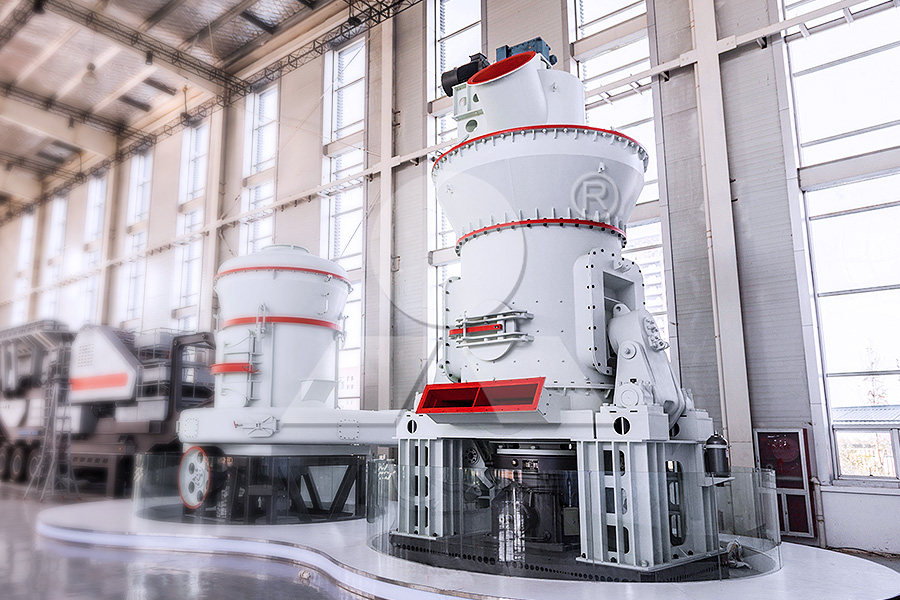
Water sprays are the most common dust control method, but they struggle in windy conditions or when material must stay dry for dry sand production. Over-spraying also increases moisture and screen blinding.Alternative dust control includes enclo
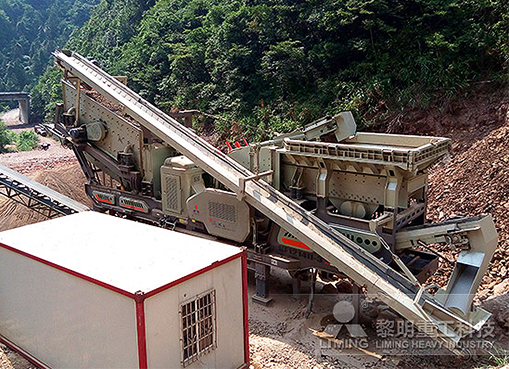
Tramp metal such as excavator teeth and drill bits entering a cone crusher can cause catastrophic damage without overload protection. Modern hydraulic cone crushers use hydraulic release systems to let uncrushable objects pass through.When overl
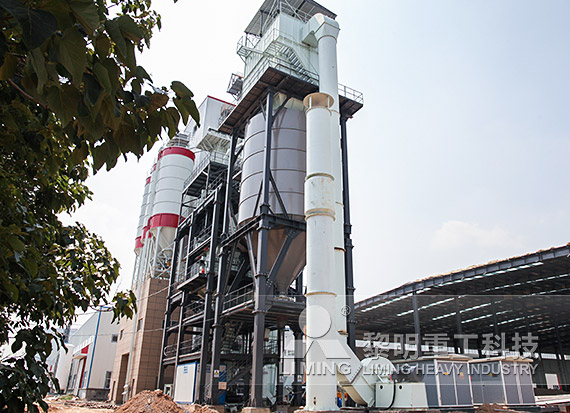
Fineness modulus describes the average particle size of sand. A high modulus means overly coarse sand; a low modulus means excess fines. Ready-mix plants require a narrow target range to keep workability predictable.When fineness modulus drifts
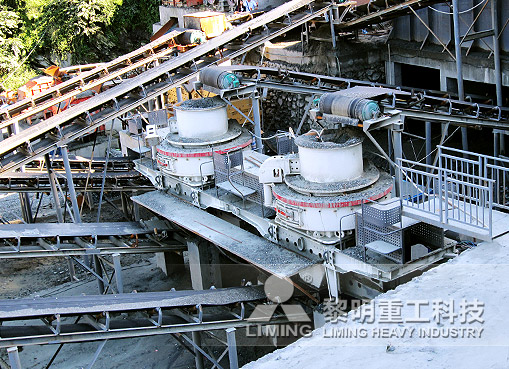
Feeders control the rate of rock entering primary crushers, and choosing the wrong type causes surging, blockages or premature wear. Vibrating feeders suit medium, free-flowing material while apron feeders handle heavy, large, sticky blocky ore.
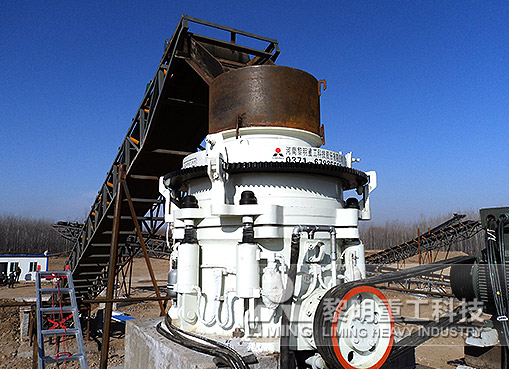
Demolition sites generate huge volumes of concrete and brick rubble. Hauling waste to landfills costs transport fees and landfill taxes, while usable aggregate inside the rubble goes to waste.Recycled aggregate from demolition waste has unique d
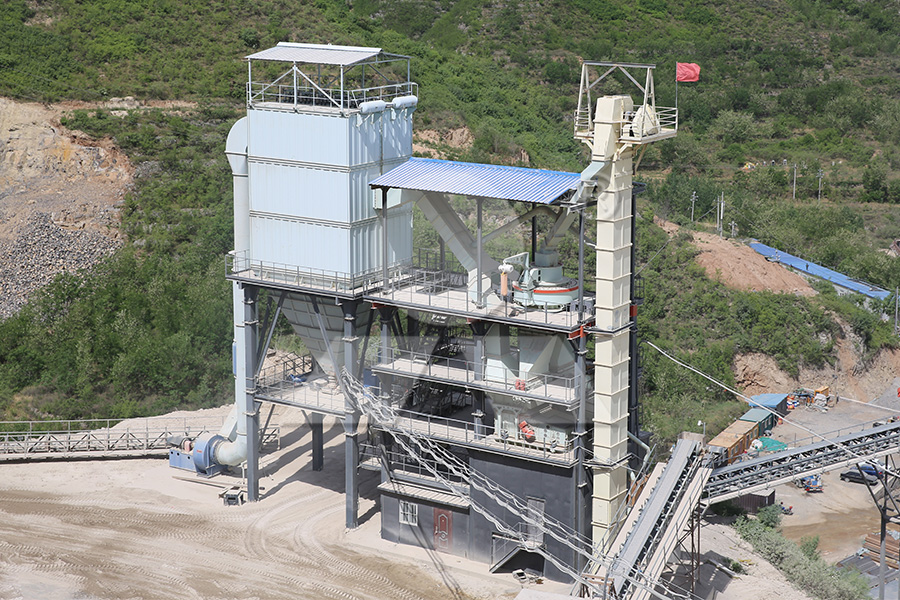
Open-circuit crushing sends material forward once it leaves the crusher, letting undersize and oversize products move downstream together. Closed-circuit systems return oversize particles back to the crusher for reprocessing.Without closed-circu
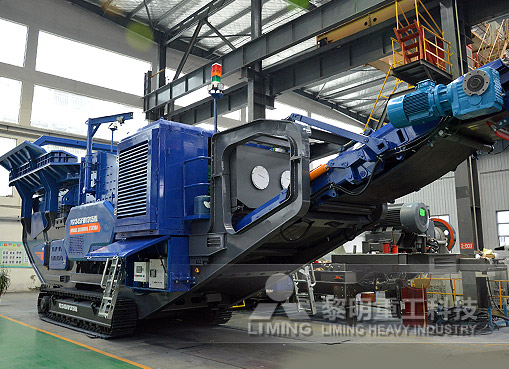
Misaligned conveyor belts are one of the most frequent hidden bottlenecks in crushing plants. A wandering belt spills material, wears edges rapidly and can trigger emergency stops that halt the whole production line.Tracking issues often stem fr
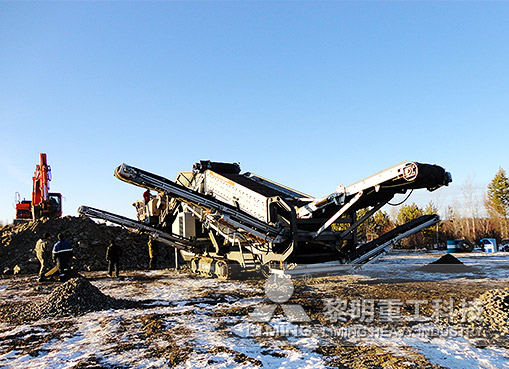
Basalt is widely valued for asphalt surface courses because of its high polishing resistance and skid resistance. Yet its dense, abrasive nature accelerates hammer, jaw and cone liner wear and demands careful crushing setup.Simple impact crushin
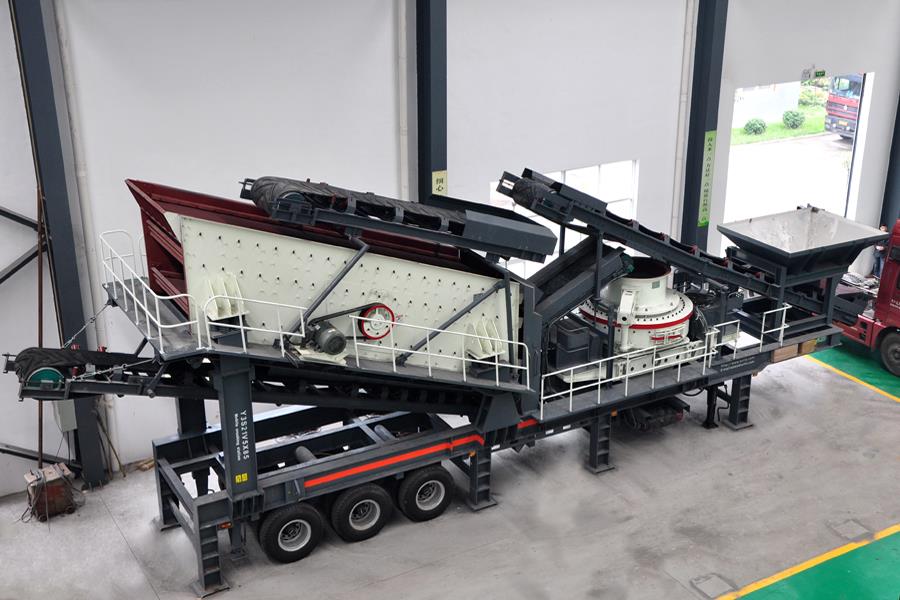
Dry-process manufactured sand systems produce finished sand without large washing tanks or settling ponds. They rely on air classifiers to separate stone powder and control fines content, unlike wet sand plants that use water for mud removal.Dry
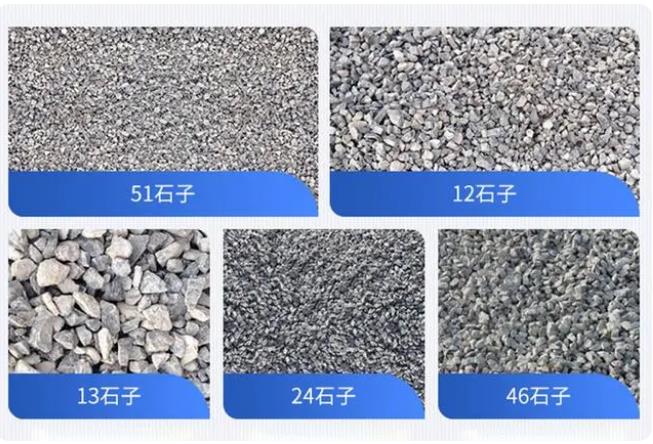
Cone crusher liners are not just wear parts; their geometric profile directly shapes the final stone particle form. Many quarry operators only replace worn liners with generic models, unaware that mismatched cavity curves produce more flat and elongate
